
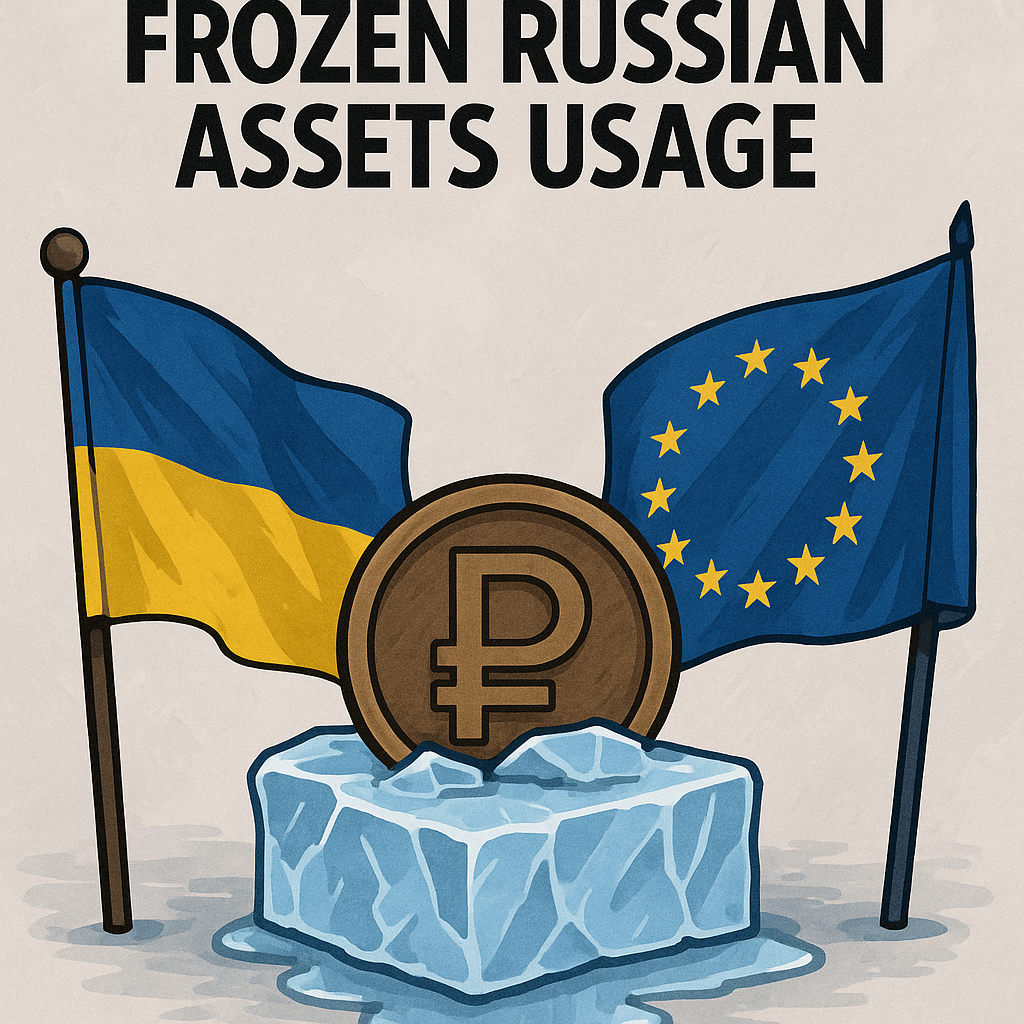
Ukraine and EU Clash Over Frozen Russian Assets Usage

Ukraine and EU Clash Over Frozen Russian Assets Usage
The ongoing conflict in Ukraine has led to significant geopolitical tensions, particularly surrounding the handling of frozen Russian assets by European Union (EU) nations. As the war continues and the need for military and humanitarian support escalates, the debate about utilizing these assets for recovery efforts has intensified.

The Dispute: Ukraine’s Perspective
Ukraine has been vocal about its desire to access the billions in frozen Russian assets held by EU member states. The Ukrainian government argues that these funds should be redirected to aid their ongoing war effort and aid in the rebuilding of the nation. President Volodymyr Zelenskyy has stated that using these assets is not just a matter of financial support; it’s a moral obligation to hold Russia accountable for the destruction caused by its aggression.


Ukrainian officials emphasize that this approach would not only help in immediate military needs but also signal to the international community that aggressors cannot act without facing consequences. Several senior Ukrainian officials have been quoted expressing frustration over delays in the process, stressing that this money could significantly contribute to bolstering the Ukrainian defense and supporting displaced civilians.


EU’s Position: Legal and Ethical Considerations
On the other side, the European Union is navigating complex legal and ethical waters regarding the use of frozen assets. The primary concern among EU officials is the legal framework governing the handling of these funds. Several EU member states are wary of the potential repercussions of using frozen assets for purposes other than their original intent. Business law experts within the EU point out that repurposing these assets could lead to legal challenges that may paint the EU as acting disproportionately.
Moreover, there are concerns about setting a precedent. If the EU uses Russian assets to fund Ukraine’s recovery, it could open the door for claims against other countries based on previous conflicts, potentially undermining international law norms. Thus, EU leaders are caught between the urgent humanitarian needs of Ukraine and the long-term implications of their decisions.
Diverging Views on Accountability
While Ukraine insists on leveraging these assets, some EU officials are increasingly cautious. They’ve raised voices suggesting that using these funds specifically for military procurement could blur the lines of accountability. Proponents of this view argue that a more comprehensive approach, focusing on rebuilding infrastructure and humanitarian aid, would demonstrate a commitment to justice without compromising legal integrity.
Recent discussions within EU circles reflect this complexity; while many member states express solidarity with Ukraine, they also advocate for a diplomatic approach that can navigate the risks of legal backlash. The call for a measured response is echoed across various platforms, emphasizing sustainable solutions that refrain from escalating legal disputes.
The Broader Implications
The clash between Ukraine and the EU regarding frozen Russian assets goes beyond mere finances. It represents a microcosm of the larger challenges faced by international governance in times of crisis. The international community is watching closely as shifting alliances and emerging sentiments could redefine future approaches to conflict resolution and humanitarian aid.
– Timeline of Events:
– Russia launched its invasion of Ukraine in February 2022.
– Following the invasion, the EU froze assets belonging to Russian oligarchs and corporations.
– Ukrainian leaders have since campaigned for the use of these funds to aid in military and civil recovery efforts.
Conclusion: Seeking a Balanced Path Forward
The debate surrounding frozen Russian assets illustrates deep ethical and legal implications that require careful navigation. As Ukraine seeks immediate assistance to bolster its defenses and rebuild, the EU is tasked with balancing these urgent needs against a backdrop of legal accountability and international norms. The dialogue continuing on this issue will likely shape not only the course of the war in Ukraine but also future international responses to conflicts worldwide.
In the quest for a solution, it is essential to foster dialogue that respects the legitimate concerns raised by all sides. Achieving a consensus will require innovative thinking and perhaps a multi-faceted approach that can satisfy both the urgency of humanitarian aid while safeguarding the legal frameworks that govern international relations.















