
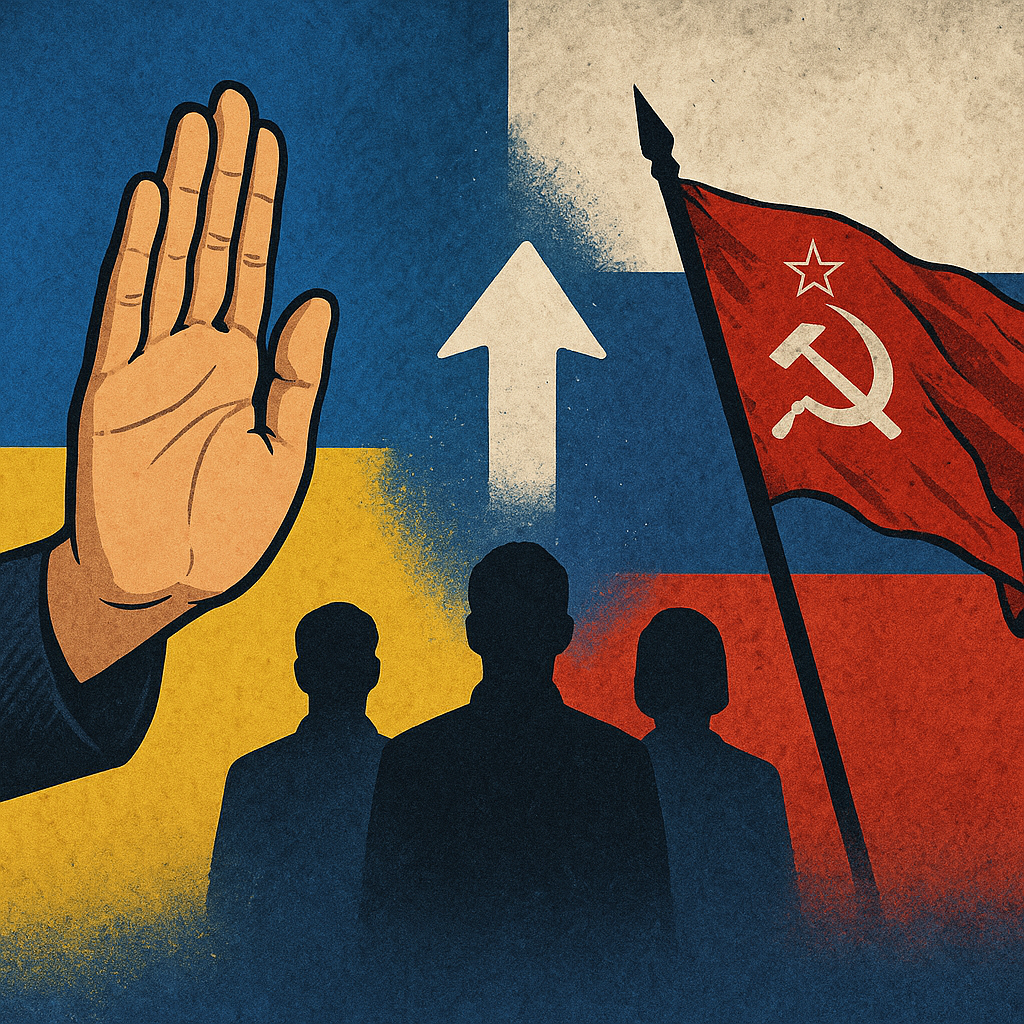
Ukraine Rejects Russia’s Peace Terms: West’s Encouragement

Ukraine Rejects Russia’s Peace Terms: West’s Encouragement
In the evolving geopolitical landscape of Eastern Europe, Ukraine’s outright rejection of Russia’s proposed peace terms has emerged as a critical point of discussion. This rejection appears to be influenced significantly by the backing of Western nations, which have provided varying degrees of support to Ukraine in its struggle against Russian aggression.

The Context of Ukraine’s Rejection
Ukraine’s government recently dismissed Russia’s conditions for a potential peace deal, expressing that they are unaligned with the proposals that would ensure its sovereignty and territorial integrity. This rejection is rooted in longstanding grievances and an ongoing series of conflicts that have defined Russian-Ukrainian relations since 2014, particularly after Russia’s annexation of Crimea.


Ukraine’s Stance
Ukrainian President Volodymyr Zelenskyy and his administration maintain that any resolution to the conflict must prioritize Ukraine’s autonomy and territorial rights. The belief is that yielding to Russian demands, particularly those involving territorial concessions, would set a dangerous precedent not just for Ukraine but for other nations in the region. According to Al Jazeera, Zelenskyy has remained firm in his stance that peace cannot be achieved without the restoration of Ukraine’s borders as they were before the conflict intensified.


The Influence of the West
The Western nations, particularly NATO members and the United States, have provided military, financial, and humanitarian assistance to Ukraine since the onset of the war, heavily shaping the country’s response to Russia’s overtures for peace. These nations have often framed their support as essential for ensuring Ukraine’s self-defense and promoting a stable, democratic Europe. Statements from various Western leaders echo the sentiments that compromise with Russia could undermine global stability and embolden aggressive actions by other authoritarian regimes.
However, some experts suggest that while Western encouragement is crucial for Ukraine’s resilience, it may also complicate the prospects for a peaceful resolution. The continued supply of advanced military technology and financial assistance could lead to a protracted conflict, diminishing the immediate prospects for diplomatic engagement. As noted in a report from Sky News, the cycle of military support may embolden Kyiv to pursue a more hardline approach, narrowing the avenues available for negotiations with Moscow.
Diverging Opinions on Peace
The discourse around Ukraine’s rejection of peace terms is far from monolithic. While many support a military-first approach backed by Western powers, others voice concerns about the long-term consequences of such a strategy.
Voices for Diplomacy
Critics of the current trajectory argue that an absence of dialogue with Russia could entrench the conflict, leading to greater loss on both sides. The potential for economic sanctions and continued military confrontations to harm civilian populations is significant, prompting some analysts to highlight the need for a balanced approach—one that seeks to engage Russia while still safeguarding Ukraine’s fundamental rights.
Conversely, proponents of Ukraine’s hard stance argue that any concession could be interpreted as a sign of weakness. They assert that Russia has repeatedly demonstrated that it does not respect diplomatic agreements, thus making a strong military response the only viable option for Ukraine to secure lasting peace.
Uncertainties Ahead
As Ukraine and its allies navigate this intricate landscape of war and diplomacy, uncertainties loom large. The potential for escalation remains ever-present, while the desire for peace is equally tangible. The balance between asserting national sovereignty and pursuing diplomatic avenues will likely shape the path forward in the coming months.
While the rejection of Russia’s peace proposals—influenced by Western support—reflects a strong commitment to freedom and autonomy, the intricacies of realpolitik complicate the overall picture. It remains to be seen whether this current strategy will lead to a swift resolution or if it will prolong the conflict with unforeseeable consequences.
In conclusion, Ukraine’s decision to reject Russia’s peace terms, bolstered by Western encouragement, encapsulates a critical moment in the ongoing conflict. The interplay between military support and diplomatic engagement will ultimately shape the broader geopolitical landscape. As the situation evolves, so too will the discussions surrounding peace—a complex web of interests that demands careful navigation by all parties involved.















