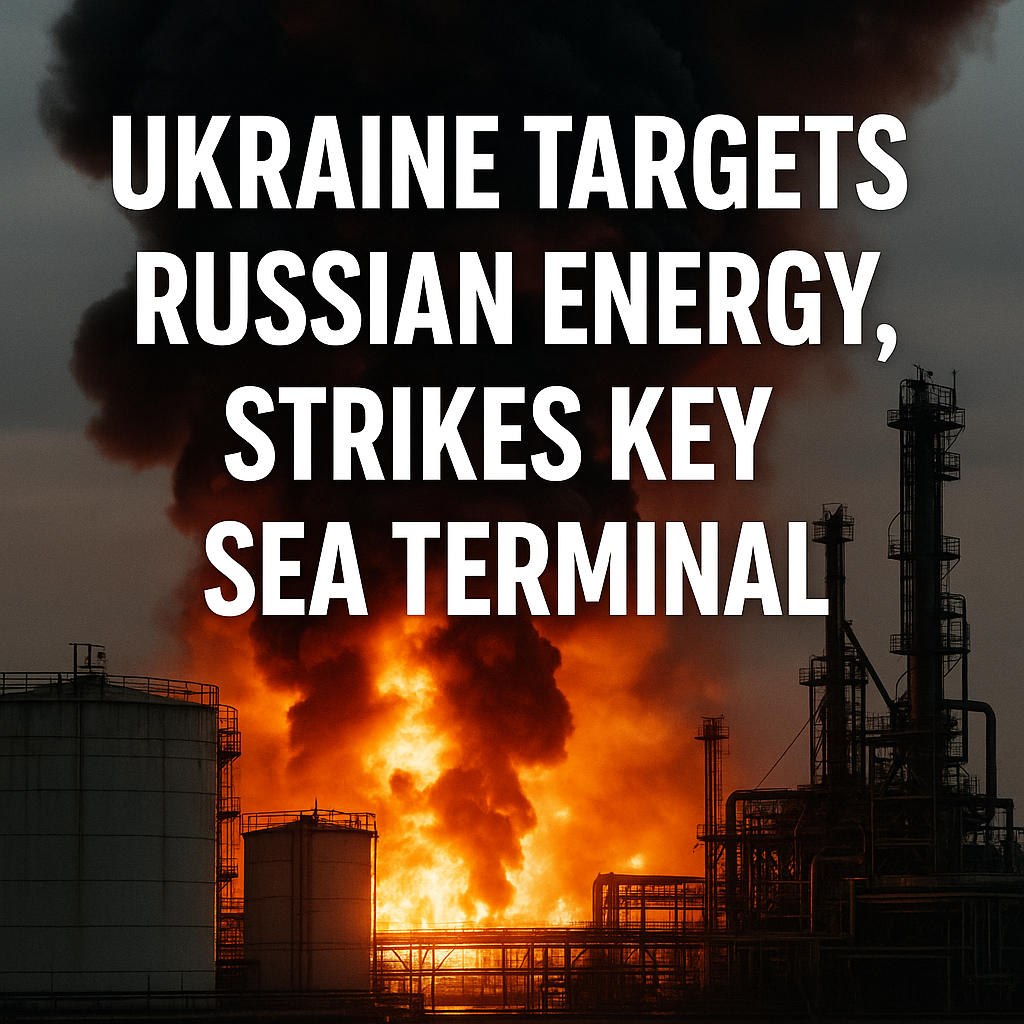
Ukraine Targets Russian Energy, Strikes Key Sea Terminal

Ukraine Targets Russian Energy: Striking a Key Sea Terminal
In recent developments of the ongoing conflict, Ukraine has escalated its offensive by targeting Russian energy infrastructure, notably through a calculated assault on a strategic sea terminal. This move signals a significant shift in Ukraine’s military strategy, as it aims to disrupt Russia’s energy supply and cripple its economic stability.

The Significance of the Sea Terminal Strike
The targeted sea terminal, crucial for transporting oil and gas, underscores the heightened stakes involved in the war. Analysts suggest that Ukraine’s decision to attack Russian energy assets may serve multiple purposes: degrading Russia’s military operations, rallying domestic support, and gaining leverage in any potential negotiations.


Reports indicate that the strike resulted in substantial damage, but the specifics remain somewhat murky due to the ongoing conflict. Official statements from both Ukrainian and Russian sources reveal contrasting narratives about the extent and impact of the damages. Ukrainian officials assert that the operation successfully disrupted Russian energy logistics, while Russian authorities downplay the attack’s significance, maintaining that their energy operations remain unaffected.


Diverse Perspectives on the Offensive
From a broader viewpoint, experts highlight the complex implications of Ukraine’s renewed focus on Russian energy targets. Some military analysts praise Ukraine for adopting a proactive approach, arguing that attacks on energy infrastructure can undermine Russian morale and disrupt funding for military campaigns. “Striking at the heart of Russia’s energy industry not only diminishes their resources but also sends a powerful message,” noted a defense strategist in an article on Al Jazeera.
However, there are dissenting opinions, particularly regarding the potential escalation of conflict. Critics caution that such aggressive tactics might provoke a stronger military response from Russia, risking further escalation. Russian state media read any such attacks as provocations that justify retaliation, suggesting that Ukraine is playing a dangerous game that could destabilize the region even further.
Addressing Potential Backlash
Ukrainian leaders, while asserting their right to defend the nation, are also aware of the potential repercussions of targeting energy infrastructure. The key concerns revolve around civilian safety and international diplomatic relationships. The strike could attract criticism from global leaders advocating for restraint and peace talks.
In recent statements, Ukrainian officials have attempted to frame their military actions as part of a broader strategy aimed at self-defense. They argue that the disruption of energy supplies not only impacts Russia’s warfare capabilities but also serves to protect Ukrainian sovereignty. The interplay of military necessity and political strategy is evident as Ukraine navigates this fraught landscape.
The Global Energy Landscape’s Ripple Effects
The focus on Russian energy infrastructure has broader implications for global energy markets as well. Any significant disruption in Russian energy supplies can ripple through global oil and gas prices, affecting countries dependent on these resources. Experts forecast that emerging market economies could face heightened energy prices, leading to increased inflationary pressures.
This scenario prompts a discussion on the viability of alternative energy sources and the urgency for countries to diversify their energy portfolios. Nations originally reliant on Russian gas may need to expedite their transition towards renewable energy or seek alternative suppliers—shifts that could reshape future energy dynamics.
Conclusion: A Complex Web of Consequences
As Ukraine continues to position itself against Russian energy operations, the implications span far beyond the immediate battlefield. While the strategy may disrupt Russia’s military supply chains, it raises questions about the potential costs of escalation and global energy stability. The complexities of the conflict demand a nuanced understanding, one that considers not only the immediate military objectives but also the broader geopolitical ramifications at play.
In this light, future actions from both Ukraine and Russia hold the potential to reshape the ongoing conflict and the energy landscape, illuminating the multifaceted nature of modern warfare in a world that is increasingly interconnected.