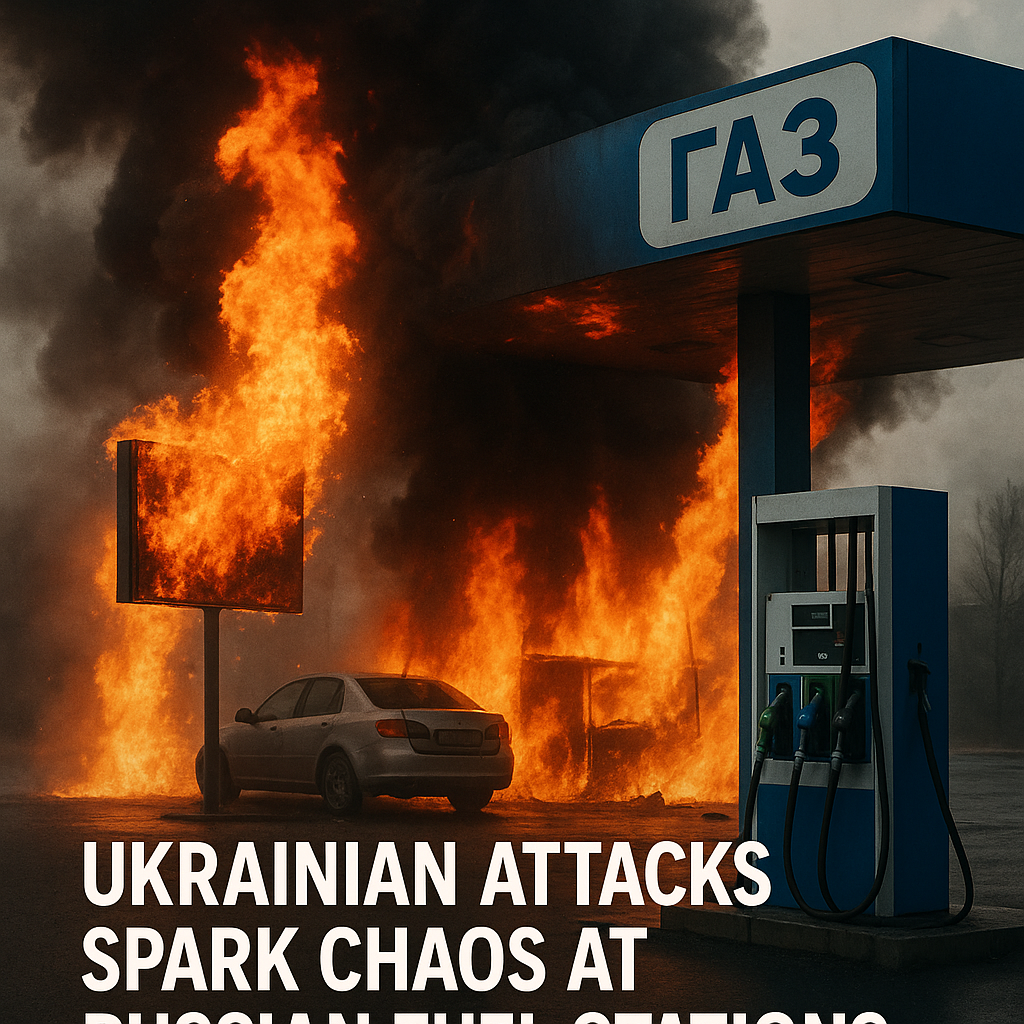
Ukrainian Attacks Spark Chaos at Russian Fuel Stations

Ukrainian Attacks Spark Chaos at Russian Fuel Stations
Recent Ukrainian attacks have ignited significant turmoil at fuel stations throughout Russia, a development that raises questions about the ongoing conflict and its impacts on civilian life. These incidents have led to chaos and panic as citizens grapple with disruptions to their everyday routines.

The Unfolding Situation
Reports indicate that a series of strategic strikes have targeted fuel supply depots and infrastructure, crippling operations across various regions in Russia. Al Jazeera details how these assaults have not only damaged physical assets but have also instigated widespread fear among the populace. Gas stations are experiencing long lines as residents rush to fill their tanks, uncertain of future fuel availability.


In response, the Russian government has implemented various measures to stabilize the situation. Local officials are assuring citizens that efforts are underway to manage supplies, while some regions even report rationing to mitigate shortages. However, these reassurances have not calmed the apprehension among the citizens, as many perceive these attacks as a direct challenge to Russian sovereignty.


Diverging Perspectives on the Conflict
As the situation continues to evolve, different media outlets offer nuanced perspectives on the implications of these attacks. RT, a state-funded Russian news organization, emphasizes that such operations severely disrupt national security and pose a threat to ordinary citizens’ daily lives. Their coverage frames these acts as provocative aggression from Ukraine, intended to escalate tensions further.
Conversely, reports from Al Jazeera take a more analytical approach, highlighting the strategic motivations behind Ukraine’s assaults. Experts argue that targeting fuel infrastructure is aimed at debilitating Russia’s military logistics. This reflects a calculated move to combat ongoing military actions in the region, indicative of broader military strategies employed by Ukraine in its efforts to reclaim territory and assert independence.
Public Reaction and Implications
Public sentiment in Russia is marked by a blend of fear and frustration. With the backdrop of these fuel attacks, many citizens are questioning the effectiveness of their government’s response to the conflict. Sky News provides insights into escalating anxieties regarding future energy security and economic stability in Russia, pointing out that the attacks not only affect fuel supply but also have broader implications for the economy.
As chaos ensues at fuel stations, discontent among the Russian populace may lend itself to burgeoning dissent against the government’s handling of the war and its consequences. This may sow seeds for amplified civil unrest as more citizens confront the direct impacts of military endeavors on their daily lives.
A Broader Context
The ripple effects of these attacks extend beyond immediate fuel supply issues. Energy dependence in the region remains a central theme, with many experts warning that continued escalations could OBstruct any pathways toward peace. The frequency of attacks raises a critical question: are both nations edging closer toward an intractable conflict, or is there a potential for dialogue that addresses underlying grievances?
The lack of a clear resolution leads to further uncertainty. Observers must weigh the potential for heightened military confrontation against the possibility of negotiations aimed at de-escalation. Currently, the situation is characterized by a delicate balance of power, where both sides remain steadfast in their respective positions.
Conclusion
In summary, Ukrainian attacks have resulted in disruptive chaos at Russian fuel stations, emphasizing the direct consequences of the ongoing conflict. As perspectives diverge on the motivations and impacts of these actions, the populace on both sides continues to navigate an increasingly volatile situation. The path forward remains uncertain, filled with both potential for further conflict and hope for resolution. Regardless of the outcome, it is clear that the ramifications of this conflict will continue to reverberate through civilian life, fueling both fear and resilience among those caught in its crossfire.