Uncertainty for Iranians Amid US War: A Struggle to Survive

Uncertainty for Iranians Amid US War: A Struggle to Survive
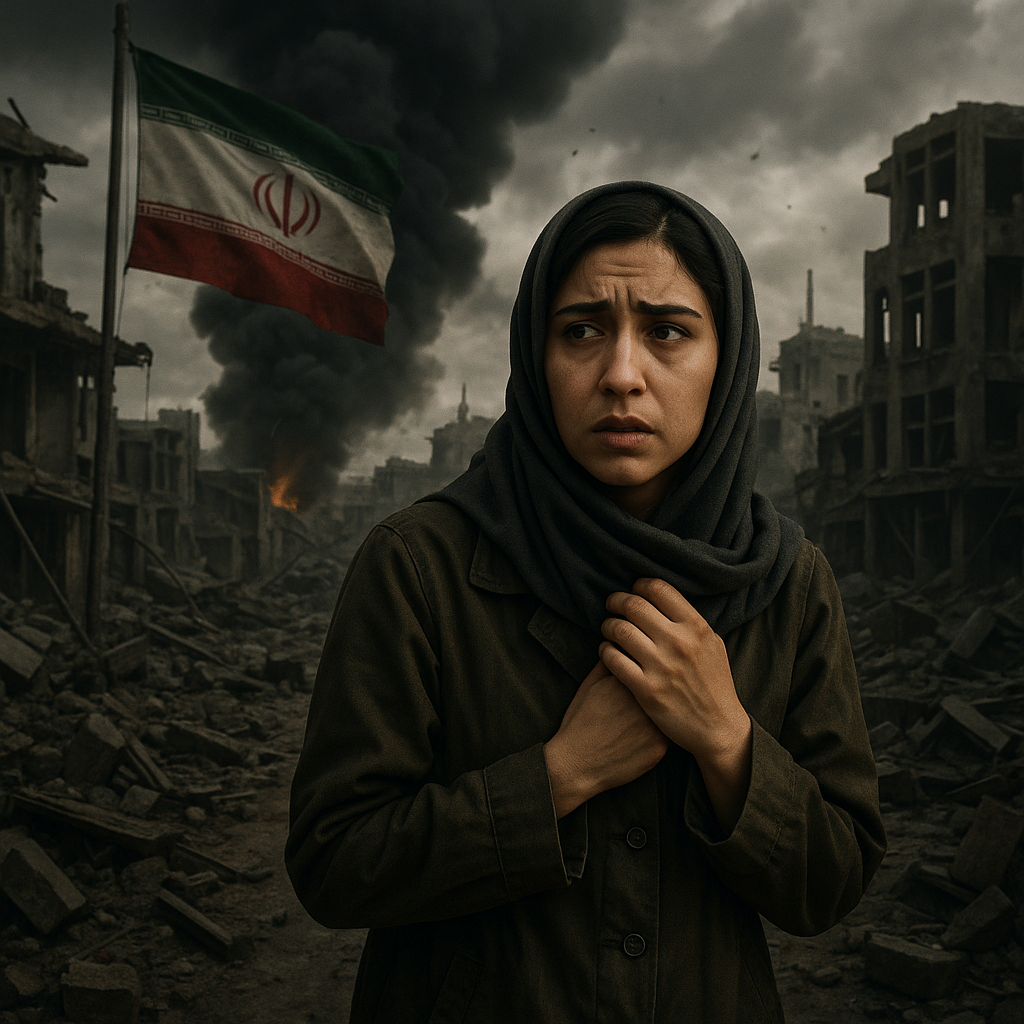
In the backdrop of increasing geopolitical tensions and military engagements involving the United States, uncertainty prevails in Iran, where citizens grapple daily with the repercussions of war. This situation exacerbates an already complex economic landscape and a societal fabric strained by years of sanctions and internal discontent.

The Economic Fallout
The economic implications of U.S. military actions in the Middle East directly affect the Iranian populace. Reports indicate that soaring inflation and dwindling public services have made basic survival increasingly precarious for many citizens. According to analyses from multiple reputable sources, the Iranian economy has become largely stagnant, marked by high unemployment rates and a currency experiencing drastic devaluation.


– Rising Prices: With military conflict often disrupting supply chains, essential goods become more expensive. Everyday items—ranging from food staples to household necessities—can see drastic price hikes linked directly to foreign military interventions.


– Access to Jobs: The instability created by conflicts limits foreign investments, which could have fostered job creation. Local entrepreneurs find themselves stifled under economic pressures, leading to further job losses and contributing to a pervasive sense of hopelessness.
The Social Landscape: Struggles and Resilience
While the economic strain is evident, the social fabric of Iranian life reflects an equally profound struggle against the weight of uncertainty. Many Iranians find themselves navigating a society where mistrust in government institutions runs deep. Critiques of the government’s handling of both the economy and foreign relations have intensified.
– Public Sentiment: A pervasive sense of victimhood has emerged among the populace, who often feel caught in the crossfire of international politics. As one observer noted, “Iranians are tired of being pawns in a larger game.” This sentiment resonates in public discourse, highlighting frustrations over the lack of agency in determining their future.
– Everyday Life Under Pressure: Despite these challenges, there are narratives of resilience. Many Iranians capitalize on their resources, finding innovative ways to meet daily needs. From bartering goods to forming community groups aimed at communal aid, citizens are actively seeking ways to counterbalance their struggles.
Incorporating diverse experiences, reports highlight that these coping mechanisms not only showcase the ingenuity of the Iranian people but also reflect their enduring spirit in the face of severe adversity.
The Role of International Perspectives
The international community is increasingly aware of the humanitarian fallout resulting from ongoing military conflicts. Various human rights organizations have advocated for a nuanced understanding of the plight faced by Iranians, emphasizing that their experiences deserve acknowledgment beyond geopolitical maneuvering.
However, contrasting viewpoints abound regarding the efficacy and morality of military actions. On one hand, some argue that such interventions are necessary for regional stability; on the other, critics emphasize that military solutions often exacerbate the very issues they aim to resolve. This dichotomy underscores the complexities involved in international relations and humanitarian considerations.
As actions in the geopolitical arena unfold, Iranians find themselves in a complex web of uncertainty that impacts their economic realities and personal lives. Human rights concerns and public sentiment continue to interlink, painting a broader picture of daily struggles.
Navigating the Future: Hope Amidst Adversity
Despite the dire circumstances, glimpses of hope persist. Many grassroots organizations within Iran are beginning to gain traction, seeking to address local issues, promote education, and foster a sense of community resilience. The energy of youth, coupled with relentless activism, suggests a generational shift that may challenge existing norms.
While the future remains uncertain, what remains essential is the acknowledgment of these struggles and the commitment to fostering dialogue around them. The bridging of voices from the international community with those of everyday Iranians can pave the way for more informed and empathetic approaches to policy and humanitarian aid.
Conclusion
The interplay between war, international politics, and the daily realities of life in Iran is complex and fraught with challenges. Nevertheless, through solidarity and innovative community solutions, Iranians continue their fight for survival, carving a path toward resilience amid uncertainty. The road ahead is undoubtedly fraught with adversity, yet the indomitable spirit of the Iranian people lights the way toward potential change.