
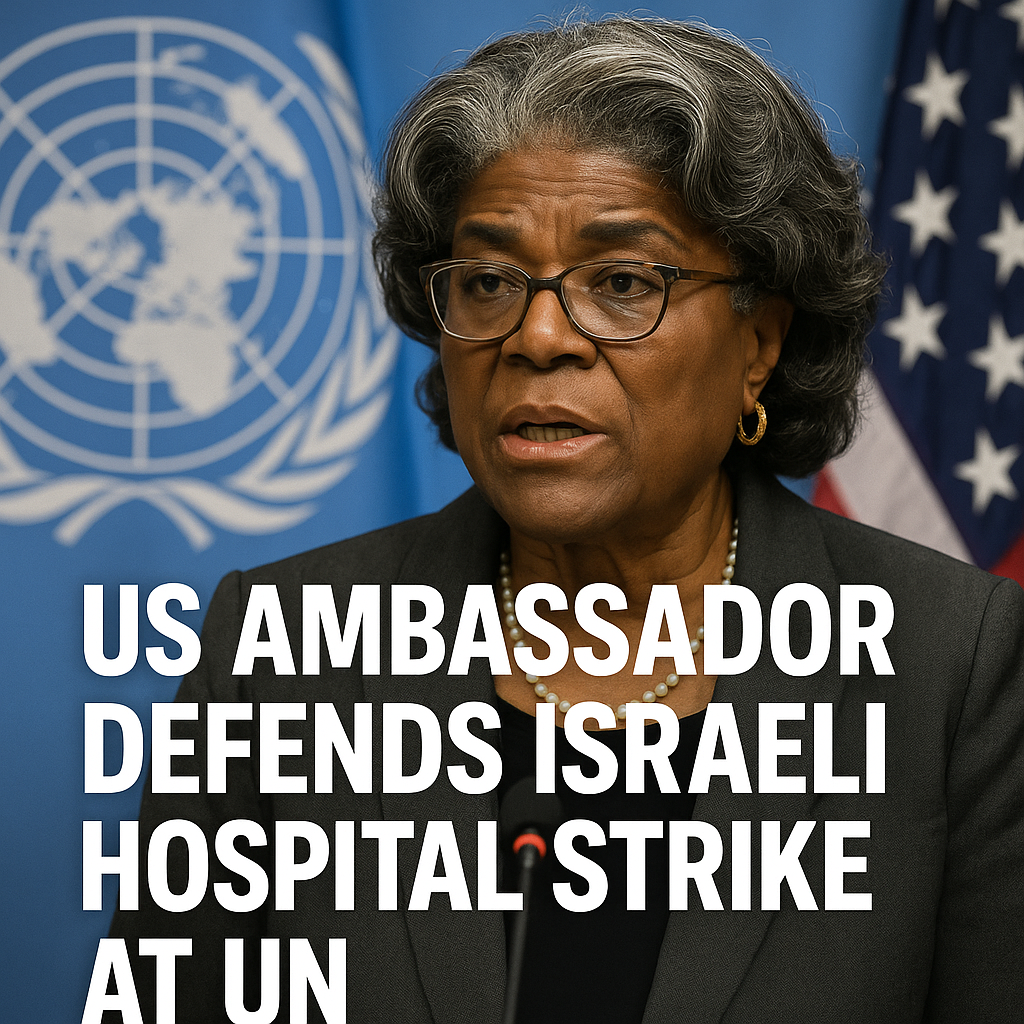
US Ambassador Defends Israeli Hospital Strike at UN

US Ambassador Defends Israeli Hospital Strike at UN: A Complex Debate
The recent strike on a hospital in Gaza has sparked intense debate and condemnation, leading to a prominent defense by the US Ambassador at the UN. As the situation in the region remains precarious, this incident highlights not only the turmoil in Gaza but also the diverging perspectives surrounding the conflict.

Diverse Reactions and Context
The hospital strike has been met with outrage on multiple fronts. Reports from varied sources detail the tragic loss of civilian life and the humanitarian crisis escalating in Gaza. According to Al Jazeera, the incident has led to numerous casualties, igniting protests and calls for accountability regarding military actions in densely populated areas. The emotional and political ramifications of such strikes extend beyond immediate casualties, altering public sentiment and international diplomacy.


In stark contrast, the US Ambassador to the United Nations defended Israel’s actions, arguing that the strike was a necessary response to ongoing rocket attacks by Hamas. Notably, she claimed that such actions are in line with Israel’s right to self-defense. According to reports from RT, the ambassador emphasized the importance of distinguishing between armed militants and innocent civilians, suggesting that Hamas bears responsibility for the suffering of civilians by using them as “human shields.”


Balancing Civilians and Strategic Military Action
While the US perspective stresses the complexities surrounding military operations in conflict zones, critics argue that the loss of civilian life is unacceptable. The Al Jazeera coverage noted that hospitals and civilian sites should never become targets, voicing a poignant concern that strikes like these violate international law, which seeks to protect non-combatants during wartime.
Public opinion reflects this schism. Many advocate for an immediate ceasefire, fearing that continued military operations will exacerbate humanitarian crises and destabilize the region further. Conversely, supporters of Israel’s stance assert that decisive action is necessary for national security and deterring future attacks from militant groups.
Diplomatic Implications
This incident comes at a time when the geopolitical landscape is increasingly fraught. The US, as a staunch ally of Israel, faces mounting pressure from various international bodies and human rights organizations. The UN’s reaction has been one of outrage, with several member states condemning the hospital strike as an escalation of violence. Some argue that the US’s unwavering support for Israel complicates diplomatic efforts aimed at fostering peace and stability.
Moreover, the humanitarian concerns surrounding the strike underscore the need for a balanced approach to foreign policy in the region. Critics of the US’s stance argue that without addressing civilian casualties, the US could be seen as complicit in actions that worsen human suffering.
The Path Forward: An Urgent Call for Dialogue
In light of these developments, the call for dialogue is more urgent than ever. Both sides of the debate recognize the need for peace, albeit through different approaches. Advocates for Palestinian rights emphasize the necessity of accountability for strikes that harm civilians, while those supporting Israel highlight the existential threats posed by militant actions.
For lasting peace in the region, a comprehensive understanding of the multifaceted issues at play is essential. The arguments presented by various stakeholders indicate that arriving at a solution requires patience, empathy, and an acknowledgment of the humanity on all sides of the conflict.
As discussions continue at the UN and beyond, the tragic strike on the Gaza hospital serves as a reminder of the high human cost of war and the pressing need for a balanced perspective that considers the complexities of self-defense versus humanitarian obligations. This situation may not yield immediate answers, but it undoubtedly calls for renewed commitments to dialogue and peacebuilding efforts.















