
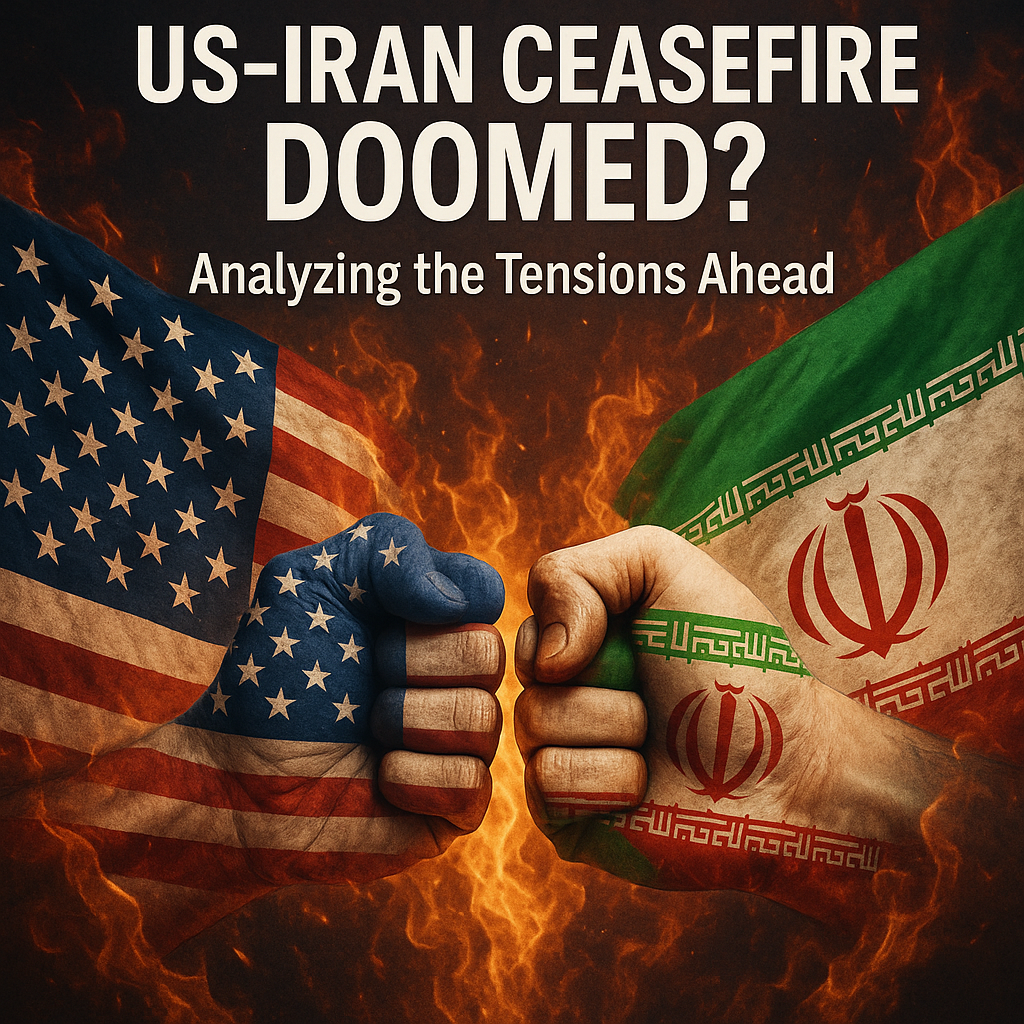
US-Iran Ceasefire Doomed? Analyzing the Tensions Ahead

US-Iran Ceasefire Doomed? Analyzing the Tensions Ahead
The prospect of a lasting ceasefire between the US and Iran often appears tenuous at best. Recent developments in geopolitical tensions have sparked renewed concerns regarding the sustainability of diplomatic efforts aimed at peace. This article delves into diverse viewpoints surrounding this complex issue, examining the challenges and prospects for a genuine ceasefire.

Historical Context of US-Iran Relations
To understand the current tensions, one must consider the historical backdrop. The US-Iran relationship has been marred by decades of animosity, rooted in events such as the 1979 Iranian Revolution and subsequent US sanctions. These roots contribute to a deep-seated mistrust, making any ceasefire particularly delicate.


In recent years, efforts have been made to navigate these turbulent waters. The 2015 Joint Comprehensive Plan of Action (JCPOA) aimed to rein in Iran’s nuclear program in exchange for relief from sanctions. However, the 2018 US withdrawal from the agreement by then-President Trump marked a critical turning point. Following this, escalating rhetoric and military posturing have characterized interactions between both nations.


Shifting Political Landscapes
Recent analyses suggest that as of 2023, several factors complicate the path towards a lasting ceasefire. Al Jazeera reports that strategic alignments in the Middle East are evolving, with Iran strengthening ties with nations such as Russia and China. These evolving alliances create a multipolar dynamic that may embolden Iran to pursue its interests without fear of isolation.
Conversely, as relations deteriorate, some analysts argue that the US has become increasingly isolated in its approach. The complications brought about by the Ukraine conflict have diverted attention and resources, complicating America’s ability to engage effectively in Middle Eastern diplomacy. Experts from RT have pointed to the Biden administration’s focus on countering China and Russia, which limits its options for addressing the Iranian situation.
The Role of Public Sentiment
Public sentiment within both nations further complicates the ceasefire landscape. In the US, increasing polarization surrounding foreign policy has made consensus difficult. Many American citizens express fatigue over prolonged military engagements, driving a desire for diplomatic solutions. Conversely, in Iran, national pride and a history of foreign intervention have fostered a strong sense of resistance against perceived external pressures.
This cultural backdrop lays a challenging foundation for negotiations. On one hand, the US seeks to project strength; on the other, Iran’s leadership is compelled to maintain its national integrity in the face of external demands. Thus, differing national sentiments can stymie potential paths towards peace.
Diverging Perspectives on the Ceasefire’s Viability
Perspectives Favoring a Ceasefire
Proponents of a ceasefire often underscore the urgent need for diplomatic engagement to avert further conflict. Supporters argue that a renewed commitment to dialogue could pave the way for trust-building measures. Al Jazeera’s opinion pieces advocate for a balanced approach, encouraging both nations to come to the negotiating table with clear intentions rather than ultimatums.
Such dialogues could incorporate not just nuclear concerns but also address regional stability, including issues related to proxy conflicts in Yemen and Syria where Iranian influence is significant. Addressing these interconnected problems might provide a comprehensive framework that ensures both parties find common ground.
Skepticism About Success
On the flip side, skeptics caution against placing too much faith in any forthcoming ceasefire agreement. As noted by sources from Sky News, the cycle of almost choreographed escalation between the two powers illustrates that past negotiations have often led to disappointment and heightened tensions rather than stability. They argue that embedded historical grievances make any prolonged ceasefire unlikely, fueling concerns that adversarial postures might prevail.
Without tangible incentives or enforcement mechanisms, these critics assert that a ceasefire would remain a paper agreement, susceptible to violation by either side. The difficulty lies in the differentiation between mere political posturing and genuine interest in lasting resolution.
Conclusion: Navigating Uncertainty
In navigating this intricate web of perspectives surrounding the US-Iran ceasefire, it becomes evident that both sides are deeply entrenched in their positions. The historical baggage weighs heavily on any potential agreement, while current geopolitical winds appear to complicate matters further.
While voices advocating for diplomatic engagement offer a glimmer of hope, skepticism remains prevalent among analysts wary of any commitments leading to real change. As events continue to unfold, the prospects for peace remain uncertain, with the weight of expectations and mistrust shaping the road ahead. The necessity for an informed, sensitive approach to diplomacy becomes paramount in addressing the complexities inherent in US-Iran relations.















