
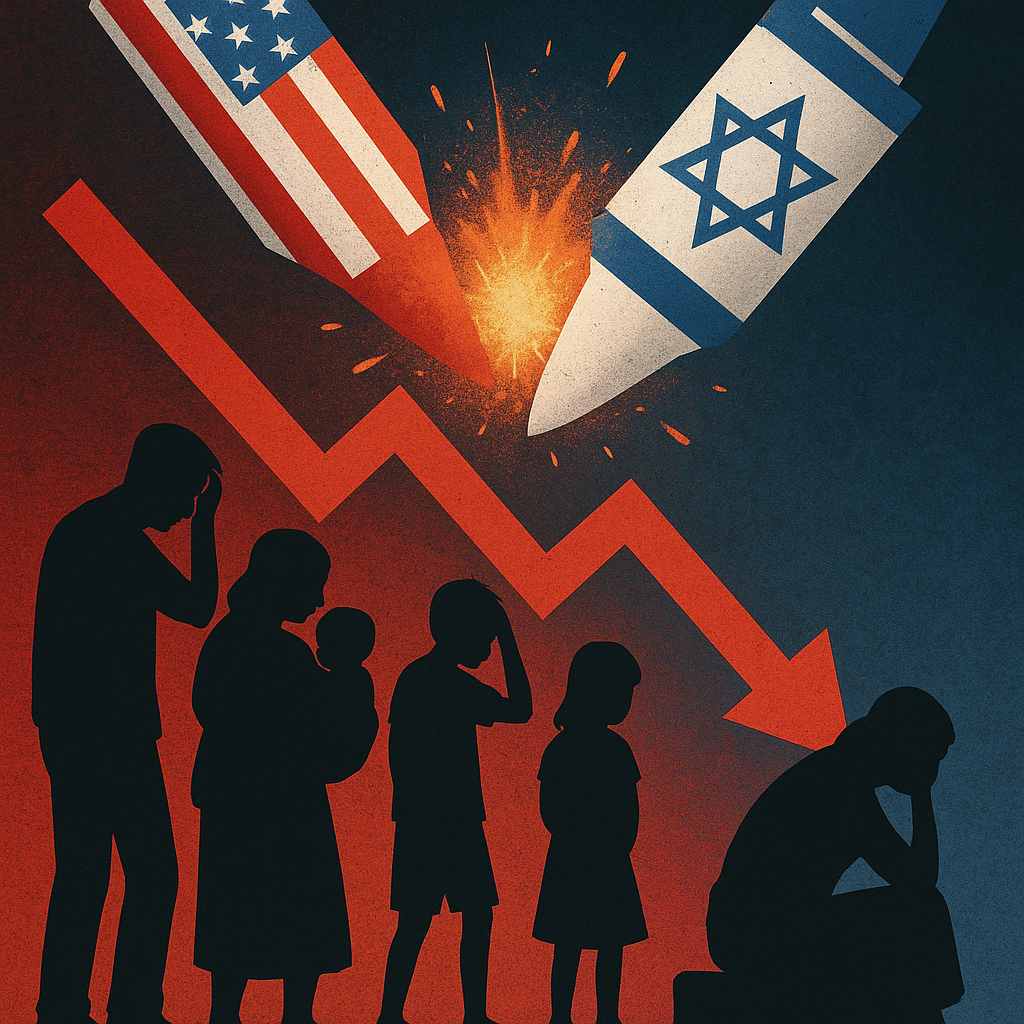
US-Israeli Conflict on Iran Could Drive 32M into Poverty

US-Israeli Conflict on Iran Could Drive 32M into Poverty
The escalating US-Israeli conflict over Iran is poised to create significant economic ripples that could push millions into poverty. Analysts and observers highlight how geopolitical tensions can translate into humanitarian crises, particularly in light of Iran’s economic struggles and its implications for the broader Middle Eastern region.

Economic Strain in Iran
The Iranian economy is already experiencing significant strain. Sanctions imposed by the US and its allies have exacerbated various economic challenges, including high inflation rates, unemployment, and currency devaluation. According to a recent report by the United Nations, should the conflict with Israel escalate, it could lead to a compounded economic crisis for Iran, further pushing the population into poverty. Notably, the UN estimates that approximately 32 million Iranians could be affected, highlighting the dire consequences of an intensifying geopolitical conflict.


The economic situation in Iran has been increasingly precarious. Factors such as mismanagement, corruption, and political isolation contributed to the vulnerability of the economy long before the latest tensions with Israel. Economic analyst Dr. Sarah Azizi discusses that “the compounded effects of sanctions and military threats not only hinder Iran’s ability to recover but also worsen the living conditions for its citizens.”


Perspectives on Conflict and Economic Consequences
Different perspectives on the conflict reveal a range of consequences that could arise from the US-Israeli stance against Iran. Many commentators stress that while military strategy might focus on deterrence, it is the civilian population that bears the brunt of conflict-related economic fallout. On one hand, some reports highlight the strategic necessity of countering Iran, arguing that a robust stance from Israel and its allies is crucial to regional stability. Conversely, there are significant voices that argue military solutions only pave the way for humanitarian disasters.
A report from Al Jazeera indicates that “the potential for military escalation poses a serious threat not only to the geopolitical landscape but also to the everyday lives of ordinary Iranians.” This sentiment underscores the complexity of the situation, where defensive strategies can lead to unavoidable humanitarian crises.
Conversely, proponents of military action argue that the alternative—allowing Iran to expand its influence unchecked—could also lead to regional instability, presenting an even more significant threat to neighboring countries, including Israel. They maintain that economic sanctions, while painful, are a necessary tool that can bring Iran to the negotiating table.
The Humanitarian Costs of Militaristic Strategies
The potential for military confrontation has raised severe humanitarian concerns. Numerous NGOs and humanitarian organizations have voiced their worries regarding the impact of the US-Israeli action on the Iranian populace. “It’s essential to consider that military engagements often result in collateral damage,” emphasizes humanitarian advocate Mohammad Reza.
The UN’s report makes it clear that if military operations escalate, the primary victims could include not only Iranians but also the wider population in the Middle East. As resources become scarcer, access to basic needs such as food and clean water may diminish, exacerbating poverty levels significantly not just within Iran’s borders but also in neighboring countries.
As tensions rise, the potential for humanitarian crises echoes beyond the battlefield. Economic analysts highlight that the conflict may trigger mass migrations, exacerbating poverty across the region. Refugees seeking safety and stability could strain the resources of already vulnerable countries, leading to a wider regional crisis.
Weighing Solutions: Diplomacy vs. Military Action
Amid these escalating tensions, the discourse around the best course of action remains critical. A balanced approach that upholds security while prioritizing humanitarian needs appears to be increasingly vital. The notion that diplomacy could avert catastrophe is echoed by various analysts.
Analyst Rami El-Houhou suggests that a “diplomatic solution could beneficially refract military ambitions, allowing both sides to navigate their security concerns without plunging millions into poverty.” Similarly, organizations advocating for peaceful resolutions underscore the need for dialogue and cooperation rather than escalation.
However, the complexities surrounding Iran’s role in proxy conflicts—supporting groups in Lebanon, Syria, and Yemen—create trepidation around a purely diplomatic approach. The ongoing argument that military readiness ensures a nation’s security interests complicates the landscape further.
Conclusion: A Call for Cautious Engagement
The US-Israeli conflict over Iran encapsulates a multifaceted issue that carries severe implications for millions of people. The notion that increased military activity could lead to greater humanitarian and economic crises is a sentiment echoed across various sources. While understanding the strategic imperatives of this conflict is crucial, it is equally important to recognize the human costs associated with such decisions.
As the world watches, the pressing need for a balanced perspective that prioritizes diplomatic avenues over military aggression becomes clearer. If leaders strive for a sustainable resolution that considers the well-being of civilian populations, perhaps the looming risk of pushing millions into poverty can be mitigated. Ultimately, the emphasis must be on finding pathways that ensure both regional stability and humanitarian protection.















