
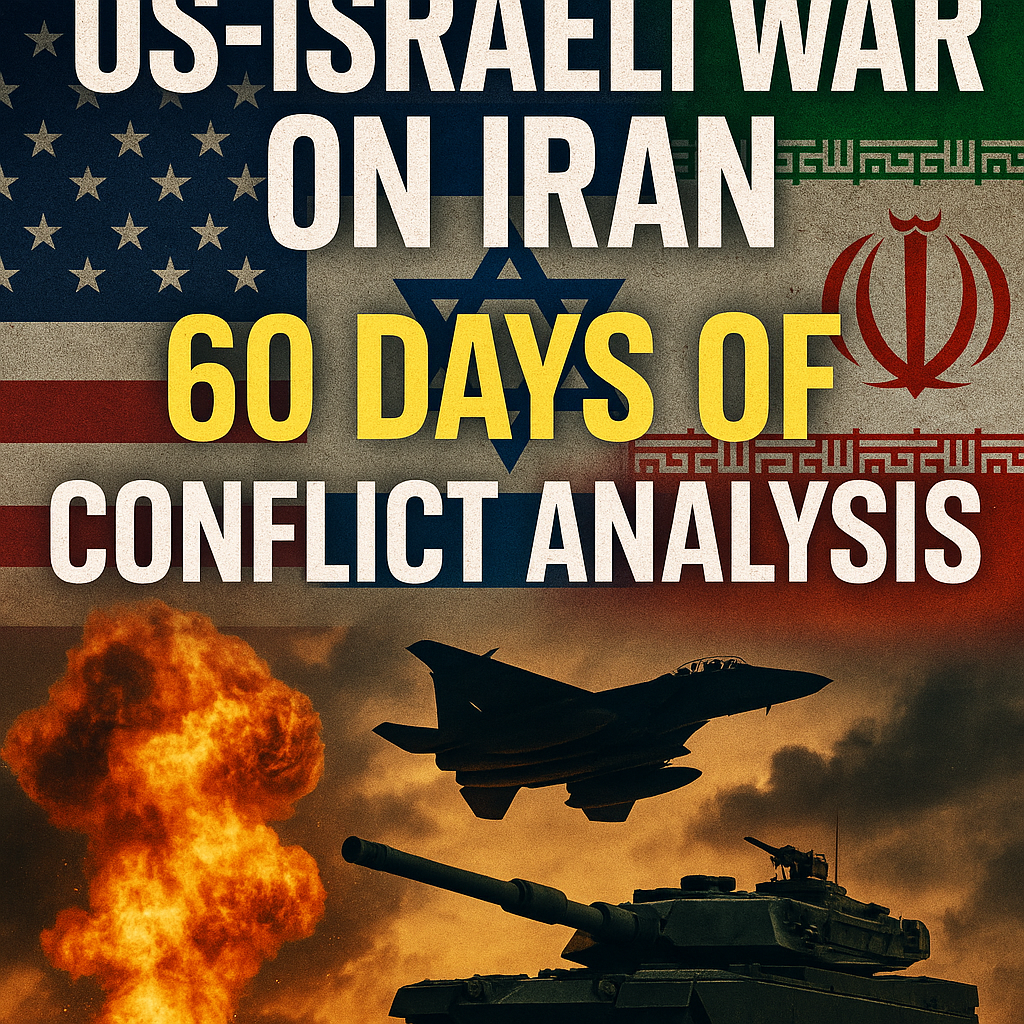
US-Israeli War on Iran: 60 Days of Conflict Analysis

US-Israeli War on Iran: 60 Days of Conflict Analysis
The recent US-Israeli war on Iran has unfolded over the past 60 days, bringing significant geopolitical ramifications that continue to raise concerns around stability in the Middle East. As countries react and adapt to this prolonged conflict, a closer examination is essential to understand its key factors and the various perspectives involved.

Escalation of Tensions
The current phase of conflict can be traced back to long-standing tensions involving Iran’s nuclear program, regional ambitions, and the strategic interests of both the United States and Israel. Recent reports highlight that Iran’s advancements in its nuclear capabilities have prompted both nations to take a united front against what they perceive as an existential threat.


From one perspective, US and Israeli officials argue that Iranian nuclear aspirations jeopardize regional security and could lead to a nuclear arms race. As stated by Al Jazeera, “The Iranian government continues to defy international agreements, raising the stakes and prompting immediate military responses.” The US has increased its military presence in the region, adding pressure on Tehran.


Conversely, Iranian leaders argue that their nuclear program is intended for peaceful purposes and that Western critiques are a guise for furthering imperialistic goals. As reported by RT, Iran’s Foreign Minister highlights their right to pursue nuclear technology for civilian use, underscoring, “The war mindset of the US and its allies is unacceptable and unfounded.” This reflects a widely-held sentiment within Iran that the international community is unfairly targeting them while neglecting Israel’s own nuclear capabilities.
Strategic Military Engagements
Military engagements have characterized the last two months, with both sides employing tactics that emphasize rapid responses. Following a series of drone strikes attributed to Israeli forces, Iranian officials have vowed retaliation. This pattern of action and counteraction risks spiraling into broader conflict, drawing in regional allies and adversaries.
– Israeli Airstrikes: Israeli airstrikes on Iranian military facilities in Syria and Lebanon have been reported extensively. These operations signal Israel’s commitment to preempt Iran’s military entrenchment in the area.
– Cyber Warfare: Concurrently, experts have noted an uptick in cyber warfare, with Iranian cyber teams launching attacks on Israeli infrastructures as a countermeasure.
Despite these military actions, the situation remains precarious. Analysts are divided; some argue that Israel’s aggressive tactics may ultimately stabilize their borders by incapacitating Iranian capabilities, while others warn that such actions could provoke wider hostilities, alienating potential allies.
International Responses
This ongoing war has spurred a variety of international responses, highlighting the complexities and nuances of global politics. While allies of the United States, particularly in Europe, have reaffirmed their support for Israel, countries such as Russia and China have critiqued the conflict, advocating for dialogue rather than military confrontation.
Reports from Sky News indicate that European nations are grappling with the implications of the conflict on their own national security. Their dependence on Middle Eastern oil supplies and the refugee influx expected due to regional instability complicates their stance, leading to a call for negotiations instead of escalated military action.
The Impact of Public Opinion
Public sentiment in both the US and Israel concerning the ongoing war has shifted as well. Polls taken over the past weeks indicate varying levels of support for continued military engagement, with many citizens expressing concerns over potential human costs and the possibility of disruption.
– In the US, a growing faction believes that military solutions may exacerbate, rather than resolve, the issues at hand.
– In Israel, while national security remains a priority, there are rising calls from segments of the population advocating for a diplomatic resolution to reduce the war’s toll.
The Path Ahead
As the conflict continues to evolve, understanding the stakes for all involved becomes crucial. The interplay of military operations, public opinion, and international diplomacy indicates a multifaceted challenge requiring astute leadership and strategic foresight.
Both Israel and the US must weigh the immediate benefits of military actions against the potential for long-term instability. Conversely, Iran’s leadership must navigate its domestic and international standing while managing pressure from global powers.
In conclusion, while this US-Israeli war on Iran shows no signs of abating, the complexities underlying the conflict necessitate continued observation and a commitment to dialogue. As new developments emerge, global stakeholders must remain vigilant, as the ramifications of this war extend far beyond the battlefield, influencing the future of Middle Eastern geopolitics for years to come.















