
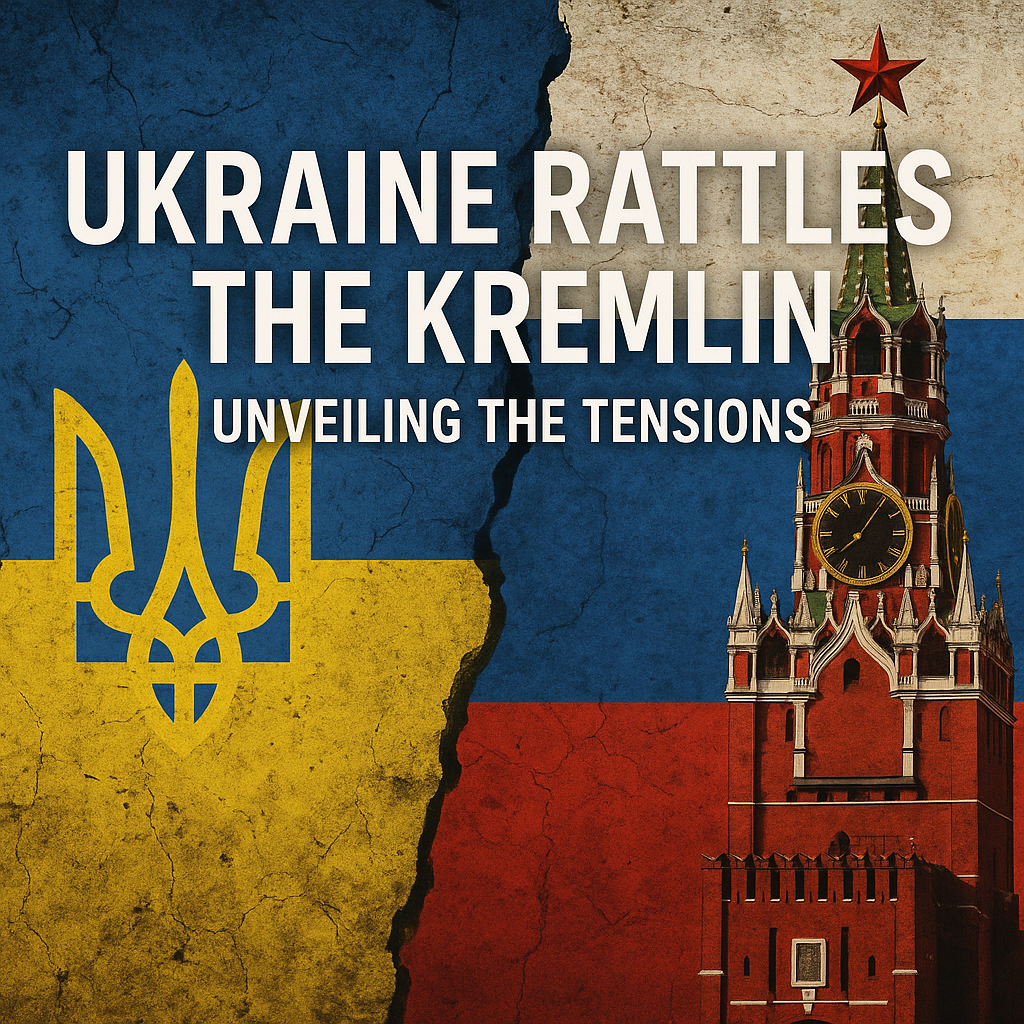
Ukraine Rattles the Kremlin: Unveiling the Tensions

Ukraine Rattles the Kremlin: Unveiling the Tensions
In recent months, the geopolitical landscape has shifted dramatically as Ukraine has increasingly rattled the Kremlin. This growing tension is symptomatic not only of military conflicts but also of a complex interplay of diplomacy, nationalism, and international relations. Understanding these nuanced developments requires a thorough exploration of the key events and reactions involved.

The Military and Diplomatic Escalation
Ukraine’s renewed commitment to its sovereignty has contributed significantly to the heightened tensions with Russia. According to a report by Sky News, Russian officials acknowledge that Ukraine has managed to unsettle the Kremlin profoundly. This sentiment was echoed during a series of military exercises near the Ukrainian border, which not only demonstrated Ukraine’s military capabilities but also signaled its determination to defend its territory against perceived encroachments.


The Role of NATO and Western Support
Western nations, particularly NATO member states, have played a pivotal role in backing Ukraine. In the face of escalating threats from Russia, the West has provided military aid, training, and intelligence support. Al Jazeera reports that this assistance is seen as a critical factor in bolstering Ukraine’s defenses, affecting the Kremlin’s strategic calculus. The influx of new weaponry and advanced technology into Ukraine suggests that the West is prepared to support Ukraine’s active resistance against Russian aggression.


However, this backing has its complexities. Some sources, including RT, have critiqued the West’s involvement, arguing it pushes Ukraine further into a confrontation with Russia. They claim that this support could lead to unintended consequences, potentially escalating the conflict into a larger regional war. This divergence in perspectives highlights the delicate balance nations must navigate in their international relations.
Domestic Response in Russia
As Ukraine continues to bolster its military posture, the response within Russia has been telling. Russian officials, including President Vladimir Putin, have publicly framed their stance as defensive, depicting Ukraine’s actions as provocations that necessitate a strong response. Russian media outlets report a mix of rallying cries aimed at fostering national unity against perceived external threats, yet there are also signs of unease among the populace regarding the implications of continued military involvement.
Moreover, dissent over the war in Ukraine has manifested in various forms, ranging from public protests to critical commentary from various political analysts within Russia. Acknowledging these internal dynamics is crucial in comprehending the Kremlin’s actions, as they may reflect a government increasingly aware of the domestic vulnerabilities that a protracted conflict could pose.
A Complicated Interplay of Nationalism and Identity
The identity politics at play in both Ukraine and Russia further complicate the situation. For Ukraine, the conflict has reinforced a sense of national identity, with many citizens rallying around the idea of a free and independent state. The Al Jazeera report notes that this surge in nationalism has galvanized previously divided factions within Ukraine, uniting them against a common foe.
Conversely, in Russia, the Kremlin’s narrative has emphasized historical grievances and national pride, portraying the conflict as a resurgence of Russia’s rightful place in the world. This framing serves to unify public sentiment but also risks alienating segments who question the rationale for ongoing military commitments.
Looking Ahead: Uncertainties and Impending Developments
As we look to the future, the uncertainty surrounding the Ukraine-Russia tensions remains palpable. While Ukraine’s increased assertiveness and Western support seem to have rattled the Kremlin, the potential for further escalation is significant. Analysts suggest various scenarios, ranging from negotiated settlements to protracted conflict, with the latter posing severe risks for both nations and the wider region.
In conclusion, the intricate web of military, diplomatic, and societal factors at play in the Ukraine-Russia scenario presents a complicated picture for observers. While Ukraine continues to assert its sovereignty with growing confidence, the Kremlin faces internal and external pressures that complicate its position. A comprehensive understanding requires not only acknowledging the immediate tensions but also recognizing the deeper historical and cultural narratives that shape this ongoing saga. As events unfold, the global community keenly watches, bracing for the implications that may arise from these fraught interactions.















