US Strikes Highlight Explosions in Southern Iran

US Strikes Highlight Explosions in Southern Iran
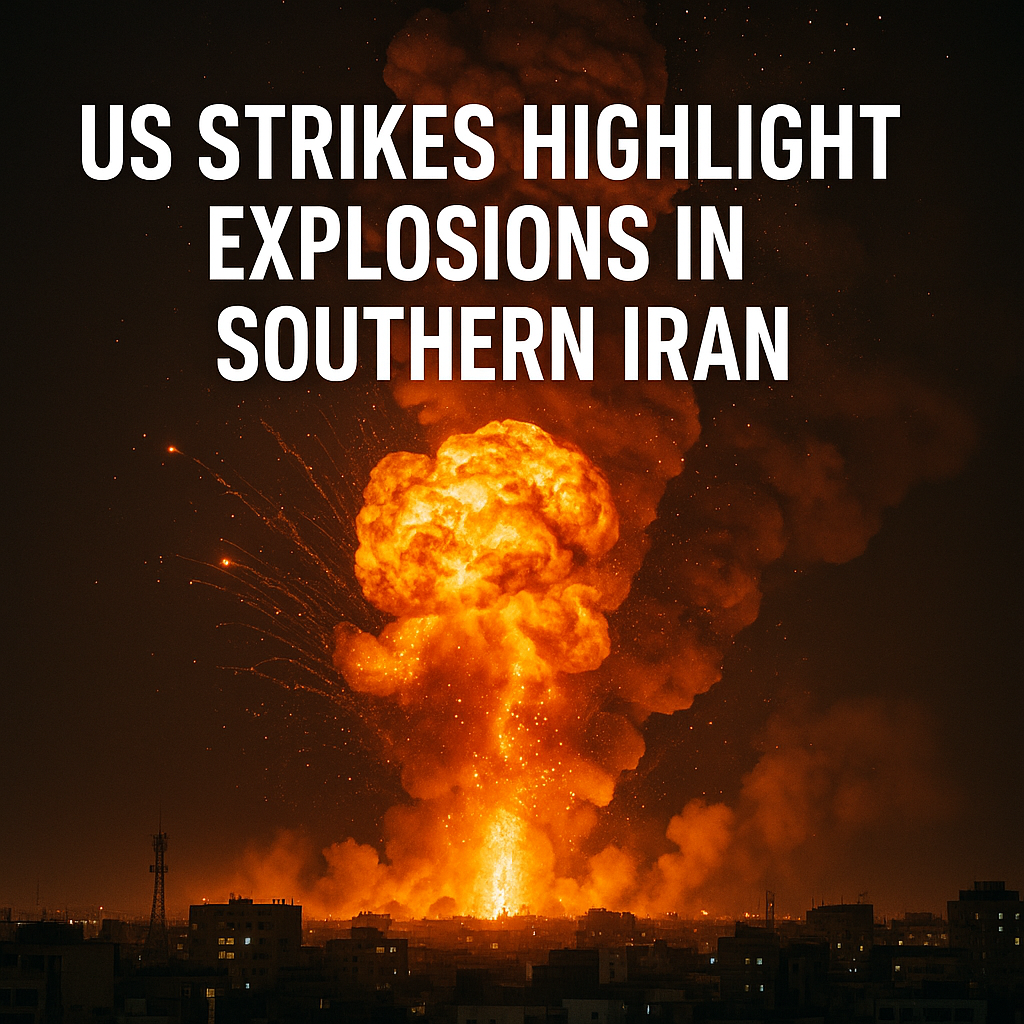
Recent US military strikes have added a complex layer of tension to the geopolitical landscape, particularly in Southern Iran. These events come amid escalating tensions between the US and Iran, creating a provocative backdrop that has stirred reactions both regionally and globally.

Understanding the Context of the Strikes
The strikes, as reported, were part of a broader strategy focused on countering perceived threats to US interests in the Middle East. According to Al Jazeera, the US initiated these actions in response to a series of attacks believed to be orchestrated by Iranian forces and their affiliates. The simultaneous explosions heard across Southern Iran have heightened concerns regarding potential retaliatory measures from Tehran.


Iranian state media characterized these strikes as a direct violation of its sovereignty. They reasserted that such actions would only exacerbate regional instability. The Iranian government has vehemently denied any involvement in the activities that prompted the US response, portraying the strikes as an unjustified act of aggression.


Diverse Perspectives on Implications and Reactions
The reaction to the US strikes from various political analysts illustrates a stark divide in interpretation. Some experts argue that the strikes could serve as a deterrent, demonstrating US resolve against Iranian aggression. Proponents of this view suggest that firm military action might constrain Iran’s influence in the region.
Conversely, critics argue that such military engagement could lead to an escalation of armed conflict. According to reports from RT, there is widespread concern that these strikes could incite further Iranian military action, leading to a cycle of retaliation. The long-term ramifications could destabilize not only Iran but also extend to US allies in the region, particularly if hostilities ensue.
Potential Consequences for Regional Stability
The potential consequences of these strikes on regional stability are far-reaching. For one, the fear of a wider military confrontation looms large. Many analysts warn that if Iran decides to retaliate, it could exacerbate pre-existing tensions with neighboring countries that share its borders. This could lead to a humanitarian crisis, with displaced civilians fleeing conflict zones.
Furthermore, the strikes could impact US foreign policy in the broader context. The Biden administration faces a precarious balancing act—maintaining US interests while avoiding prolonged engagement in conflicts that risk further entanglement. As tensions simmer, diplomatic efforts may falter, overshadowed by the immediate military response.
The Effect on Global Perceptions of US Policy
The US strikes in Southern Iran also resonate in the global sphere, influencing international perceptions of US foreign policy. Some allies may perceive the strike as a reaffirmation of US commitment to combat aggression in the Middle East. However, skepticism persists among other nations, prompting discussions about whether US actions are fostering stability or inciting discord.
In conclusion, the recent military strikes in Southern Iran reveal the complexities of US-Iranian relations and their potential ripple effects across the region. While some may see military intervention as a necessary step to safeguard US interests, the long-term consequences could challenge the very stability that such actions aim to restore. As the situation unfolds, the international community remains watchful, weighing the myriad implications of these high-stakes decisions.