US Strikes Iran Resumed After Tanker Attacks

US Strikes on Iran Resume After Tanker Attacks
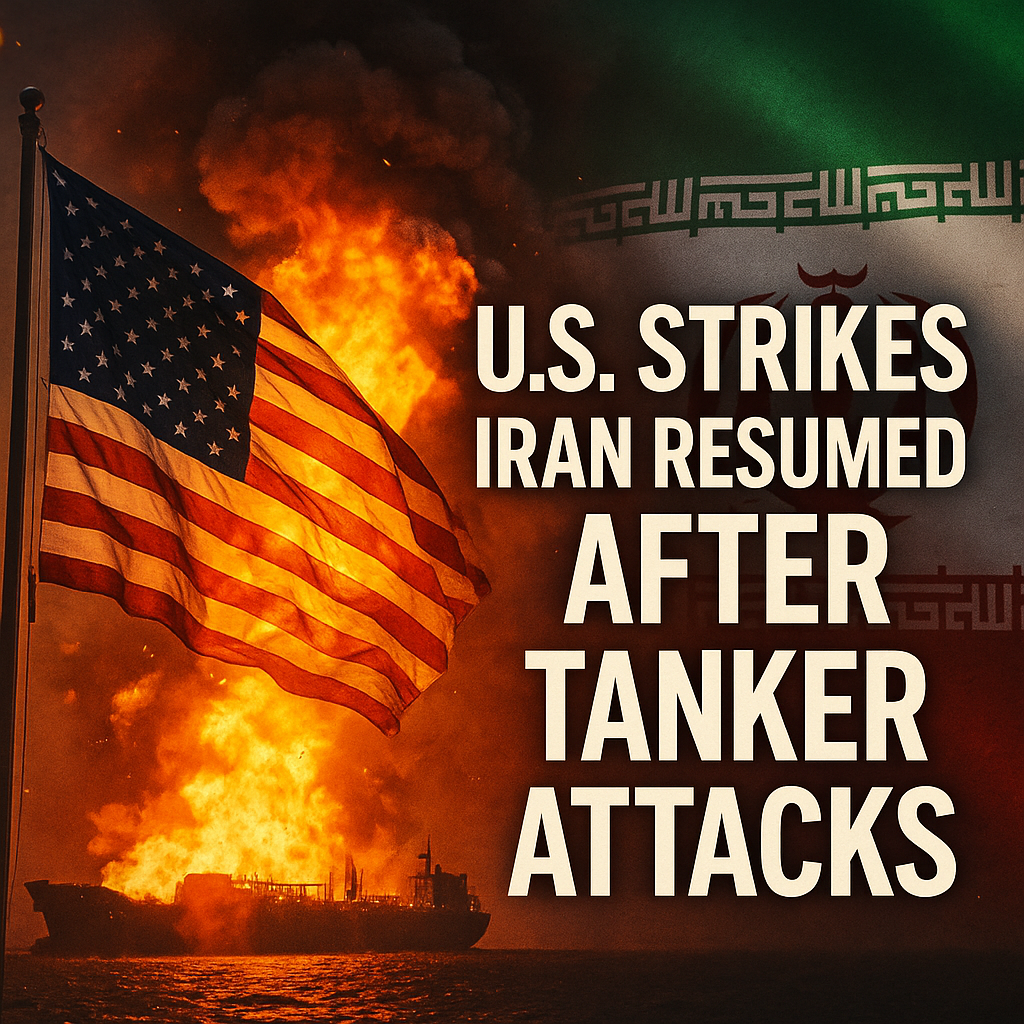
Recent developments in the Middle East have escalated tensions between the US and Iran, with the US military launching a series of strikes in response to attacks on oil tankers in the Persian Gulf. These military actions draw a stark reminder of the precarious state of affairs in the region, particularly regarding maritime safety and national security.

The Context of Recent Strikes
According to reports from multiple news outlets, the US retaliated against Iran following a series of assaults attributed to Iranian-backed forces targeting commercial vessels. The recent incidents have raised fears about the security of international shipping through one of the world’s most critical maritime routes. The strikes were aimed at facilities connected to these alleged threats, suggesting a tactical approach by US forces to neutralize perceived risks stemming from Iran’s military capabilities.


Iran’s response to the US military actions was predictably defiant. Iranian officials condemned the strikes, viewing them as an aggressive violation of sovereignty. This position was echoed in various statements from Tehran, indicating that Iran would take necessary measures to protect its interests and deter further US incursions.


Divergent Views on Maritime Security
Experts and analysts are split on the implications of these escalations. On one hand, supporters of the strikes argue that they are necessary to deter Iran from further destabilizing the region. “By sending a strong message, the US is reasserting its commitment to protecting international maritime law,” one analyst suggested. From this viewpoint, the strikes could help prevent more significant conflicts down the line.
Conversely, some commentators caution that these military actions are merely playing into a cycle of escalation that could have dire consequences. An article from Al Jazeera highlighted concerns that these retaliatory strikes might provoke Iran into retaliating against not just the US but also its allies, potentially sparking wider regional conflict. Critics argue that diplomacy should take precedence over military actions in addressing the ongoing tensions, as retaliatory strikes can often backfire, leading to unintended escalations.
Analyzing Impacts and Future Considerations
The latest US strikes on Iran indicate not only a response to immediate threats but also reflect a broader strategy in the region. As tensions flare, the stakes are high for both the US and Iran, particularly regarding oil supplies and international trade. The energy market remains sensitive to these developments, and any disruption could result in increased prices worldwide.
Looking forward, experts suggest that dialogue remains an essential element in addressing the root causes of this conflict. Both nations must navigate a complicated landscape where military posturing could easily spiral into a full-fledged confrontation. Diplomacy, despite its recent challenges, could pave the way for more sustainable solutions that prioritize regional stability and security.
Conclusion
The return of US strikes against Iran demonstrates a significant escalation in a longstanding geopolitical struggle. While some view these actions as a necessary deterrent against Iranian aggression, others warn of the dangers associated with a reliance on military solutions. As events continue to unfold, the need for strategic dialogue and conflict resolution becomes increasingly urgent to avoid a broader crisis that could impact not only the region but the world at large.