US Strikes Iran: Targeting Fishing Piers Near Nuclear Plant

US Strikes Iran: Targeting Fishing Piers Near Nuclear Plant
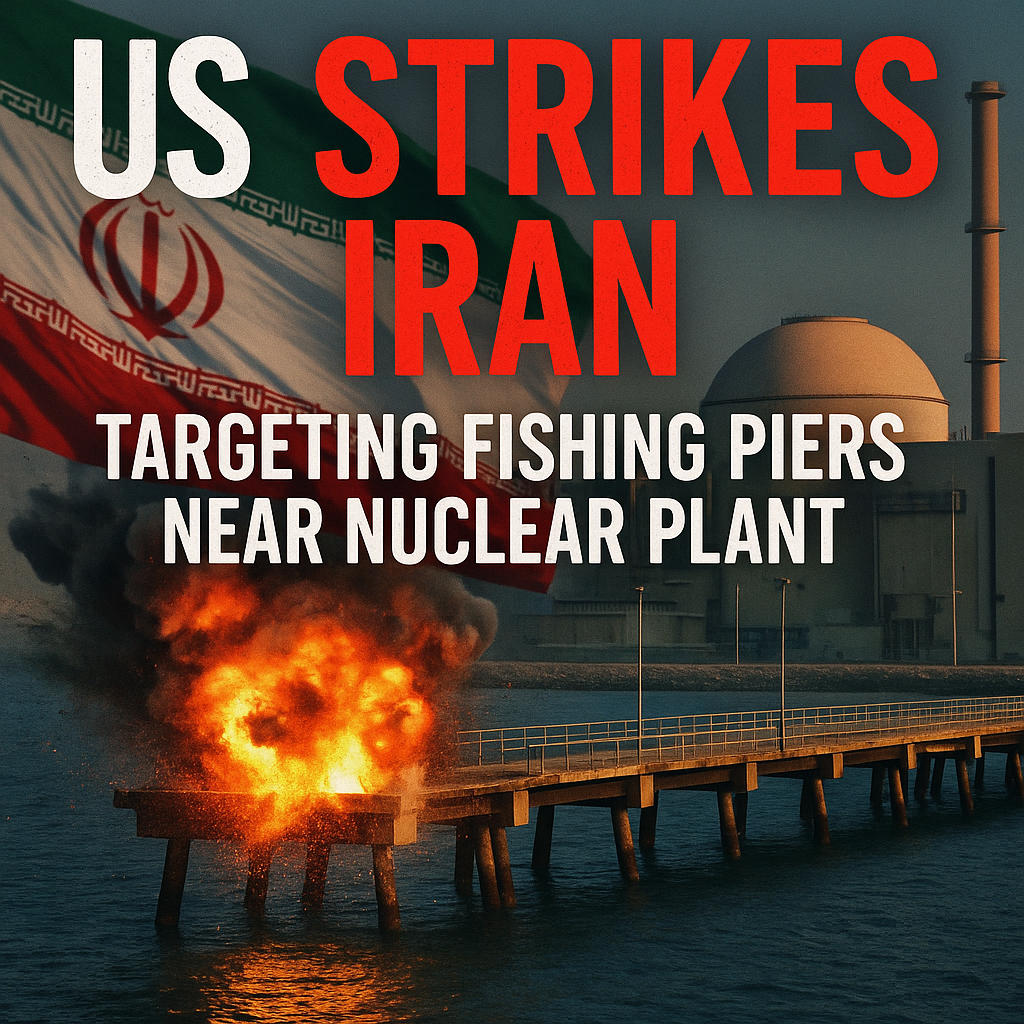
The recent US military action targeting fishing piers near Iran’s nuclear facilities has sparked significant debate among political analysts, military experts, and international relations scholars. This incident not only highlights the volatile nature of US-Iran relations but also brings forth questions regarding the implications of such strikes on regional stability and international law.

The Strategic Context of the Strikes
The US strikes were reportedly aimed at disrupting potential supply lines that might be used to enhance Iran’s nuclear capabilities. According to a report from Al Jazeera, these strikes occurred amid heightened tensions between the US and Iran, with both nations exchanging a series of hostile rhetoric and military posturing over the last few years. The incidents underscore the US’s ongoing campaign to prevent Iran from advancing its nuclear weapons program, which many analysts view as a significant threat to regional and global security.


On the other hand, RT’s coverage presents a contrasting perspective, emphasizing that such strikes could escalate tensions instead of curbing them. Critics argue that targeting civilian infrastructure, such as fishing piers, raises ethical concerns and might provoke retaliatory action from Iran, potentially leading to a broader regional conflict. The ramifications of these strikes could extend beyond immediate military objectives, affecting local populations and disrupting livelihoods.


The Legal and Ethical Dilemmas
One primary concern surrounding the strikes is their adherence to international law. Targeting civilian infrastructures, even if indirectly related to military functions, could violate the principles of proportionality and discrimination in warfare. Experts in international law often debate these nuances, questioning whether such actions are justified under the current geopolitical climate.
A fair assessment must recognize that military actions are sometimes deemed necessary for national security. Nevertheless, engaging in acts that predominantly impact civilian lives poses ethical challenges and could further hinder diplomatic resolutions. The US, while attempting to present itself as a stabilizing force, risks becoming viewed as an aggressor in the eyes of the Iranian populace and their allies.
In the days following the strikes, there has been a clear divergence in the narrative between American and Iranian officials. The US government has framed its military presence as a precautionary measure to protect American interests and global non-proliferation efforts, while Iranian leaders have condemned the actions as acts of aggression. This tension is compounded by a historical backdrop of mistrust, where both sides often misinterpret each other’s intentions.
The Broader Implications for US-Iran Relations
The attack on fishing piers is likely to have lasting repercussions on US-Iran relations. While both sides wrestle with their narratives, the complex interplay of local politics, regional alliances, and international responses must be considered. For instance, Middle Eastern countries with historical ties to Iran may interpret these strikes as aggressive posturing, thereby impacting their diplomatic ties with the United States.
Moreover, the strikes come at a time when the prospects for returning to the 2015 nuclear agreement have been dwindling. Analysts fear that such military actions could further dampen any hopes for a negotiated settlement, making diplomatic engagements even more challenging. On the international stage, both allies and adversaries of the US will scrutinize these actions closely, weighing the risks of escalating conflicts against the potential benefits of a more aggressive military strategy.
While the focus may currently be on tactical achievements in the region, the long-term outcomes will depend heavily on how all parties move forward. A cycle of retaliatory actions could lead to an unending conflict, whereas a shift towards dialogue and negotiation may usher in a different approach to dealing with Iran’s nuclear ambitions.
Conclusion
The US strikes on fishing piers near Iran’s nuclear facilities exemplify the intricate balance of military intervention, ethical considerations, and international relations doctrine. As both nations navigate through this contentious landscape, the implications of military strategies on civilian life and regional stability must inform decision-making. The evolving dynamic of US-Iran relations remains fraught with uncertainty, calling for a cautious approach that prioritizes dialogue over aggression to avert further escalation and promote lasting peace.