
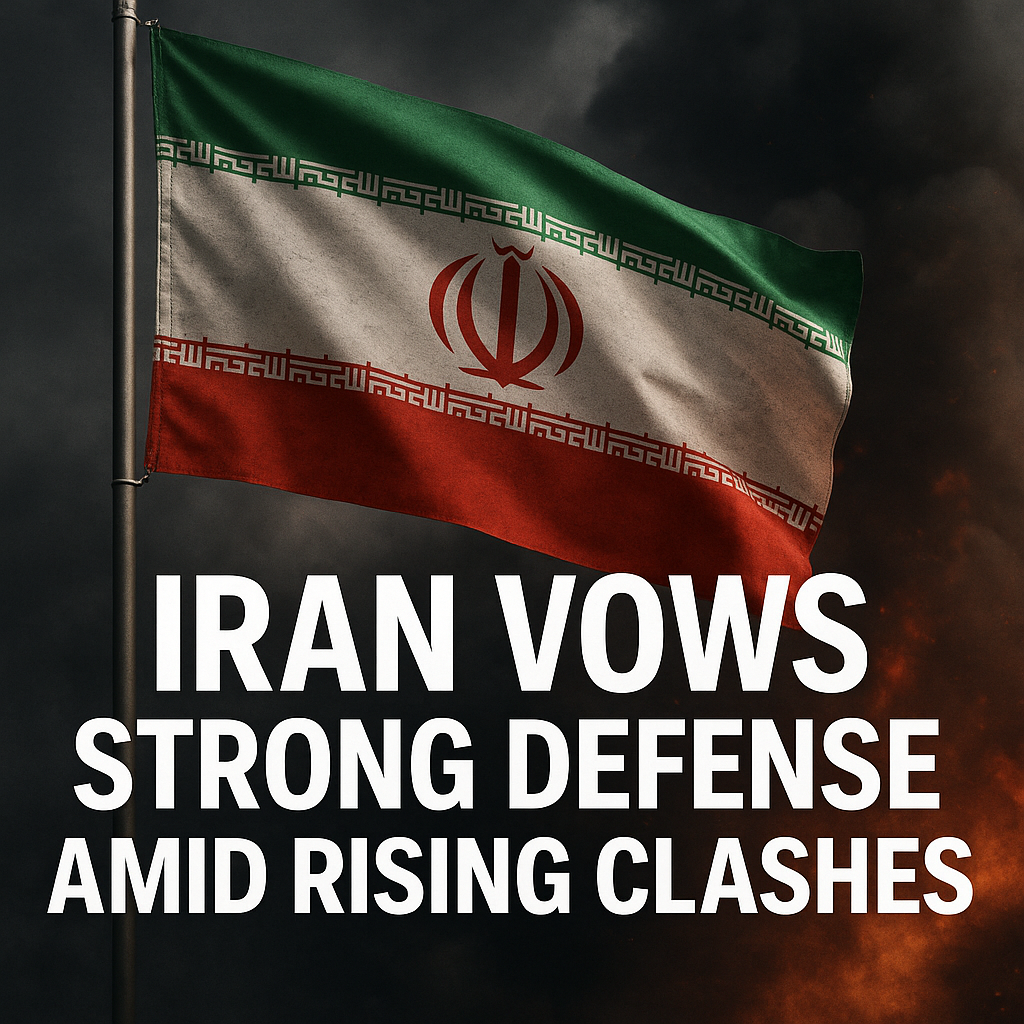
Iran Vows Strong Defense Amid Rising Clashes
Iran Vows Strong Defense Amid Rising Clashes
In the context of increasing regional tensions, Iran has made a firm statement regarding its defense capabilities, asserting that it will not hesitate to protect its sovereignty. This comes against a backdrop of heightened clashes and escalating rhetoric both internally and externally.

The Context of Rising Clashes
Recent conflicts in the Middle East have reignited concerns over geopolitical stability. Reports indicate that clashes have intensified along Iran’s borders, particularly with neighboring nations. For example, renewed hostilities involving Kurdish groups in Iraq and military operations in Syria have prompted Iran to bolster its military readiness. According to Al Jazeera, Iranian officials emphasized their commitment to defending their territory and citizens against any external threats. This pronouncement aligns with statements made earlier this year amidst similar skirmishes, suggesting a consistent approach towards perceived encroachment.

The situation is further complicated by Western sanctions and military posturing in the region. Iran’s defense strategy appears to be informed by a sense of vulnerability exacerbated by these external pressures. RT News highlighted the state’s military drills as an essential aspect of its defense strategy, aimed at showcasing preparedness against both conventional and asymmetric threats.

Diverse Perspectives on Iran’s Military Stance
International reactions to Iran’s posture reveal a spectrum of viewpoints. Some analysts argue that Iran’s assertiveness is a rational response to perceived threats, particularly from Israel and the United States. An article from Sky News pointed out that many in the Iranian leadership perceive military readiness as key to maintaining deterrence in a volatile region. This perspective is rooted in a historical context that sees Iran surrounded by U.S. military bases and allied nations, which fuel a narrative of encirclement.
Conversely, critics caution that such a militaristic stance may heighten tensions rather than quell them. Supporters of diplomatic engagement argue that Iran’s aggressive rhetoric can provoke a cycle of escalation, drawing the region into further conflict. The implications of this militarization could redefine alliances and incite broader conflicts that disrupt not only regional but also global stability.
While many in Iran’s government defend their military advancements as necessary, others within the nation express concerns about the prioritization of military spending over critical domestic needs. This internal dissent illustrates a complex societal landscape where military defense is weighed against socio-economic considerations.
The Road Ahead: A Balance of Power and Diplomacy
In light of Iran’s declarations and the responses from the international community, the path forward appears fraught with challenges. Analysts suggest that while military readiness is crucial, a parallel emphasis on diplomacy could serve as a stabilizing factor. Discussions around negotiations concerning Iran’s nuclear program exemplify potential avenues for de-escalation, although trust remains a significant issue.
Moreover, the United States and its allies may need to recalibrate their strategies towards Iran. Initiatives that foster dialogue rather than confrontation could yield more fruitful outcomes in the long term. This notion resonates with those who argue for a re-engagement strategy, promoting cooperation over conflict as a means to achieve regional stability.
As both sides navigate this precarious landscape, the importance of balancing defense capabilities with diplomatic efforts cannot be overstated. With both military might and negotiation on the table, the hope remains that wiser heads will prevail, fostering a climate of peace in a region long troubled by turmoil.
In conclusion, Iran’s strong defense pledge amid rising clashes encapsulates a broader narrative of tension, insecurity, and the desperate need for dialogue. With competing viewpoints framing this issue, the challenge remains to find common ground that can accommodate both security needs and aspirations for lasting peace.















