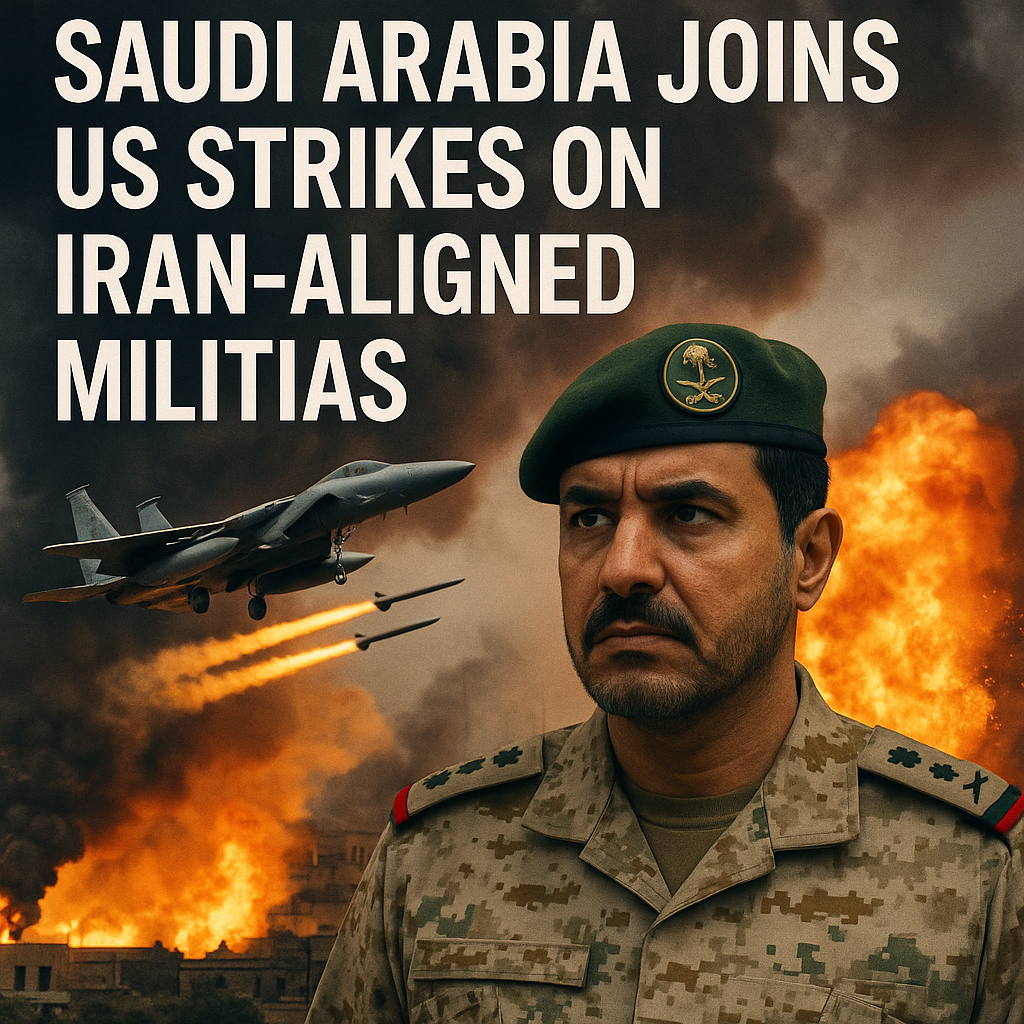
Saudi Arabia Joins US Strikes on Iran-Aligned Militias
Saudi Arabia’s involvement in US strikes against Iran-aligned militias has marked a significant shift in the geopolitical landscape of the Middle East. This collaboration underscores the burgeoning security ties between the two nations, aiming to counteract the influence of Iran and its proxies in the region.

The Context of Saudi Arabia’s Engagement
Recent military operations signify more than just an alliance; they reflect the broader strategic shift within the Middle East, particularly in relation to Iranian influence. Traditionally, Iran has maintained a robust network of militias throughout Iraq, Syria, and Yemen, which it utilizes to extend its reach and power. These militias have often clashed with US forces and their allies, leading to heightened tensions and frequent military engagements.

Saudi Arabia’s decision to join forces with the United States in strikes against these militias highlights its concern over regional stability and security. According to RT, Saudi airstrikes were conducted in the border areas of Iraq, targeting locations associated with the Iranian-backed militias. This incident not only reinforces Saudi Arabia’s proactive military posture but also reflects a deepening military intelligence-sharing agreement with the US.

Diversified Perspectives on the Strikes
Opinions about this military engagement vary widely across different media sources, reflecting diverse geopolitical analyses. On one side, commentators from Al Jazeera highlight the collaborative efforts as a necessary move to ensure regional security. They argue that with the growth of Iranian-backed forces, the US and Saudi Arabia are responding to a clear threat, aiming to stabilize Iraq and counter Tehran’s ambitions. Such efforts have raised concerns about the militarization of Saudi diplomacy, shifting from a traditional defensive stance to a more aggressive, interventionist approach.
Conversely, some critiques assert that this military response is fraught with risks. Analysts note that expanding military operations against Iranian-aligned militias may exacerbate sectarian tensions in Iraq and further destabilize the region. Sky News provides insight into concerns that continuing these attacks could undermine ongoing peace efforts and provoke retaliatory measures from Iran and its affiliates, igniting a wider conflict.
Moreover, a historical perspective illuminates that Saudi Arabia has generally been cautious in engagements outside its borders, prioritizing defense. This new military strategy indicates a potential recalibration of its security policy, driven by fear of a resurgent Iran following recent US-Iran negotiations regarding nuclear capabilities.
Assessing the Potential Outcomes
The ramifications of Saudi Arabia’s military coordination with the US could be substantial. A more assertive Saudi military presence could deter the actions of Iran-aligned militias in the short term but may complicate the longer-term diplomatic landscape.
– Increased Militarization: The collaboration could pave the way for a broader coalition against Iran’s influence, potentially inviting more actors into the fray and escalating military engagements.
– Risk of Retaliation: Iran and its proxies have demonstrated a willingness to retaliate against perceived aggressors. If these strikes lead to escalated hostilities, Iranian forces may target Saudi interests directly or through proxy actions within Saudi Arabia or its allies.
– Diplomatic Consequences: This military cooperation may strain relations with other regional players who oppose US intervention and have interests aligned with Iran. Countries such as Turkey and Qatar could perceive this alliance as a threat to their positioning.
In conclusion, while the collaborative strikes against Iranian-aligned militias suggest a shared commitment to curtailing Iran’s regional power, they come with complex ramifications and potential pitfalls. As both Saudi Arabia and the US recalibrate their military strategies, this evolving dynamic will surely shape the geopolitics of the Middle East in the years to come. The necessity for ongoing dialogue, a commitment to diplomatic avenues, and vigilance against escalation will be paramount as the situation unfolds.