EU Plans New Sanctions Boosting $1.5 Trillion Hit on Russia

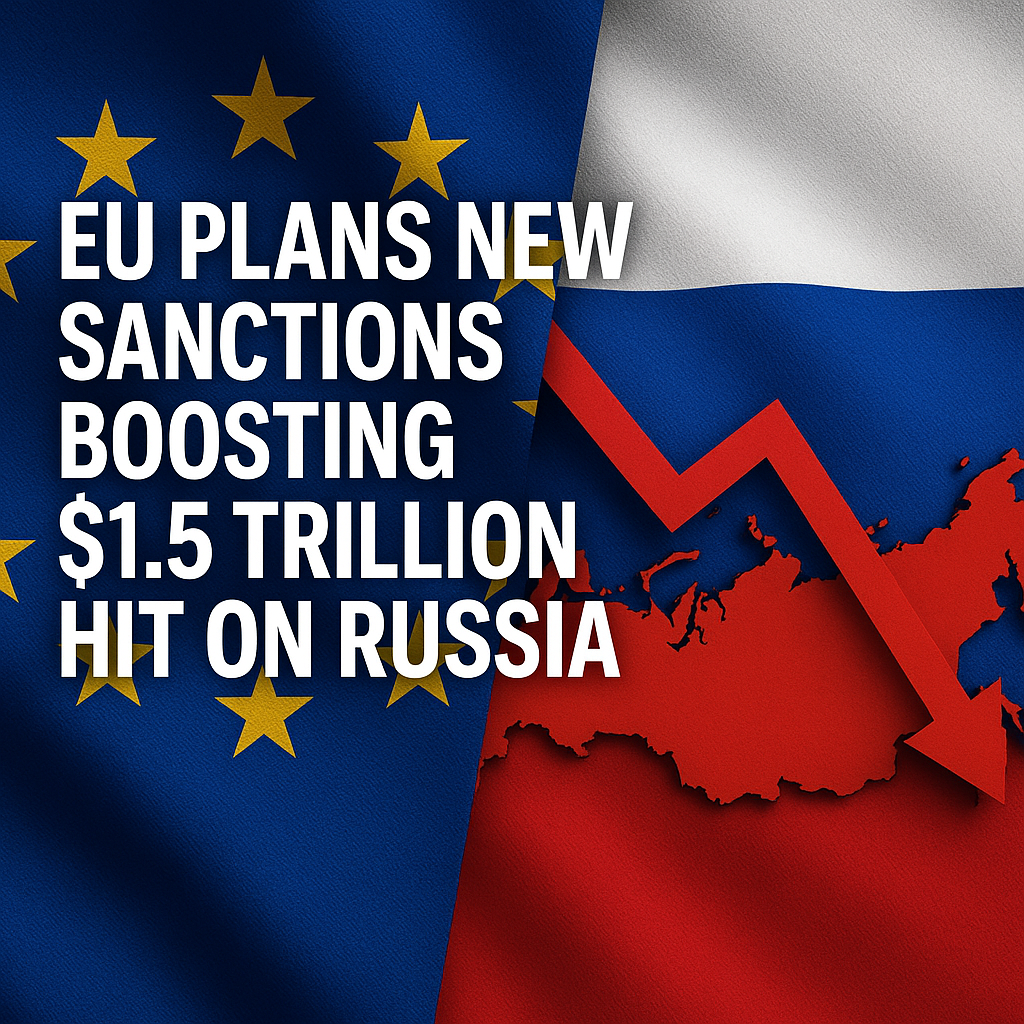
The European Union’s strategy regarding sanctions on Russia is reaching a significant turning point, with new measures poised to deepen the impact on the Russian economy. The proposed plans aim to bolster the already staggering $1.5 trillion sanctions that have been imposed since the onset of the Ukraine conflict. As the geopolitical landscape continues to shift, the implications of these developments are vast and complex.

Understanding the Current Sanction Landscape
In recent months, the EU has engaged in extensive deliberations regarding further sanctions against Russia. The collective decision appears to be driven by a desire to respond more robustly to Russia’s ongoing military actions in Ukraine and its perceived violations of international law. According to Al Jazeera, EU officials have identified potential new measures targeting sectors vital to the Russian economy, including energy, finance, and technology exports.


However, these discussions are not without their challenges. There is a noticeable division among EU member states concerning the effectiveness and potential repercussions of escalating sanctions. While some countries advocate for a hardline approach, citing national security and the need to support Ukraine, others voice concerns about the economic fallout on Europe itself, particularly with rising energy prices and inflation.


The Economic Implications of New Sanctions
The proposed sanctions could potentially magnify the financial strain on Russia, which is already grappling with diminished revenues due to previous sanctions. As highlighted by sources like RT, Russia has taken measures to counteract these sanctions, finding ways to circumvent restrictions through trade partnerships with non-Western countries. The ongoing geopolitical dynamics suggest that while the intended impact of sanctions is significant, their effectiveness can be mitigated by adaptive countermeasures from the Kremlin.
Economic analysts suggest that a sustained pressure campaign could lead to a deterioration of Russia’s economic stability, potentially influencing public sentiment within the country. Yet, some experts caution that an aggressive sanctions strategy could also have unintended consequences, such as driving Russia closer to allies like China, further complicating the geopolitical climate.
Diverse Perspectives on Effectiveness and Impact
The debate about the effectiveness of sanctions is polarized. Proponents argue that these measures are critical tools in the West’s arsenal to hold Russia accountable for its actions. They contend that the cumulative effect of a $1.5 trillion sanctions hit on Russia will force the nation to reconsider its aggressive stance on Ukraine. However, critics raise valid concerns regarding the potential backlash from the Russian populace, who may rally around their leadership in times of heightened sanctions.
According to a report from Sky News, the EU’s focus remains not only on crippling Russia’s economy but also on showcasing unity among member states in standing against aggression. Yet, this resolve is tested by the diverse economic realities faced by different EU countries, especially those that heavily rely on Russian energy.
Looking Ahead: What’s Next for EU-Russia Relations?
As the EU continues to refine its approach to sanctions against Russia, the path forward remains fraught with uncertainty. While the push for additional sanctions signals a strong commitment to support Ukraine and restrain Russian aggression, it necessitates careful navigation to avoid exacerbating internal divisions within the EU itself.
The discussions surrounding these new sanctions reflect broader questions about the role of economic sanctions in modern geopolitical conflicts. Can they effectively change the behavior of adversarial states, or do they risk prompting a counterproductive escalation? The divergent opinions highlight the complexity of the situation, suggesting that a balance must be struck between palpable punitive measures and diplomatic avenues.
In conclusion, the EU’s plans to expand sanctions against Russia represent both a commitment to international law and a recognition of the precarious economic landscape facing its member states. As the dialogue progresses, it will be essential to monitor the interplay between sanctions, geopolitical alliances, and domestic economic conditions within both the EU and Russia, as they shape the future of this enduring conflict.