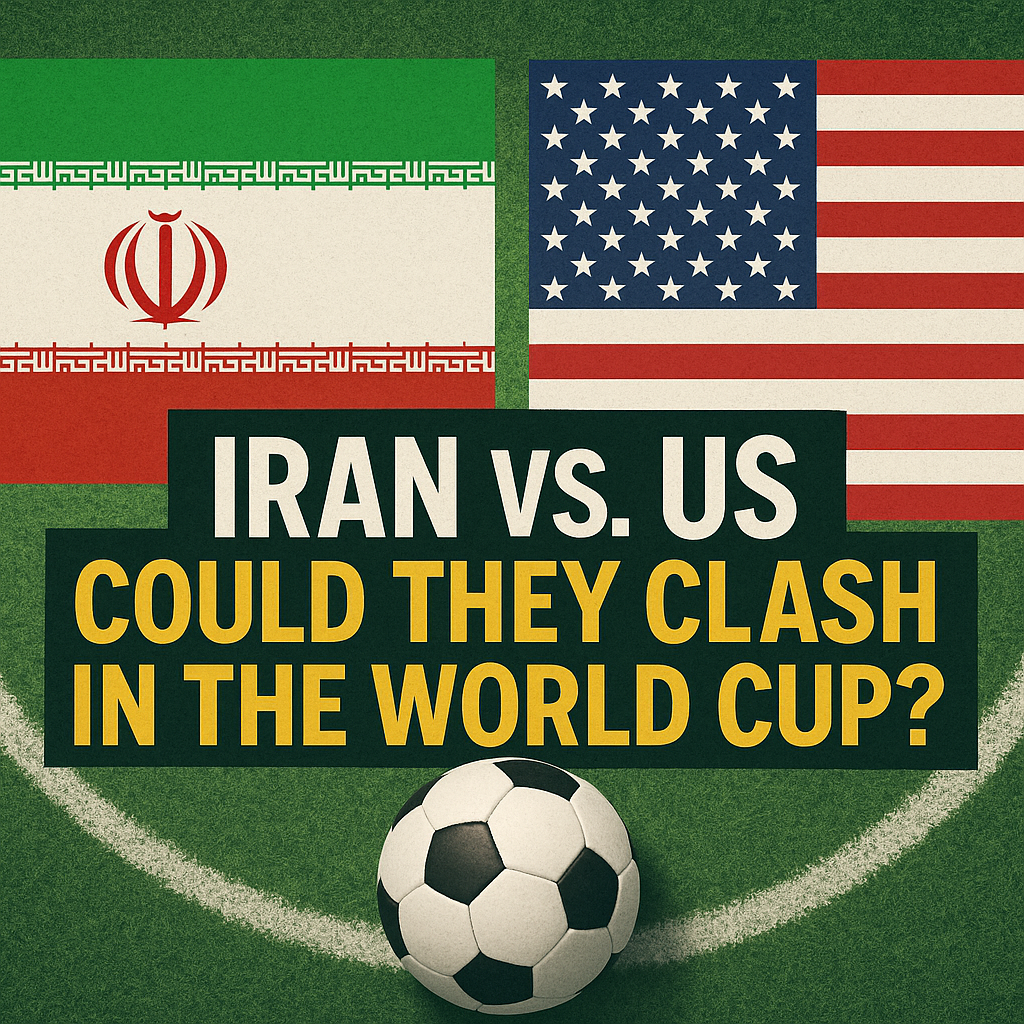
Iran vs. US: Could They Clash in the World Cup?

Iran vs. US: Clash on the Pitch?
The prospect of an athletic rivalry between Iran and the United States rekindles excitement among soccer fans worldwide, particularly in light of the upcoming 2026 FIFA World Cup. This tournament could present a significant opportunity for political and cultural dialogue, as well as a platform for competing narratives.

Historical Context
Historically, the relationship between Iran and the US has been fraught with tension. Since the 1979 Iranian Revolution, diplomatic relations have been largely nonexistent, characterized instead by mutual distrust and conflictual engagement. This backdrop adds an intriguing layer of complexity to sports interactions. The sports arena, however, often serves as a neutral ground where tensions can moderate, even if only briefly.


Iran’s national soccer team, known as Team Melli, has made strides within international tournaments, challenging and captivating audiences. Their participation in the World Cup represents not only athletic prowess but also a showcase of national pride. In contrast, the US team is seen as a rising power in global soccer. Matches between these two teams could spark engagement beyond sports, igniting discussions on domestic issues, political relations, and cultural perceptions.


Potential Match-up Implications
If the two nations face each other in the World Cup, it may bring a host of implications.
Political Reactions
For many, a match against the US is more than a contest of skill; it’s an opportunity for Iran to project its influence and reframe international narratives. Reports suggest that there is a deep desire within the Iranian public to showcase national identity through sport, especially in an arena where they can compete against a historically adversarial nation. Some priorities include showcasing athletic talent and fostering a sense of unity among Iranians.
On the flip side, there is skepticism among US observers about what such a match might mean. As noted by analysts, the game could be exploited for propaganda on both sides. The US media might frame the encounter in a way that underscores American sports dominance, while Iranian state media could use it as a focal point for national pride and resilience.
A Chance for Unity?
While the potential for contention exists, historical precedents also demonstrate that sports can foster unexpected unity. Take, for instance, the famous “Basketball Diplomacy” that occurred between the US and China in the 1970s, which contributed to a thaw in geopolitical tensions. Iranians have expressed hopes that sports may similarly soften animosities.
International sporting events often provoke enthusiasm and a sense of commonality among people, transcending borders and political divides. Could this World Cup potential match allow Iranian fans to connect with American fans, united by a shared love of the game? Some sports analysts believe that this possibility is worth considering.
Uncertainty Ahead
Despite the evocative nature of the potential match-up, skepticism remains. The trajectory of the relationship between Iran and the US is unpredictable, influenced by fluctuating political climates and international relations. Uncertainties persist regarding whether the match will actually happen, given the geopolitical intricacies and the current state of international soccer qualifying mechanisms.
To add to this, reactions from respective governments and their ability to navigate the international spotlight cannot be overlooked. Sanctions, statements, and political maneuvers will likely shape the atmosphere surrounding this event, if it indeed occurs.
Conclusion
The hypothetical clash between Iran and the US in the World Cup becomes a compelling microcosm of each nation’s larger narrative on the global stage. Whether as potential rivals or as unlikely partners in celebration, the two teams represent more than just their countries; they embody the hopes, tensions, and aspirations of millions. Only time will tell if the field of play can indeed provide a momentary respite from political strife and enable a deeper understanding through the universal language of sport.
As fans eagerly await this matchup’s potential, one thing is clear: the intersection of sport and politics will play out vividly on the pitch, reaffirming that in athletics—as in life—anything is possible.