Gaza’s Displaced Families Suffer Deteriorating Living Conditions

Gaza’s Displaced Families Suffer Deteriorating Living Conditions
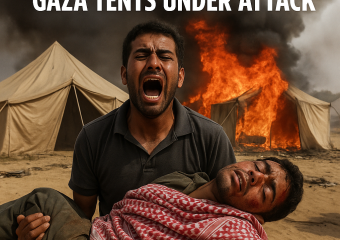
In the ongoing crisis, Gaza’s displaced families face increasingly difficult living conditions, exacerbated by ongoing conflicts and a dire humanitarian situation that seems to worsen by the day. Reports from various news outlets indicate a staggering increase in the number of individuals displaced by violence, elevating concerns not only about physical safety but also about basic human needs.

The Humanitarian Crisis Escalates
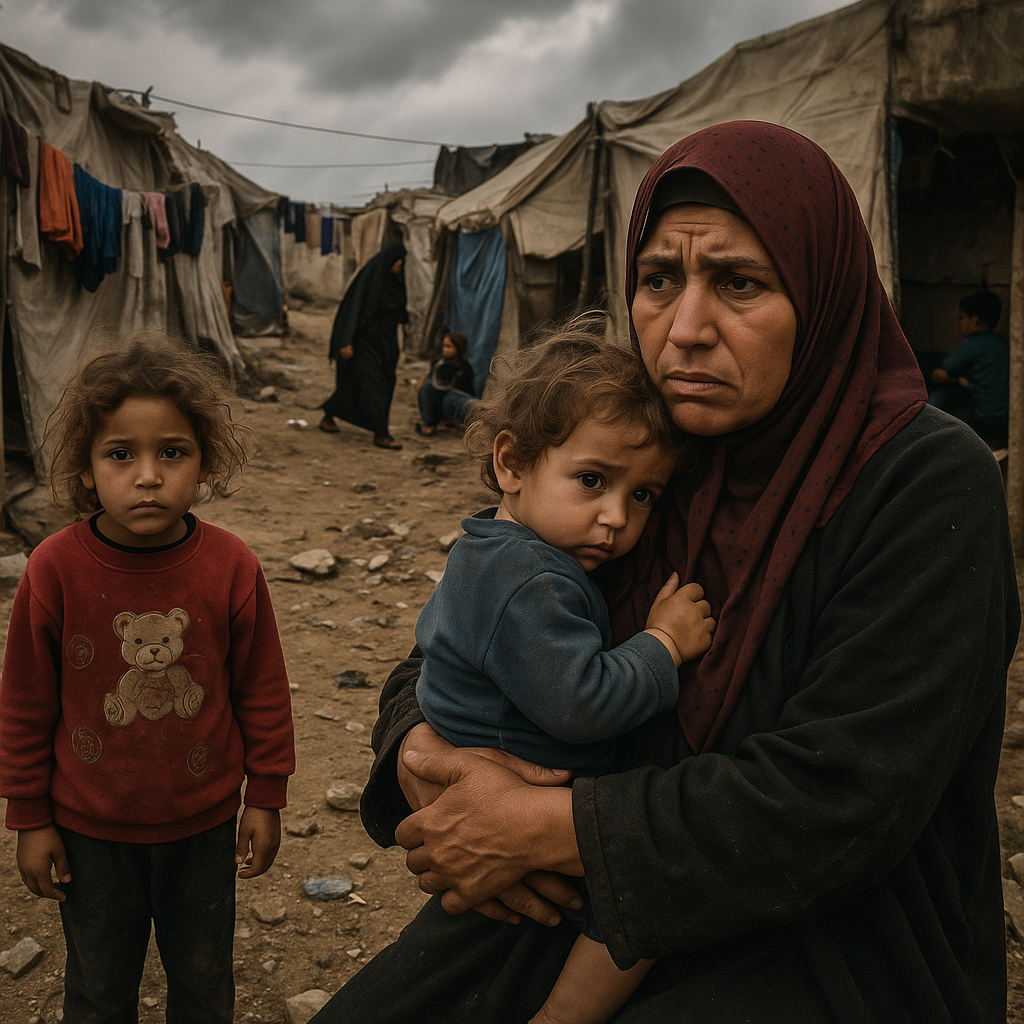
According to Al Jazeera, many families have found refuge in overcrowded shelters that are ill-equipped to handle the influx of displaced individuals. The sheer number of people in these makeshift accommodations has led to severe shortages of food, clean water, and medical supplies. Furthermore, the psychological toll of living in constant fear and uncertainty has taken a significant toll, particularly on children who make up a large portion of the displaced population.


RT has also reported on the deteriorating conditions, with families often having to share limited resources and basic amenities. In some cases, entire families are forced to live in single-room shelters, leading to a breakdown of basic family structures and community support systems. The lack of privacy and safety exacerbates the already tense atmosphere, raising questions about the long-term effects that such circumstances can have on mental health and societal stability.


International Response and Aid Challenges
Despite the overwhelming needs on the ground, the international response has been marked by delays and complications. Aid organizations are struggling to mobilize resources effectively due to ongoing security concerns and restrictions on movement within the region. Sky News points out that while some humanitarian aid has been pledged, it often fails to reach those most in need. Bureaucratic hurdles and local hostilities can hinder distribution efforts, leaving many vulnerable individuals without the necessary support.
Moreover, differing perspectives on how to address the complex situation complicate the narrative. Some argue for immediate humanitarian interventions to alleviate the suffering, while others advocate for long-term solutions that address the root causes of the conflict and displacement. The latter viewpoint suggests that without tackling the underlying political and economic issues, any aid provided may only serve as a temporary bandage on a much deeper wound.
Voices from the Ground
A closer examination reveals the personal stories behind the statistics. Displaced individuals often express feelings of despair and hopelessness, caught in a cycle of violence and instability that seems unending. Many families report that their homes have been destroyed, and they have nowhere else to turn. Al Jazeera highlighted a poignant story of a family that, after losing their home, has attempted to maintain a semblance of normality by creating a makeshift living space within a community center. Such attempts are undermined by the lack of sufficient supplies and support.
Conversely, some local leaders are attempting to mobilize community efforts to provide food and shelter. However, these grassroots initiatives face significant challenges, including the lack of financial resources and ongoing political strife that distracts from communal rebuilding efforts.
The Path Forward
As the living conditions for Gaza’s displaced families continue to deteriorate, it is clear that immediate action is needed. A multi-faceted approach that includes humanitarian aid, political dialogue, and rebuilding efforts is essential for any meaningful change. While the international community expresses solidarity, tangible actions must translate into real-world relief and support.
The complexities of the crisis demand a nuanced understanding, recognizing that the plight of the displaced cannot be solved by aid alone. Instead, lasting peace and security must be pursued to reduce displacement risks in the future.
It remains to be seen how the various stakeholders will respond to this ongoing humanitarian challenge, but there is an urgent need for cohesive action. The flickering hope of a better future must not drown in the current wave of despair experienced by so many families in Gaza. Without genuine commitment and collaborative efforts, the situation might worsen before it gets better, leaving countless lives forever changed by trauma, instability, and loss.