Gaza Strikes Kill 5, Injure Children in Deadly Escalation

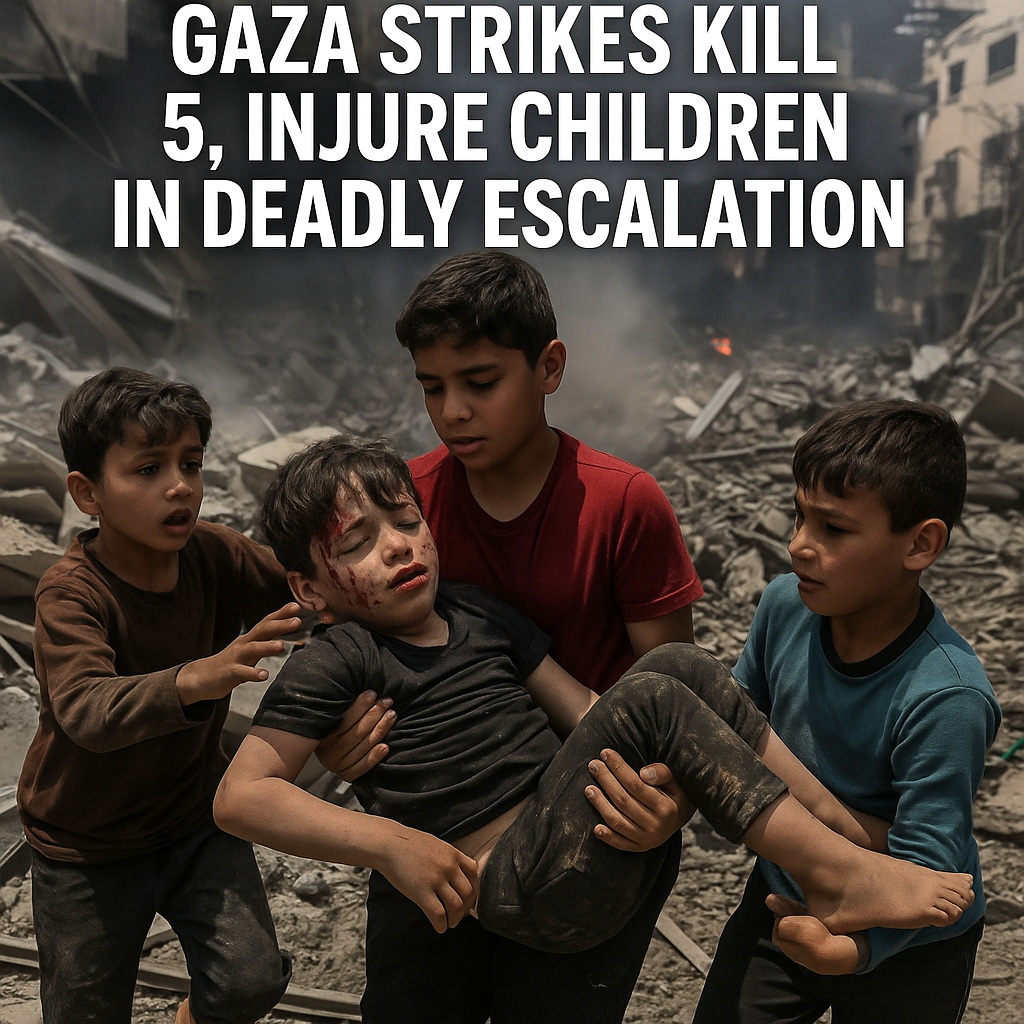
The recent escalation in Gaza has led to a series of strikes that resulted in the deaths of five individuals, including children. This tragic situation has become a focal point for international discussions surrounding the ongoing conflict and the humanitarian crisis that ensues.

The Context of the Escalation
In a striking turn of events, air strikes carried out in Gaza have intensified already existing tensions in the region. Reports indicate that families were affected, with injuries reported among children—a stark reminder of the harsh realities faced by civilians. According to Al Jazeera, specific areas within Gaza were particularly targeted, raising concerns among human rights organizations about the implications of such actions on non-combatants.


The escalation was accompanied by further military rhetoric from both sides, with opposing factions in the region exchanging accusations and justifications for the violence. The situation has led to heightened calls for a ceasefire. Many observers are questioning the consequences of military operations in urban areas where civilian populations are densely packed, which often results in tragic collateral damage.


The Humanitarian Impact
The toll these strikes take on ordinary citizens, especially children, is profound. Sky News reported accounts of families fleeing their homes, terrified of the incessant bombings. Eyewitnesses have recounted harrowing experiences, depicting scenes of chaos and desperation. Children make up a significant portion of those injured, emphasizing the urgent need for protective measures in conflict zones.
Organizations monitoring the humanitarian crisis in Gaza have raised alarms regarding the increasing number of displaced individuals. Medical facilities are also under strain, battling not only the influx of wounded but also the psychological toll on both victims and healthcare providers. These urgent issues call for a response from the international community, stressing the importance of humanitarian access and support.
Contrasting Perspectives on the Strikes
The justification for military action in Gaza varies significantly across different viewpoints. Proponents of the strikes argue that they are necessary measures aimed at combating terrorism and mitigating security threats. They assert that military operations help dismantle infrastructures that support militant groups, citing the need to protect their own citizenry from potential attacks.
On the other hand, critics highlight the disproportionate impact these strikes have on civilians. As articulated by various human rights advocates, such violence undermines any claims of ensuring security while exacerbating hostilities in the long run. A notable concern is that assaults on populated areas can fuel cycles of vengeance rather than contribute to peace.
Reports from RT underline ongoing calls for accountability, stressing that, regardless of the military rationale, the loss of innocent lives is unfathomable and must be addressed. This sentiment resonates globally, with protests erupting advocating for peace and a cessation of hostilities.
Ongoing Diplomatic Efforts
In light of the tragedy, diplomatic efforts are imperative to negotiate a path toward de-escalation. Various nations and organizations have begun collaborating to facilitate dialogues, urging conflicting parties to recommit to restoring peace and addressing humanitarian needs. The call for a ceasefire is more urgent than ever, as the violence continues to uproot lives.
International leaders and organizations are tasked with balancing the need for security with the imperative to protect civilians. As the situation evolves, many are questioning what sustainable solutions can be implemented to reduce violence and rebuild trust among communities on both sides.
Concluding Thoughts
The situation in Gaza represents a complex interplay of military necessity and humanitarian ethics. As air strikes lead to loss of life and increased suffering among the civilian population, the necessity of dialogue and cooperation has never been clearer. Ongoing humanitarian tragedies highlight the urgent need for comprehensive strategies that prioritize peace and protect civilians amidst conflict.
Finding a resolution to this cycle of violence requires unwavering commitment and innovative approaches from international stakeholders. The hope is that in the face of such despair, concerted efforts will one day lead to stability and healing for those affected by ongoing hostilities in the region.