US Strikes Iran as Ceasefire Fails: New Wave of Attacks

US Strikes Iran as Ceasefire Fails: New Wave of Attacks
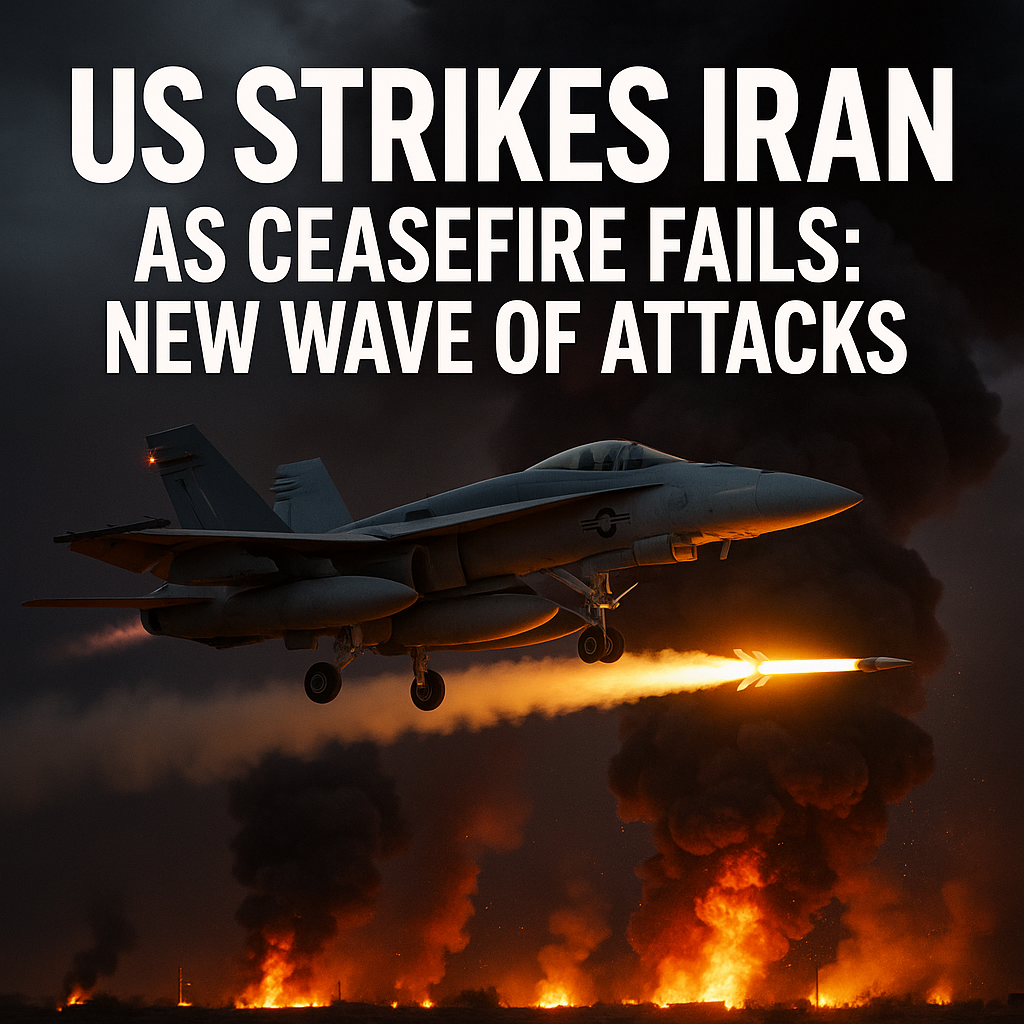
The recent escalation in U.S.-Iran tensions has drawn renewed scrutiny following the U.S. strikes against Iranian positions. As a fragile ceasefire crumbles, the geopolitical implications of these military actions raise questions about the broader stability in the region.

The Context of the Hostilities
The delicate balance of power in the Middle East has been challenged by ongoing hostilities that include armed conflicts and proxy wars involving multiple nations. The U.S. military’s decision to strike Iranian targets is not merely a reaction to immediate provocations but a culmination of years of fraught relations exacerbated by nuclear negotiations, regional influences, and the perceived threat from Iranian proxies in places like Iraq and Syria.


According to Al Jazeera, the U.S. announced its strikes in response to attacks that were allegedly carried out by Iran-backed militias against American forces stationed in the region. This latest round of military action represents a significant shift, representing the U.S.’s inclination to engage militarily rather than relying solely on diplomatic solutions, which seem to falter time and again.


The Divergent Perspectives
The responses to these strikes have been widely varied, reflecting intricate local and international sentiments.
Supporters of the Strikes
Proponents of the U.S. military action argue that these strikes are necessary to deter Iranian aggression and safeguard American lives. They assert that without such preemptive measures, U.S. forces would remain vulnerable to attacks orchestrated by Iranian proxies, which could further destabilize Iraq and the surrounding areas. According to reports from RT, military officials contend that the strikes send a clear message that the U.S. will protect its assets and personnel in the region, especially in light of increasing Iranian provocations.
Moreover, supporters emphasize the need for a robust posture against Iran’s influence, reasoning that a strong response may ultimately foster a more stable regional balance by reducing Iran’s perceived power and willingness to engage in proxy conflicts.
Critics of the Strikes
Conversely, opponents of the U.S. airstrikes argue that military action often exacerbates tensions rather than alleviating them. Critics fear that the strikes could lead to an escalation of hostilities, prompting Iran to retaliate against U.S. interests not only in the region but also globally. As reported by Sky News, diplomacy should remain the primary approach, and military interventions risk drawing the U.S. into a prolonged conflict for which there is no clear exit strategy.
Furthermore, there is a concern that the strikes undermine ongoing diplomatic efforts aimed at curbing Iran’s nuclear ambitions. Critics suggest that the unilateral nature of the U.S. response could alienate potential allies and exacerbate international coalitions that uphold Iran’s nuclear ambitions.
The Uncertain Road Ahead
As the dust settles from the latest American strikes, the future remains uncertain. With the ceasefire failing, experts warn that renewed hostilities could lead to a cycle of violence that would deepen the socio-political divide in Iraq and extend beyond its borders.
Given the diverse perspectives surrounding the strikes, it is crucial for policymakers to navigate these tensions with a blend of strategic caution and diplomatic finesse. The ground situation is fluid; while military strikes may offer a momentary tactical advantage, they often overlook the underlying complexities that fuel such conflicts.
Conclusion
The U.S. military’s strikes on Iranian positions mark a significant escalation in an already volatile conflict. While aimed at protecting American interests and personnel, these actions have raised critical questions about the long-term strategy in the region. The divide between proponents and opponents of military engagement underscores the multifaceted nature of U.S.-Iran relations, reminding us that decisions made today will resonate throughout the geopolitical landscape for years to come. As global observers, it invites all of us to watch closely as the situation unfolds, aware that the stakes are not merely political but deeply human as well.