IDF Soldier Shoots Three-Year-Old: Gazan Father’s Heartbreak

IDF Soldier Shoots Three-Year-Old: Gazan Father’s Heartbreak
The tragic shooting of a three-year-old Palestinian child by an Israeli Defense Forces (IDF) soldier has sparked profound sorrow and outrage, highlighting the ongoing complexities of the Israeli-Palestinian conflict. As news of the incident unfolds, varied reactions from both sides of the conflict underline the deep-seated tensions and differing narratives surrounding this heartbreaking event.

The Incident: A Family’s Loss
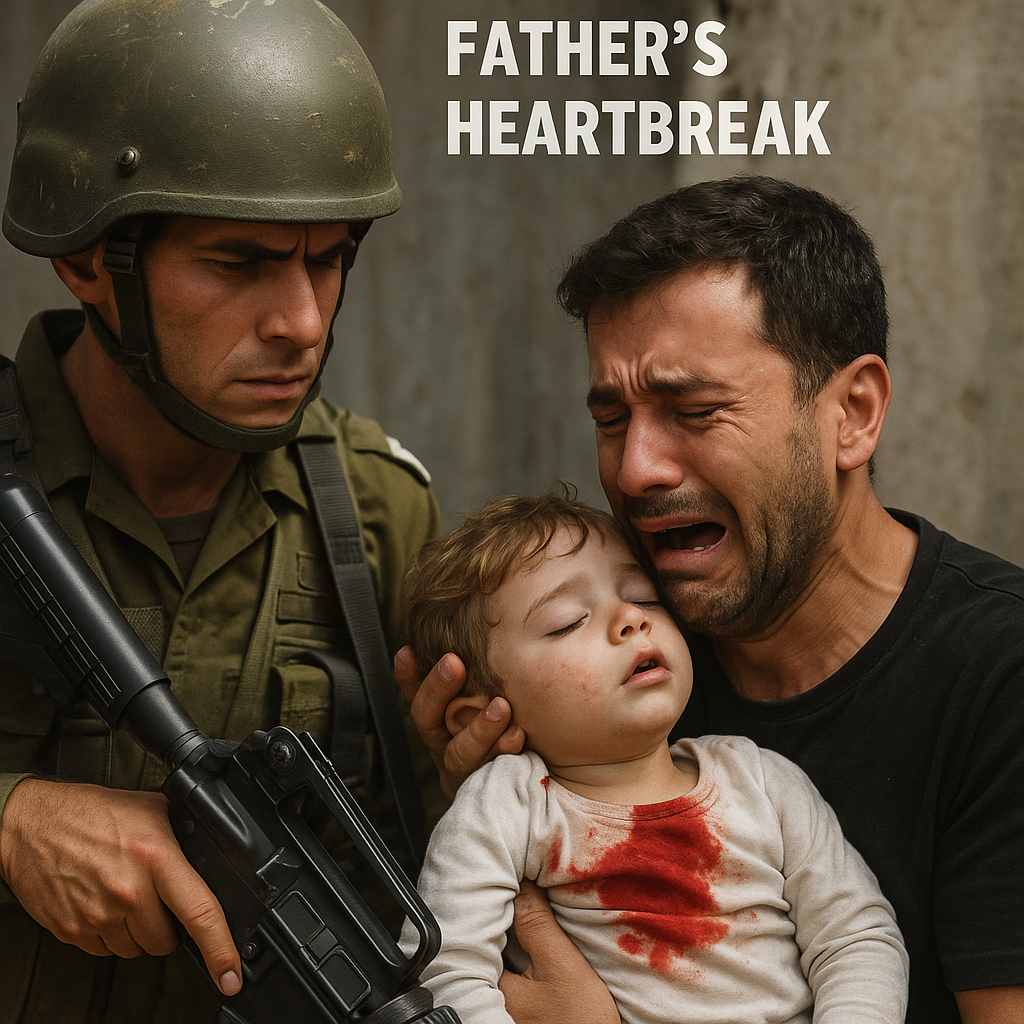
According to reports from various news outlets, the tragic event occurred in Gaza when an IDF soldier shot the child during a border incident that has not yet been fully explained. Witnesses claim that the child, identified as a three-year-old boy, was reportedly playing with his family in a neighborhood near the border when the soldier fired his weapon. The child was pronounced dead shortly after arriving at a local hospital, with a statement from his father describing his profound grief and heartbreak.


AJazeera covered the emotional fallout from this event, noting that the father expressed deep sorrow over the loss of his son, calling it an “unbearable tragedy.” The family reportedly had no direct involvement in the ongoing conflict and was merely living their daily life when this irreversible act occurred. This tragedy exemplifies the chaotic and often horrifying consequences of violent encounters in a region where tensions frequently flare.


Diverse Perspectives on the Incident
The reactions to this event illustrate the polarized nature of opinions regarding Israeli military actions. Many activists and human rights organizations condemned the shooting as an example of excessive use of force by the IDF. They argue that incidents such as these underscore the urgent need for accountability and a reevaluation of military engagement rules in civilian areas. Advocacy groups assert that international humanitarian law must be upheld, insisting that the shooting of a child is unambiguously unacceptable regardless of the circumstances.
Conversely, Israeli officials have expressed a different narrative, citing the need for heightened security in response to perceived threats along the border. They argue that the IDF acts to protect Israeli citizens, portraying incidents like these as regrettable but necessary within the context of the larger conflict. However, this justification has been met with skepticism, particularly from Palestinian rights advocates who maintain that such incidents of violence are indicative of a broader systemic issue.
An Ongoing Cycle of Grief and Conflict
The broader implications of this tragedy extend far beyond the immediate family involved. The emotional and psychological impact on communities affected by such violence cannot be overstated. As observers look towards potential avenues for resolution, it’s vital to consider a multifaceted approach embracing both security concerns and humanitarian needs.
Social media platforms have been flooded with expressions of grief and outrage from various factions, illustrating the widespread resonance of such tragic events. Many advocates argue that the international community must do more to protect vulnerable populations in conflict zones, emphasizing the need for intervention in preventing violence against civilians—especially children.
Moreover, this incident raises questions about the effectiveness of current peace initiatives and the ongoing discourse surrounding the Israeli-Palestinian conflict. With both sides entrenched in their narratives, it may be increasingly difficult to find common ground moving forward. Critics of Israeli policies often emphasize the disproportionate impact on Palestinians, while supporters highlight security as crucial for the survival of the state of Israel.
Moving Forward: The Need for Dialogue
Finding a path forward remains a formidable challenge. The agony of the Gazan father and the memories of his child are emblematic of the larger human cost associated with this protracted conflict. Experts advocate for a renewed commitment to dialogue and peace-building initiatives that prioritize human life and dignity.
Whether this tragic incident acts as a catalyst for change remains to be seen. The complexity of the Israeli-Palestinian conflict demands innovative solutions that address both security concerns and humanitarian needs. As both local and global communities reflect on incidents like the heartbreak of a Gazan father’s loss, it becomes increasingly clear that greater empathy and understanding are crucial for fostering lasting peace in the region.
In the end, the story of the three-year-old child is not just a tragedy for one family; it is a story that reflects the struggles of many in a region marred by conflict, underscoring the urgent need for compassion and resolution.