Iran Claims Victory Over US: A New Era Unfolds

Iran Claims Victory Over US: A New Era Unfolds
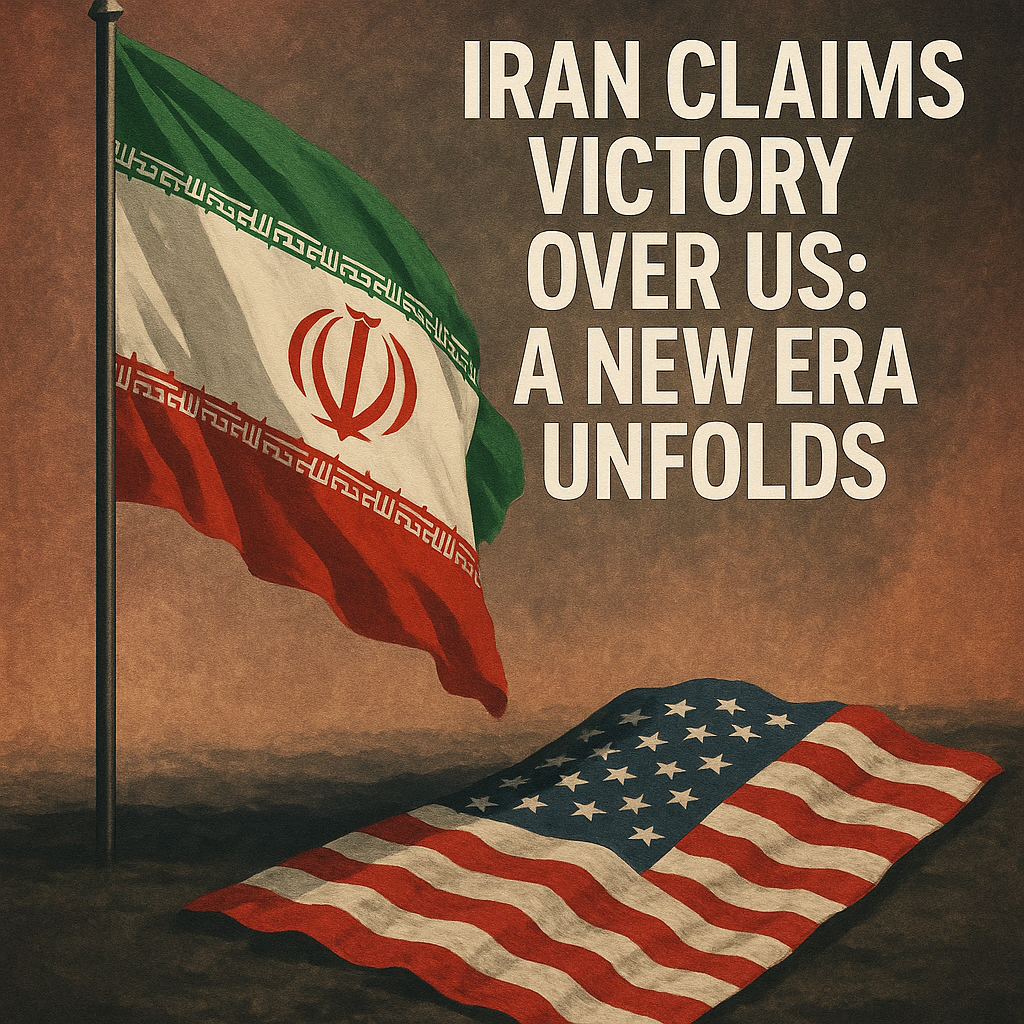
In recent developments, Iran has asserted its triumph over the United States in geopolitical maneuvering, framing a narrative that suggests a significant shift in balance of power. This claim has sparked extensive debate among international analysts and observers regarding its implications for the region and beyond.

The Context of Iran’s Triumph
This assertion of victory can be traced back to several intertwined events, including the latest negotiations surrounding Iran’s nuclear program and the changing dynamics in U.S.-Iran relations. A recent report from RT highlighted that Iran believes this “victory” is marked by its ability to withstand U.S. sanctions and maintain economic resilience. The Iranian leadership argues that this resilience demonstrates not only a diplomatic win but also a reinforcement of national sovereignty.


Contrasting perspectives appear from various geopolitical analysts who note that while Iran may feel empowered, the international community remains divided on the issue. Al Jazeera’s coverage suggests that Iran’s claim must be viewed through a complex lens; it reflects Tehran’s desire to consolidate power domestically while projecting strength internationally. Some experts argue that such proclamations could be more about internal political messaging than actual shifts in global power dynamics.


Nuclear Negotiations and Broader Geopolitical Implications
Central to this discussion is the ongoing dialogue surrounding Iran’s nuclear ambitions. The Joint Comprehensive Plan of Action (JCPOA), which aimed to restrict Iran’s nuclear capabilities in exchange for sanctions relief, has been at a standstill. According to sources from Sky News, the failure to revive the JCPOA has left the U.S. and its allies reluctant to engage further, inadvertently emboldening Iran’s strategic posture.
Many Iran observers posit that the lack of renewed negotiations might have given Tehran the opportunity to frame its position as one of strength. The Iranian narrative suggests that the U.S. withdrawal from previous agreements and the imposition of sanctions have not only failed to curb its ambitions but have instead resulted in a stronger, more unified Iranian resolve.
However, the reality on the ground remains complicated. While Iran may project confidence, internal economic challenges persist, compounded by the volatility of the region. Reports indicate that the Iranian economy struggles under the weight of long-standing sanctions, with inflation rates soaring and foreign investments dwindling. Acknowledging these economic pressures adds a nuanced layer to Iran’s victory claims, suggesting that the proclaimed triumph might overshadow some underlying vulnerabilities.
Divergent Views on Regional Stability
Another significant aspect worth discussing is the broader regional implications of Iran’s claims. Iran’s perceived victory raises questions about stability in the Middle East. Some experts argue that Tehran’s increased assertiveness, framed as victory over the U.S., could lead to heightened tensions with neighboring countries, particularly Saudi Arabia and Israel. Analysts from various news sources have pointed out that these regional powers might respond by bolstering military alliances and seeking greater support from the West.
On the flip side, other voices contend that Iran’s claims could catalyze diplomatic opportunities. The narrative of triumph could serve as leverage for Iran to engage in negotiations, potentially to de-escalate tensions in areas such as Iraq and Syria, where Iranian influence remains significant. This dual narrative presents a complex picture, revealing that victory and defeat can often occupy the same space in international relations.
Conclusion: Navigating the New Era
In conclusion, while Iran’s assertion of victory over the U.S. may resonate strongly with its domestic audience, the multifaceted issues surrounding this claim reveal broader complexities. From the ongoing challenges in nuclear negotiations to the economic pressures faced by Tehran, the situation demands a cautious approach from all parties involved.
The path ahead for both Iran and the United States is fraught with uncertainty. As geopolitical dynamics continue to evolve, it remains to be seen how these claims will affect not only bilateral relations but also the stability of the entire region. Only time will clarify whether this perceived victory heralds a new era of engagement or further polarization.