Iran Fires Missiles at Israel Following Beirut Attack

Iran Fires Missiles at Israel: A Complex Response to Regional Tensions
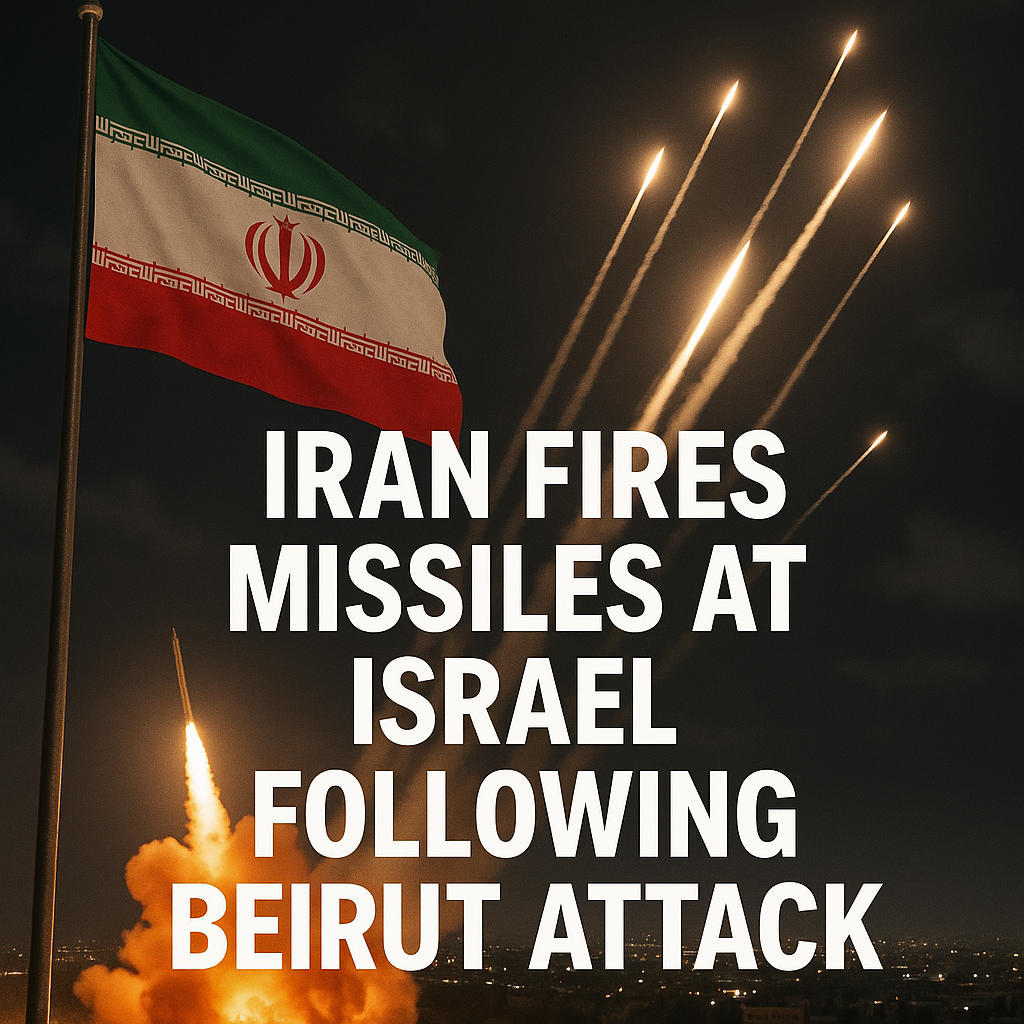
In a dramatic escalation of tensions in the Middle East, Iran recently launched missiles targeting Israel following a significant attack on Beirut. This incident underscores the complex web of geopolitical dynamics at play in the region, highlighting the intricate relationships between state actors and the pervasive influence of non-state entities.

The Context of the Attack
The Iranian missile strikes came in the wake of an operation against Iranian-backed groups in Beirut, which reportedly involved airstrikes attributed to Israel. These events are not isolated; they are part of a broader pattern of increasing hostilities that have characterized the Israeli-Iranian confrontation in recent years.


According to reports from Al Jazeera, the Iranian government characterized its missile launch as a necessary response to Israeli aggression, signaling a strong commitment to supporting its allies in Lebanon and projecting power in the region. Tehran cites Israel’s historical assaults on its interests and allies as justification for its military backlash.


On the other hand, Israeli officials assert that their operations are defensive in nature, aimed at curbing the influence of Iranian-sponsored militias that threaten Israeli territory and security. An analysis from Sky News points out that Israel views these militias as a direct extension of Iranian military power, which has been expanding its footprint in Syria and Lebanon.
Broader Implications for Regional Stability
The missile strikes have intensified fears regarding an escalation into a broader regional conflict. Analysts suggest that this confrontation may trigger a cycle of retaliation, complicating an already delicate security landscape in the Middle East.
Some experts argue that Iran’s decision to strike could alienate more moderate voices within the region, potentially jeopardizing diplomatic avenues. However, others believe that Iran’s actions may unite its existing allies against a common foe, particularly if they perceive Israel as the aggressor. For instance, RT News highlights that Tehran may be rallying support among its partners, including Hezbollah, to consolidate opposition against perceived Israeli threats.
The potential for widespread violence raises significant concerns for civilian populations in both Israel and Lebanon. Experts emphasize that continued cycles of retaliation could lead to humanitarian crises, exacerbating already existing political and economic turmoil in Lebanon, a country that is still recovering from years of unrest.
Analyzing International Reactions
Responses from the international community are varied and complex. The U.S. has traditionally supported Israel’s right to defend itself but is also wary of escalating tensions. Diplomatic efforts are likely to hinge on balancing support for Israel with the need for stability in Lebanon and the larger region.
Meanwhile, some European nations have called for restraint on both sides, emphasizing the importance of dialogue over military action. This perspective reflects a desire to avoid a regional war that could have dire consequences not only for the Middle East but also for global stability.
Conclusion: A Cycle of Tension
The missile attacks by Iran signify a striking moment in the continuing saga of Israeli-Iranian relations and the broader geopolitical dynamics of the Middle East. While Iran frames its actions as protective of its regional influence and allies, Israel maintains that its military operations are essential for national security. The resulting tension illustrates the complexities inherent in this ongoing conflict—where actions and reactions are often intertwined with historical grievances.
As the situation evolves, the possibility of further escalations remains. It is crucial for global leaders to engage diplomatically, promoting avenues for dialogue and understanding to avert an impending crisis that could have profound implications for the region and beyond. The balance of power in the Middle East may depend on the decisions made in the immediate future, revealing the precarious nature of peace in this tumultuous region.