Iran Fires Missiles at Israel: Watch the Videos Here

Iran and Israel: Rising Tensions and Missile Strikes
Recent developments have escalated the already fraught relationship between Iran and Israel, leading to significant military actions that reverberate beyond the borders of both nations. Iran’s decision to launch missiles targeting Israel marks a dramatic shift in the regional landscape, echoing the complexities of Middle Eastern geopolitics.

The Missile Launch: What Happened?
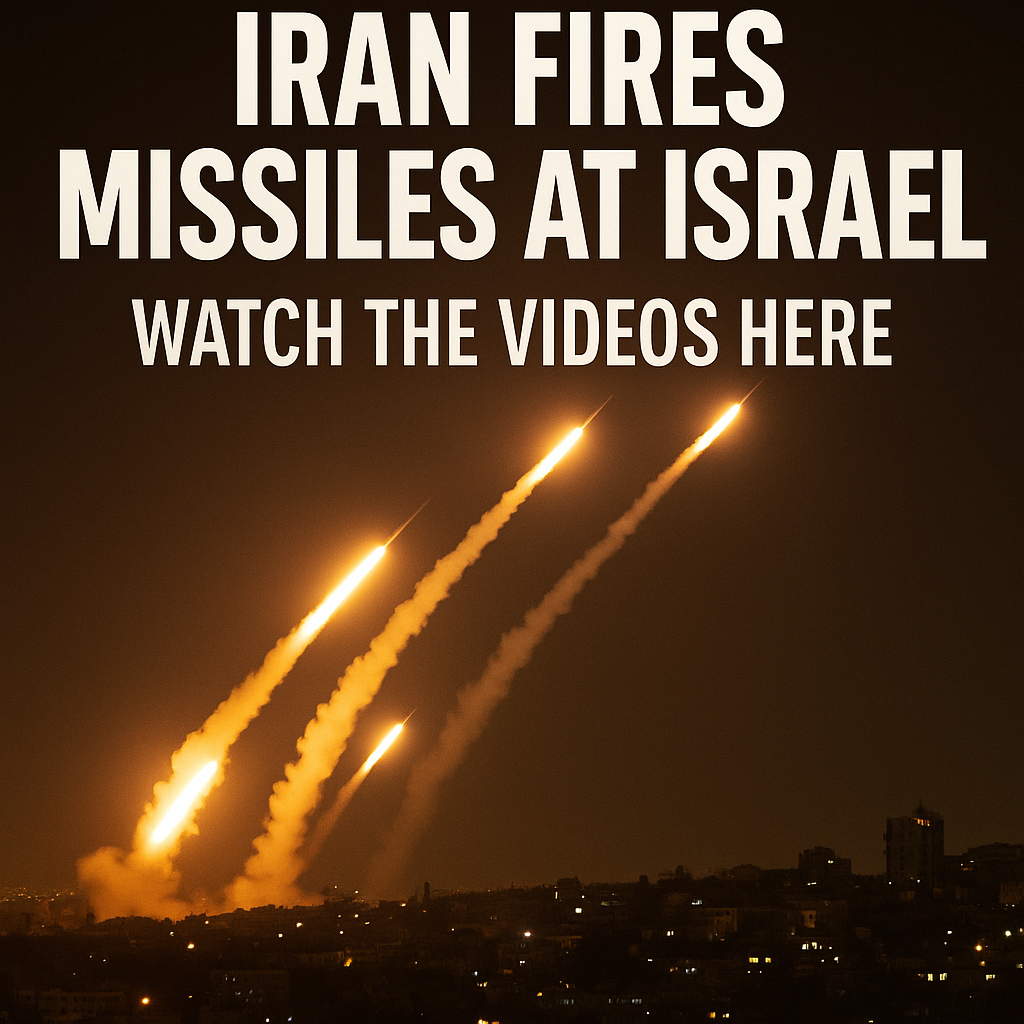
On a notable day in [date], Iranian military forces reportedly fired multiple missiles at what they described as Israeli targets. This action follows a long history of hostilities and mutual threats between the two countries. According to reports from RT, the attack was a direct response to perceived aggressions from Israel, particularly in relation to its operations against Iranian interests in Syria and its alleged support for anti-Iranian groups.


Videos circulating on social media show the aftermath of the missile strikes, which purportedly caused damage to military installations. Eyewitness accounts and analyses highlight that while these missiles may not have caused significant casualties, they serve a more significant purpose: sending a message of deterrence and defiance.


Context of Regional Tensions
The missile strike is just one episode in an ongoing saga of hostility marked by assassinations, airstrikes, and cyber warfare. Al Jazeera reported that this escalation comes amid fears of a broader conflict in the region, one that could involve various factions, including Hezbollah and other Iranian allies. Experts suggest that such military actions are often intended to reaffirm Iran’s military capabilities and deter perceived threats from Israel and its allies, particularly the United States.
Israel, for its part, has long maintained that it will not tolerate Iranian military entrenchment on its borders and has taken proactive steps to prevent any threats. This includes airstrikes on Iranian positions in Syria, emphasizing a strategy aimed at neutralizing potential threats before they materialize. The back-and-forth nature of these military strategies has often left civilians in neighboring regions caught in the crossfire, raising significant humanitarian concerns.
Divergent Perspectives on the Response
The response to Iran’s missile strikes has varied across different platforms and sources. Some analysts view the missile launch as a reckless escalation that could inadvertently introduce greater chaos into an already volatile situation. Critics argue that such military maneuvers lead to an arms race that undermines any diplomatic efforts to achieve long-term stability in the region.
Conversely, proponents argue that Iran’s actions are merely defensive, intended to protect its sovereignty against what it perceives as existential threats. The Iranian government has framed the missile strikes as a lawful exercise of its right to self-defense, citing real and ongoing aggressions from Israel and its allies.
Implications for the Future
What lies ahead for Iran and Israel remains uncertain. The potential for backlash is heightened, with both nations in a state of heightened alert. An escalation in military activities could prompt responses that include not just retaliatory strikes but also sanctions and international diplomatic movements aimed at managing the conflict.
International observers are keenly monitoring the situation, as any sustained military confrontation poses risks for broader regional stability. The global community continues to advocate for diplomatic solutions to channel tensions into dialogue rather than warfare. However, the entrenched positions of both Iran and Israel complicate these efforts, suggesting that the prospects for de-escalation remain tenuous at best.
Conclusion: A Complex Path Forward
As the situation evolves, one thing is clear: the Iran-Israel conflict is a multi-layered issue that requires nuanced understanding and careful consideration of diverse perspectives. While missile strikes may garner immediate attention and provoke swift responses, the underlying causes—historical grievances, territorial disputes, and external influences—continue to pose significant barriers to peace.
As we navigate this complex landscape, the importance of considering various viewpoints cannot be overstated. Understanding the motivations and fears on both sides could be key to identifying paths toward a more stable future in the region. The stakes are higher than ever, and the world watches closely as events unfold.