Iran-US Agreement: Israel’s Perspective Unveiled

Iran-US Agreement: Israel’s Perspective Unveiled
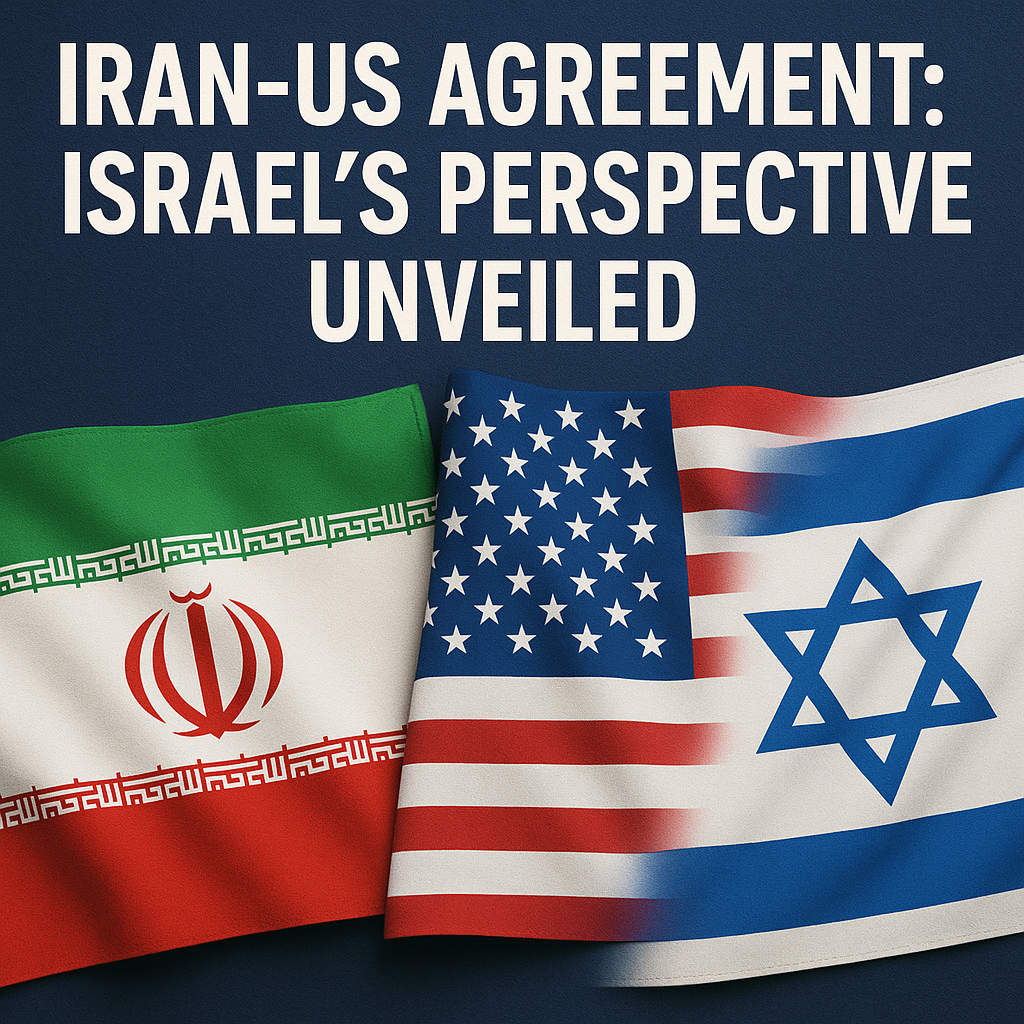
The Iran-US agreement has sparked significant discussions and intricate debates, particularly regarding its implications for Israel and the broader Middle East. Understanding Israel’s viewpoint is crucial to grasp the nuances of this diplomatic development and its potential impacts on regional stability.

Concerns about Regional Security
Israel’s leadership has expressed deep-seated concerns about the ramifications of any thaw in US-Iran relations. Many officials believe that a renewed agreement could lead to increased Iranian influence across the Middle East, particularly in Syria and Lebanon. Israel fears that this might embolden groups like Hezbollah and various militia factions in the region, which receive backing from Tehran.


In a recent commentary on Al Jazeera, analysts articulated that Israel perceives these negotiations as detrimental to its national security interests. They argue that any concessions made to Iran could be viewed as a green light for further aggressive actions in neighboring countries. The sentiment in some Israeli circles is that historical agreements with Iran have previously led to escalated tensions, and there’s skepticism about whether this new framework will be different.


Economic Implications and Stragic Calculus
Another layer to the Israeli perspective revolves around the economic implications of an Iran-US agreement. Should the agreement lead to sanctions relief for Iran, it could bolster Iran’s economy, allowing it more resources to fund its military and proxy operations. This potential for increased funding has led to anxiety among Israeli policymakers, who worry that a prosperous Iran might intensify threats not only against Israel but also against other nations that oppose Iranian influence.
Contrastingly, some analysts suggest that Israel might recalibrate its military strategy if the agreement creates a more stable regional environment. They argue that diplomatic engagement might provide an opportunity for Israel to foster relationships with its Arab neighbors, which could counterbalance Iranian influence more effectively.
Diverging Views Among Israeli Analysts
The Israeli public and political analysts display a spectrum of opinions regarding the Iran-US agreement. On one hand, hawkish elements in Israeli society are advocating for a hardline approach, urging military readiness and increased intelligence operations against Iranian maneuvers. This perspective often emphasizes historical grievances and perceived betrayals by past agreements.
On the other hand, more pragmatic voices argue for a proactive diplomatic stance that recognizes the complexities of geopolitical relations. They highlight the potential for a multi-faceted approach that may involve engagement with both the US and Iran. These analysts contend that isolating Iran further could lead to unintended consequences, including radicalization and instability that would ultimately jeopardize Israel’s security.
Conclusion: Navigating Uncertainties
The Iran-US agreement remains a contentious issue fraught with uncertainties. While Israel’s leadership perceives the potential for increased threats resulting from improved US-Iran relations, there are nuanced debates within the Israeli public and political landscape reflecting a range of strategic responses.
As the agreement continues to unfold, the focus for Israel will likely be on monitoring how these shifting dynamics affect regional stability. Israel’s concerns about a nuclear-armed Iran and regional empowerment will persist, ensuring that the conversation around this agreement remains complex, multifaceted, and essential to the future of Middle Eastern geopolitics.