Iran-US-Israel Relations: Understanding the Memorandum Misunderstanding

Iran-US-Israel Relations: Understanding the Memorandum Misunderstanding
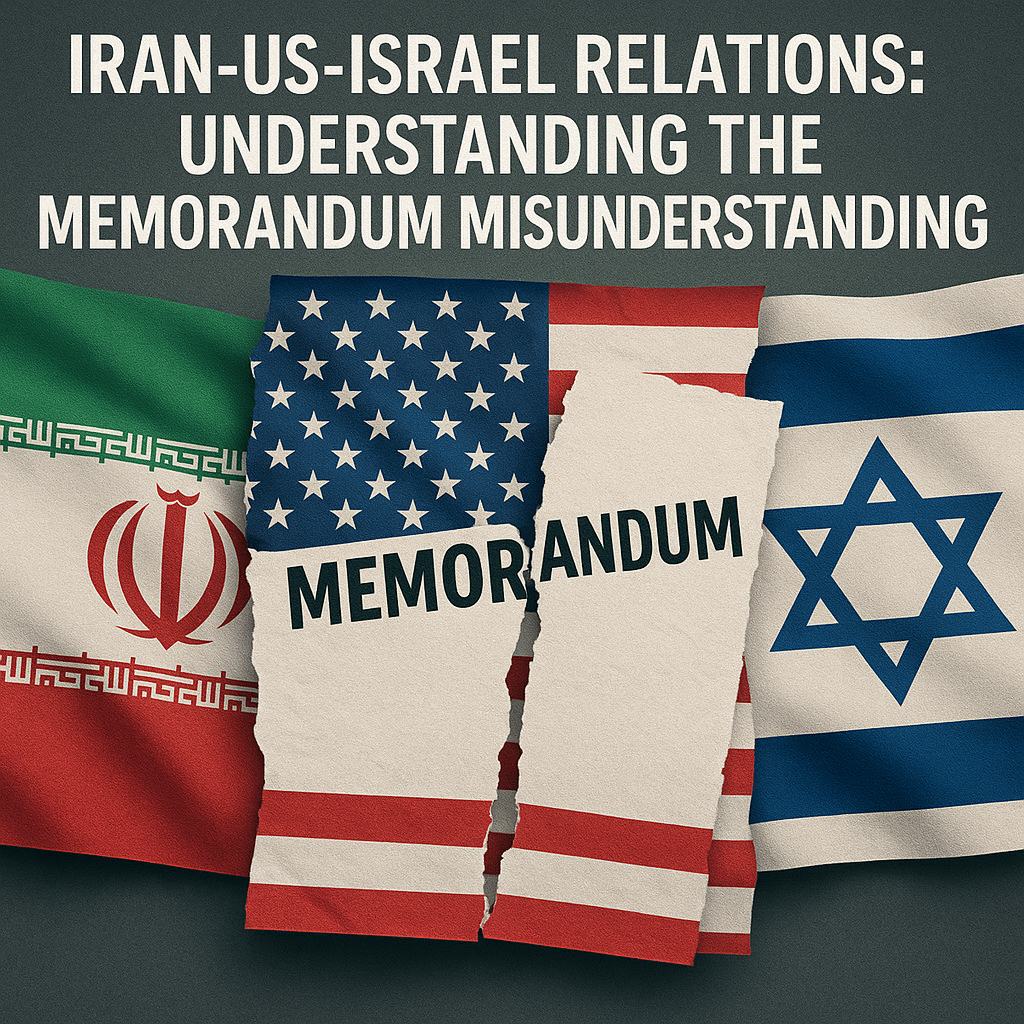
The intricate web of relations among Iran, the United States, and Israel has gained renewed attention due to a recent memorandum that has led to various interpretations and misunderstandings. This document represents a pivotal moment in international diplomacy, showcasing the complexities and ambiguities that often characterize geopolitical affairs in the region.

The Context of the Memorandum
To comprehend the significance of the memorandum, it is essential to look at the historical backdrop against which Iran, the U.S., and Israel interact. Relations between Iran and the U.S. deteriorated after the 1979 Islamic Revolution, leading to decades of hostilities. Meanwhile, Israel views Iran as a significant security threat due to its nuclear aspirations and regional influence.


The memorandum, as reported, appears to highlight the U.S. commitment to a peaceful solution regarding Iran’s nuclear program and to safeguard Israel’s national security. However, the language used within the document has sparked differing interpretations from various stakeholders. Signs of a potential U.S.-Iran dialogue have been interpreted optimistically by some while viewed with skepticism by others.


Differing Interpretations and Concerns
Optimistic Views on Diplomacy
Some analysts believe that the memorandum could pave the way for renewed negotiations. A report from Al Jazeera suggests that several key players are cautiously optimistic. They argue that the U.S. is signaling a willingness to engage in dialogue rather than outright confrontation, which could de-escalate tensions in the region. This line of thought hinges on the hope that through diplomatic channels, the long-standing narratives of animosity might give way to a new chapter in U.S.-Iran relations.
Moreover, proponents of this view argue that any shift toward dialogue could help stabilize Israel’s security concerns. As Israel has maintained a hardline stance against Iran’s nuclear activities, a perceived commitment from the U.S. to ensure Israel’s safety could act as a counterbalance that promotes a cautious approach rather than an aggressive posture.
Skepticism and Criticism
Conversely, skepticism surrounds the memorandum. Critics contend that previous agreements and commitments made by Iran have not been genuine, pointing to potential misinterpretations of the document’s intentions. Reports from outlets like RT emphasize that Iran’s past behavior indicates that they might exploit such negotiations for political leverage, rather than seek substantive change. Israel, feeling the pressures of an ever-evolving regional landscape, has responded with a mix of condemnation and wariness.
The harsh criticism from Israeli officials positions the memorandum as a risky gamble. They fear that U.S. diplomacy might result in further emboldening Iran, allowing it to expand its influence unchecked in the Middle East. This perspective highlights a significant divide, where Israel views security concerns as paramount, while some U.S. policymakers advocate for a more dialogue-driven approach.
Conclusion: Navigating Complexity and Uncertainty
In assessing the memorandum, one must recognize the complexities inherent in international relations. The divergent viewpoints reflect not only the historical mistrust among the countries involved but also the multifaceted nature of diplomacy itself. While some analysts champion the prospect of renewed dialogue, others remain firmly entrenched in skepticism based on historical precedents.
Ultimately, the path forward will require thoughtful navigation through a landscape filled with uncertainties. Understanding that this memorandum may serve as a catalyst for either conflict or cooperation is key. For now, the international community watches closely, realizing that much hangs in the balance as Iran, the U.S., and Israel grapple with the intricacies of their relationships.