Khamenei’s MoU Stance Sparks Debate in Iran-US Talks

Khamenei’s MoU Stance Sparks Debate in Iran-US Talks
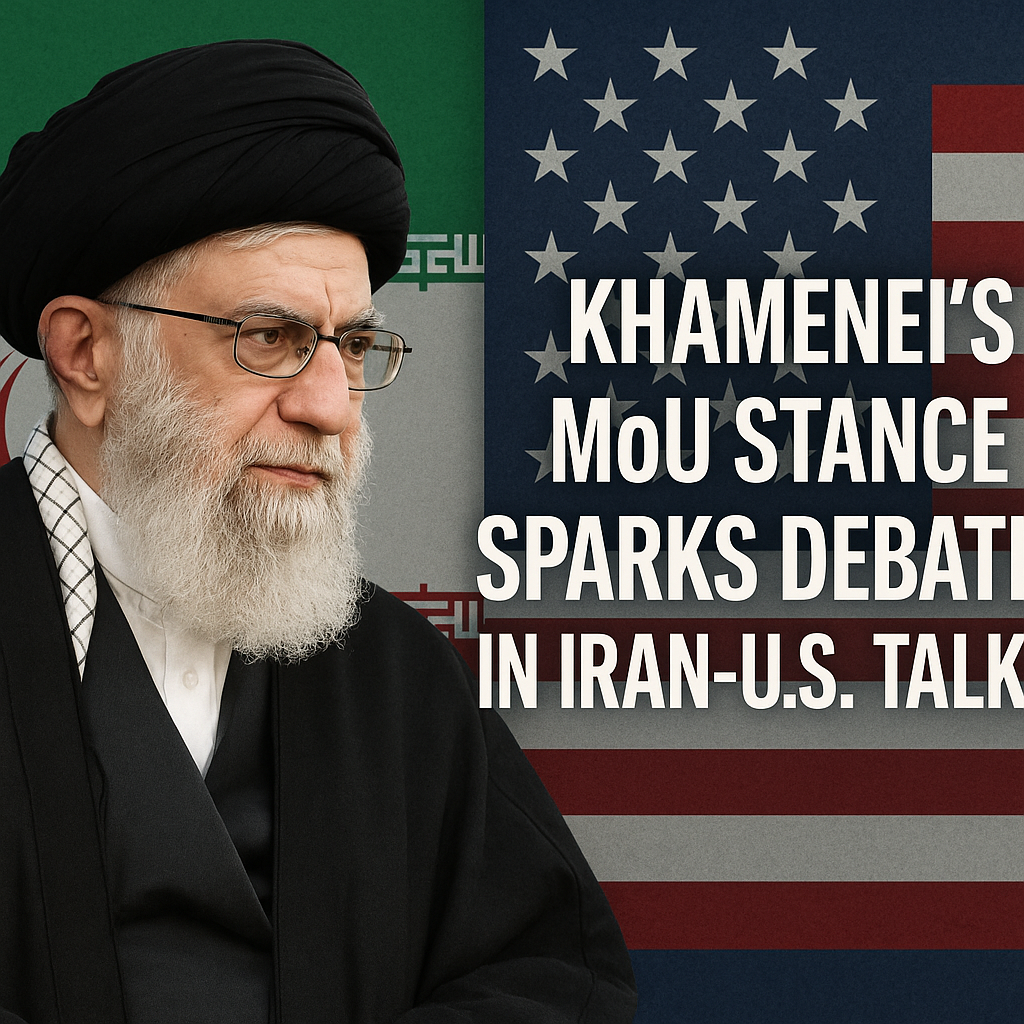
The recent stance taken by Iran’s Supreme Leader, Ayatollah Ali Khamenei, regarding the Memorandum of Understanding (MoU) has ignited considerable debate as Iran and the United States continue their dialogue in Switzerland. This pivotal moment in U.S.-Iran relations comes amidst an intricate landscape of nuclear negotiations, regional dynamics, and internal political pressures.

The Context of Khamenei’s Position
Khamenei’s position on the MoU can be extensively interpreted as a reflection of Iran’s broader strategic objectives. His insistence on guarantees for the lifting of sanctions speaks to a deep-seated mistrust of U.S. commitments. Analysts from Al Jazeera noted that Khamenei’s caveats are not merely procedural; they underscore the historical events that have shaped Tehran’s diplomacy. The fear of a repeat of past agreements failing, similar to the U.S. withdrawal from the Joint Comprehensive Plan of Action (JCPOA) in 2018, looms heavily over negotiations.


From another perspective, Russian state media, such as RT, expressed concerns that Khamenei’s strict conditions may undermine the potential for meaningful dialogue. Citing preliminary assessments from the ongoing talks, they warn that such a hardline stance could complicate the already fragile negotiations. By insisting on unprecedented guarantees, Khamenei risks alienating potential allies both within Iran and among external stakeholders who view flexibility as essential for breakthroughs.


<h3.Reaction and Prognosis of the Talks
Responses within Iran to Khamenei’s stance vary widely, reflecting the complex internal political landscape. Several proponents of reform argue that a more conciliatory approach could yield significant economic benefits for the country, suggesting that the Supreme Leader’s rigid position might hinder practical resolutions. In contrast, hardline factions applaud his approach, advocating for a more cautious engagement with the West.
Internationally, commentators remain divided on the implications of Khamenei’s stance. Some view it as a necessary prerequisite for any deal, emphasizing the need for Iran to ensure its national interests are protected. On the flip side, skeptics point to the possibility that excessive demands could lead to deadlock, as noted by several analysts in reports from Sky News. The delicate balance of power and the competing interests at play highlight the unpredictability of the negotiations.
The talks in Switzerland thus represent not just a dialogue about nuclear capabilities but also a window into the evolving geopolitical landscape that includes U.S. strategic interests, regional security concerns, and Iran’s quest for legitimacy on the world stage. The international community, particularly European powers involved in the negotiations, continue to urge both sides towards compromise.
In conclusion, Khamenei’s MoU stance encapsulates the complexities of Iran-US relations and the intricate dance of diplomacy. As talks progress, the ongoing tug-of-war between hardliners and reformists within Iran could either facilitate a breakthrough or lead to a stalemate. The outcome remains uncertain, but it is clear that the world will be watching closely as further developments unfold.