
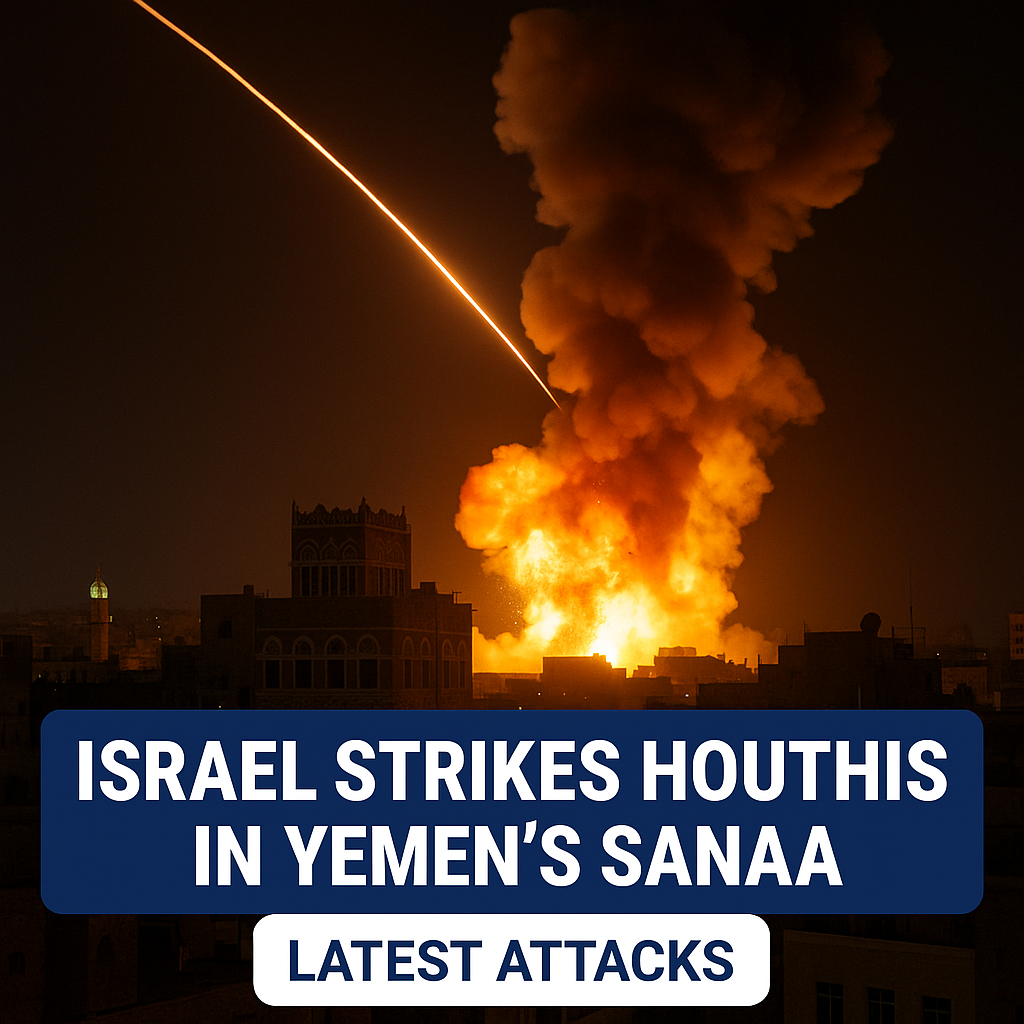
Israel Strikes Houthis in Yemen’s Sanaa: Latest Attacks

Israel Strikes Houthis in Yemen’s Sanaa: Latest Attacks
In recent developments, Israel has launched a series of airstrikes targeting Houthi positions in Yemen’s capital, Sanaa. This unprecedented military action has ignited intense discourse surrounding regional stability and the complexities of the broader Middle East conflict.

The Context of the Attacks
The backdrop to these airstrikes lies in an emboldened Houthi presence in Yemen and its increasingly vocal stance against what they perceive as external aggression. The Houthis have been recognized as a proxy force for Iran, a connection that has raised red flags for Israel, particularly in light of shared security concerns among Gulf states and the Jewish state itself.


Reports indicate that the Israeli government views this military engagement not only as a defensive move but also as a signal to Tehran. In a recent statement, an Israeli official emphasized, “These strikes are aimed at disrupting the operational capabilities of those who threaten our security.” This sentiment reflects a broader strategy wherein Israel seeks to diminish Iranian influence across the region, particularly in light of the Houthis’ advanced missile technologies.


Conversely, the Houthis condemned the strikes as “acts of aggression,” pledging to retaliate. A spokesperson declared, “We will respond decisively to any attacks against our sovereignty.” This escalation is fraught with meaning as it potentially invites further involvement from Iranian support for the Houthis, complicating an already tense situation.
Implications for Regional Stability
The ramifications of Israel’s strikes extend far beyond Yemen’s borders. As countries within the Middle East grapple with their own geopolitical challenges, the possibility of the conflict escalating into a broader confrontation looms large. Analysts fear that Iranian support for the Houthis could lead to a tit-for-tat dynamic that engulfs neighboring nations.
– Military Escalation: The strikes could provoke retaliation not just from the Houthis but could lead to a wider confrontation involving Iran and potentially other regional actors.
– Diplomatic Relations: Relations between Israel and several Gulf states that have normalized ties with it could be tested as these nations navigate how to respond to each new wave of violence.
– Humanitarian Crisis: Yemen is already in the grip of one of the world’s worst humanitarian crises, exacerbated by continuous conflict. Israeli strikes could further impede aid efforts and worsen conditions for civilians.
Divergent Perspectives on the Situation
The discourse surrounding Israel’s actions is polarized. Proponents argue that these strikes are a necessary step in curbing Iranian influence and ensuring national security. They point to the Houthis’ missile capabilities and the potential threat they pose to Israeli territory as justified grounds for intervention.
However, critics argue that such military actions might escalate the conflict, leading to unintended consequences. They emphasize that striking in a country that is already suffering from a humanitarian disaster does nothing to promote peace and stability. In the words of one analyst, “Israel’s actions might very well backfire, increasing hostilities and failing to achieve long-term strategic goals.”
Ultimately, opinions diverge sharply on whether these strikes will stabilize the region or fuel further conflict. While Israel’s security concerns are legitimate, the broader question remains whether military might can effectively counteract deep-rooted geopolitical tensions.
The Road Ahead
Looking forward, it is crucial for all involved parties to tread carefully. Diplomacy may provide a more sustainable path toward regional peace than military escalation. Analysts suggest that opening channels of communication may de-escalate tensions and create opportunities for collaboration in addressing shared security threats.
The potential for dialogue, especially in contexts where multiple interests converge, remains significant. Countries like Saudi Arabia and the UAE, which have been directly involved in the Yemeni conflict, may serve as pivotal players in mediating future discussions between Iran and Israel.
Conclusion
Israel’s strikes against the Houthis in Sanaa mark a critical moment in Middle Eastern geopolitics. The complexity of rooting out threats in a region fraught with instability requires nuanced understanding and caution. As the situation unfolds, the potential for escalation into broader conflict remains a pressing concern.
As stakeholders navigate this precarious landscape, the global community must not only keep a watchful eye but also advocate for diplomatic solutions, striving for a more secure and stable future for all nations involved. The consequences of these actions may reverberate far beyond the immediate military objectives, shaping the geopolitical landscape for years to come.















