Lebanon: Israel’s New Economic Playground, Says Minister

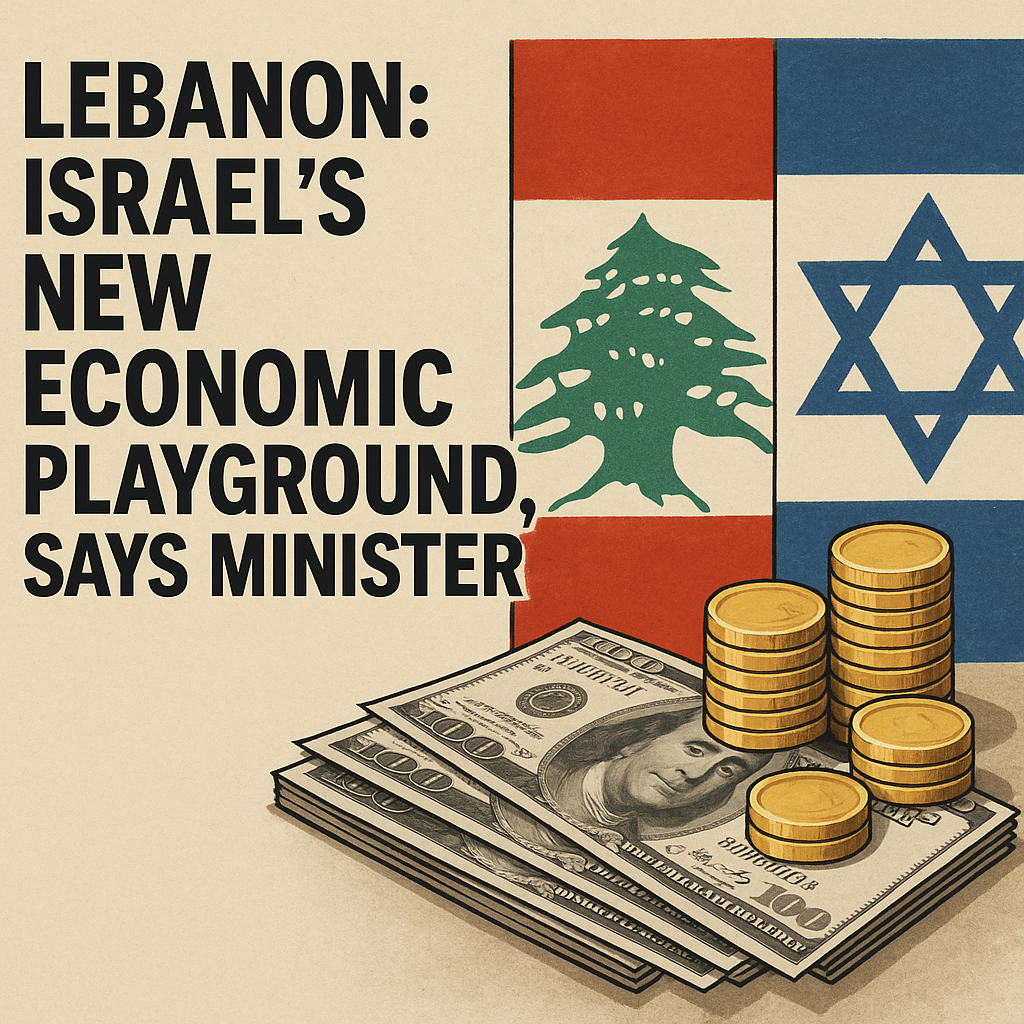
Lebanon: Israel’s New Economic Playground, Says Minister
Recent comments from Lebanese Minister of Economy and Trade Amin Salam have ignited discussions about the potential economic benefits Lebanon might gain from renewed ties with Israel. Amid decades of conflict and political strife, the notion that Lebanon could find new economic opportunities in what Salam described as “Israel’s new economic playground” raises questions about both feasibility and implications for regional stability.

The Economic Context
Lebanon’s economy has been in turmoil for over three years, exacerbated by the 2019 financial crisis, the Covid-19 pandemic, and the aftermath of the Beirut port explosion in 2020. These compounded crises have led to soaring inflation, a plummeting currency, and increasing poverty levels. Salam’s remarks suggest a transformation in Lebanon’s approach, potentially opening the door to collaboration with its historical rival, Israel.


However, this stance is not uniformly welcomed in Lebanon. Many political factions, particularly those aligned with Hezbollah, view any overture toward Israel with skepticism or outright hostility. Hezbollah’s position is rooted in long-standing animosities and aligns with the sentiments of many Lebanese citizens who remain wary of engaging economically with an adversary responsible for numerous military confrontations.


Diverging Perspectives
While Salam paints a picture of economic partnership leading to stability and growth, critics argue that such alliances may come with strings attached. Historical context is crucial here; the normalization of relations in the Middle East has often depended on broader geopolitical maneuvers. For instance, analysts warn that any effort towards economic cooperation could be thwarted by ongoing territorial disputes or military aggression, which have historically characterized Israeli-Lebanese relations.
A recent report by Al Jazeera highlighted the precariousness of Lebanon’s situation, noting that for cooperation to work, a significant shift in public sentiment would be necessary. The Lebanese populace remains divided, with a substantial majority opposing normalizing ties with Israel due to the lingering effects of wars and regional conflicts.
Potential Benefits and Risks
Prospects for Growth:
1. Investment Opportunities:
Lebanon may attract foreign investors looking to engage in a region ripe for development. With Israel’s advanced tech sector, collaborative efforts could ignite economic growth.
2. Tourism:
Opening borders could enhance tourism, with both nations benefiting from increased travel and cultural exchanges.
3. Energy Resources:
Lebanon sits in a region rich in gas reserves. Collaboration with Israel in this sector could pave the way for energy independence and economic stabilization.
Risks:
1. Political Backlash:
Salam’s comments could incite fury among nationalist groups in Lebanon, potentially leading to increased political instability.
2. Security Concerns:
Any economic partnership could provoke retaliatory measures from factions opposed to peaceful engagement with Israel, jeopardizing the fragile security situation.
3. Dependency Issues:
Engaging with Israel economically can lead to a dependency that may compromise Lebanon’s agency in regional matters.
The Road Ahead
In light of these intricate factors, the path forward for Lebanon’s economy remains steeped in uncertainty. The dual narrative emerging from different political and public standings highlights a broader debate about national identity, economic necessity, and historical grievances. Salam’s vision, while pragmatic, must navigate a labyrinth of economic aspiration and political realism.
Lebanon’s economic future may hinge on its ability to foster alliances, but that requires overcoming deep-seated fears about Israel. The reality may be that the potential economic gains postulated by Salam could find themselves overshadowed by political realities and public sentiment that continue to favor resistance over reconciliation.
As discussions unfold, both Lebanon and Israel may find themselves at a crossroads, balancing the prospects of economic collaboration against the backdrop of a complex, fraught historical context. The unfolding narrative will undoubtedly draw on both economic imperatives and the deeply entrenched political landscape that defines relations in this volatile region.