Netanyahu: Shaping Modern Israel for 30 Years

Netanyahu: Shaping Modern Israel for 30 Years
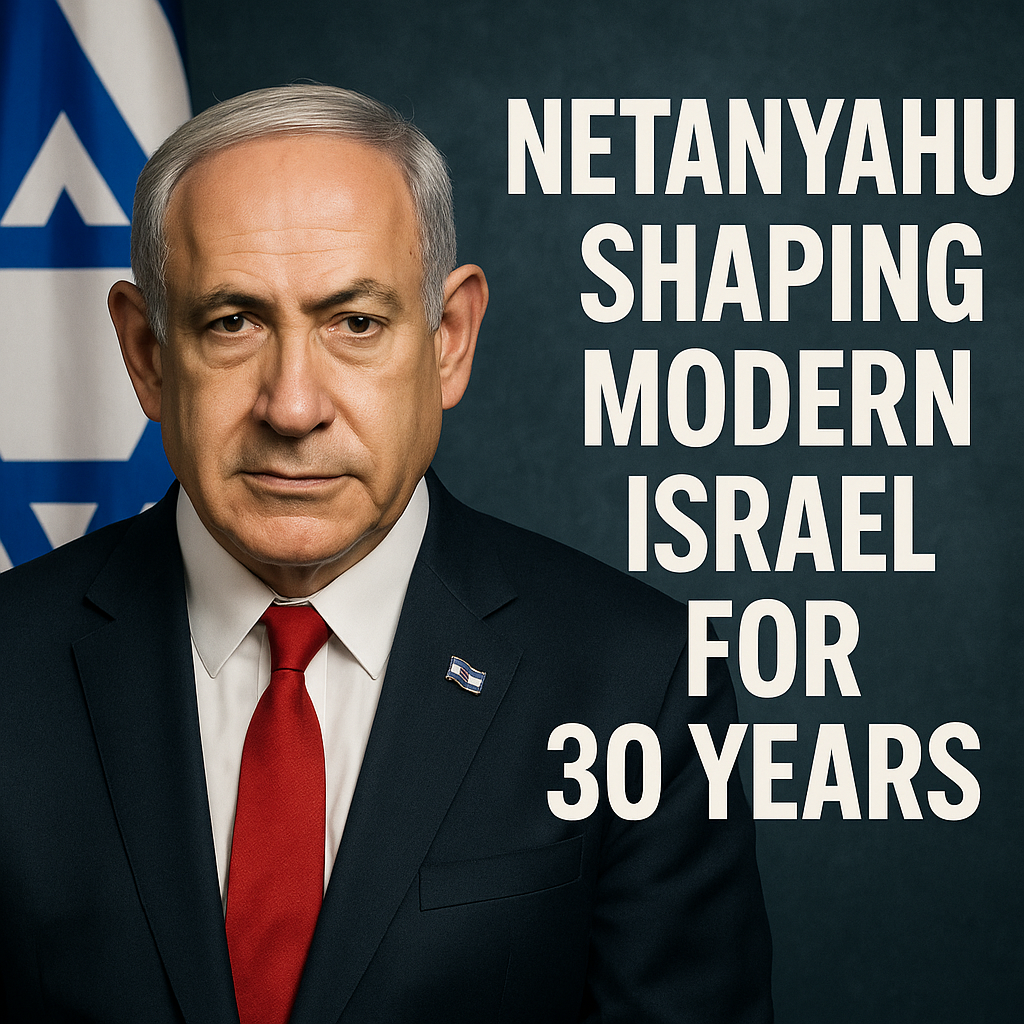
Benjamin Netanyahu has been a dominant figure in Israeli politics for three decades, profoundly influencing the nation’s direction, challenges, and international standing. His tenures as Prime Minister reflect a complex interplay of political strategy, national security concerns, and evolving socio-economic landscapes. Understanding Netanyahu’s impact requires examining his policies, choices, and the shifting perceptions of his leadership.

A Legacy Marked by Security and Diplomacy
Netanyahu’s security doctrine has been a bedrock of his political identity. Throughout his time in office, he has positioned Israel as a staunch defender against regional threats, especially from Iran and militant groups in Gaza. Throughout various reports, Netanyahu’s focus on military strength is evident, underlined by his aggressive posturing toward Iran, which he frequently labels as Israel’s primary existential threat.


His administration has not solely relied on military prowess; Netanyahu has also engaged in diplomatic efforts that have reshaped Israel’s relationships with neighboring countries. The 2020 Abraham Accords, which normalized relations between Israel and several Arab nations, mark a significant diplomatic achievement. Analysts suggest this moment was not only a strategic victory but also a pivot in regional politics, allowing Israel to forge alliances that were once deemed impossible.


However, this approach to diplomacy has drawn criticism regarding the treatment of Palestinians and the perpetuation of a status quo that many argue inhibits lasting peace. Critics highlight that while Netanyahu advocates for security, his policies often sideline initiatives geared toward a two-state solution. Reports from diverse sources highlight the frustrations among Palestinians as they see little progress toward their aspirations amidst ongoing settlement expansions and military operations.
Economic Policies and Domestic Challenges
On the economic front, Netanyahu has championed market-oriented reforms that have spurred growth in various sectors, including technology and innovation. Under his leadership, Israel has become a global startup hub, attracting significant foreign investment. His proponents argue that these economic policies have helped Israel emerge resilient, particularly during global downturns.
Despite these achievements, economic inequality has risen, leading to widespread protests and discontent within segments of the Israeli population. Reports indicate that soaring living costs and housing shortages have exacerbated social divides, raising questions about whether Netanyahu’s economic policies have adequately addressed these pressing issues.
As public dissatisfaction grows, protests have become a regular feature of Israeli life, with citizens demanding accountability and tangible improvements to their quality of life. The protests reflect a broader sentiment among many Israelis that their government, under Netanyahu, has been more focused on national security than on domestic issues that affect everyday life.
The Path Forward: Netanyahu’s Future and Israel’s Challenges
As Netanyahu navigates a complex political landscape, his recent coalition strategies indicate a willingness to adapt to changing sentiments. However, his ability to maintain a stable governance structure remains in question, especially given the fragmented nature of Israeli politics.
The tension surrounding his government is palpable, as he faces challenges both from within his coalition and from an increasingly mobilized opposition. Reports suggest that while Netanyahu’s political instincts have historically enabled him to remain in power, the dynamics of public opinion and shifting societal values could complicate his tenure going forward.
Moreover, his legacy in shaping modern Israel cannot be isolated from the broader context of global events. As the world grapples with geopolitical shifts, including relations with the United States and responses to Russia’s actions in Ukraine, Netanyahu’s administration will need to forge a nuanced approach that balances both international expectations and domestic pressures.
In conclusion, Benjamin Netanyahu’s three-decade influence on Israel demonstrates a blend of both accomplishments and challenges. His focus on security and economic growth has contributed to a robust national reputation, yet unresolved social issues and the ongoing plight of Palestinians continue to cast a shadow over his leadership. As Israel faces a rapidly changing geopolitical landscape, the question remains: what balance will Netanyahu strike between security, diplomacy, and the pressing call for social equity? The answers may determine not only his legacy but also the future trajectory of Israeli society.