
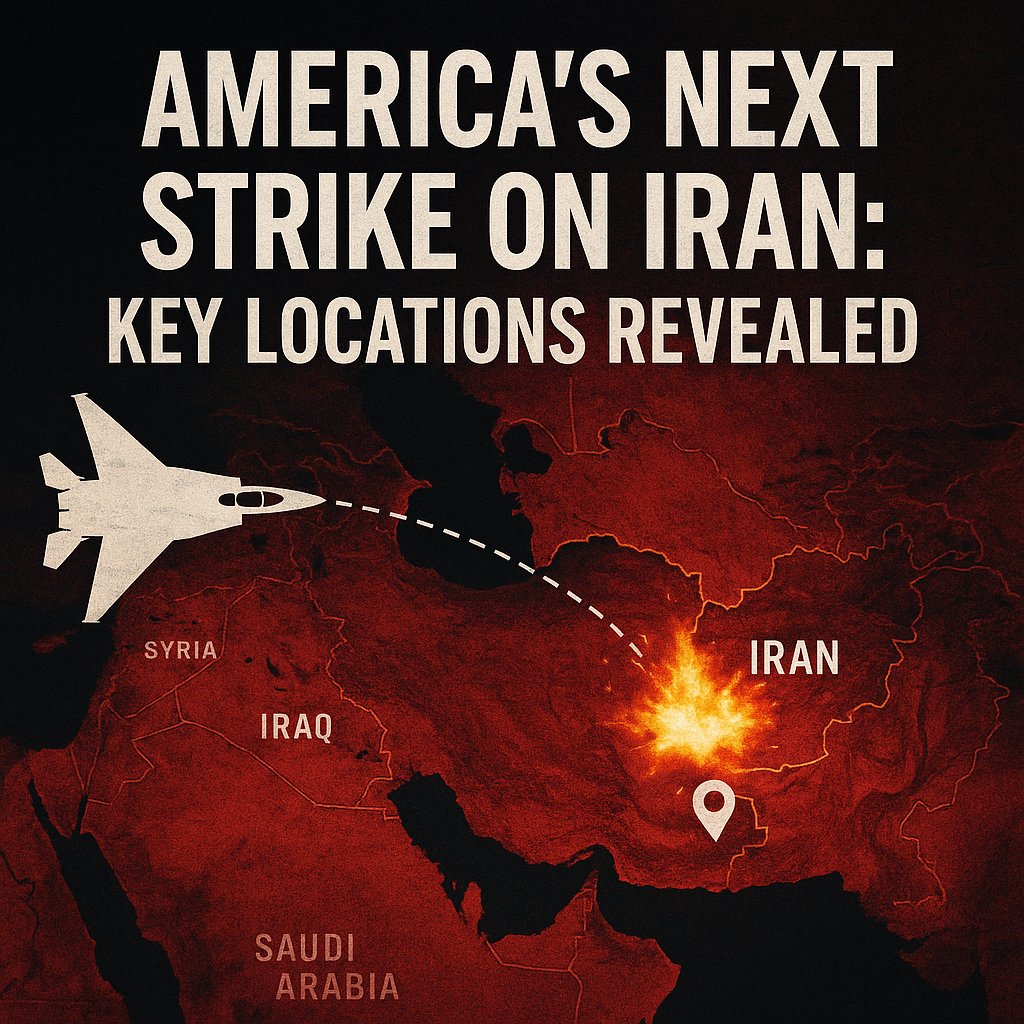
America’s Next Strike on Iran: Key Locations Revealed
America’s Next Strike on Iran: Key Locations Revealed
As tensions escalate in the Middle East, recent news suggests that America’s military strategy regarding Iran is evolving, with critical locations identified as potential targets for future strikes. Various reports indicate that the U.S. is not only preparing for military actions but is also establishing a narrative around the justification for these operations. The complex geopolitical landscape surrounding Iran requires careful examination of both the proposed strategies and the underlying motivations.

Strategic Locations for Potential Military Action
Recent insights from multiple sources highlight several strategic locations that may be on the U.S. military’s radar for airstrikes or other forms of military engagement. The RT article identifies military installations in central and southwestern Iran as high-priority targets, primarily due to their strategic significance in Iran’s defense infrastructure. These locations, equipped with missile launch sites and command centers, could be pivotal in any military confrontation.

Conversely, coverage from Al Jazeera emphasizes the importance of the regional implications of such strikes. They argue that targeting these locations could lead to a significant escalation in retaliatory actions from Iran, not just against American interests, but also against U.S. allies in the region. The network’s insights highlight that the geographical and political complexities of Iran’s relationships with neighboring countries—such as Iraq and Syria—further complicate any potential military engagements.

Motivations Behind U.S. Military Strategy
The motivations driving a potential U.S. strike on Iran are multifaceted and merit thorough analysis. According to some analysts, the Biden administration seeks to reassert America’s influence in the Middle East following a perceived withdrawal that characterized the previous administration. In doing so, the administration may be motivated by a desire to counteract Iran’s growing influence in the region, particularly regarding its nuclear ambitions and its support for militant groups.
Moreover, a report from Sky News indicates a shift in public sentiment concerning Iran, with increasing calls for a robust response to perceived threats. This sentiment could provide a political backdrop that makes military action more palatable to both lawmakers and the public. However, this position is not universally accepted; critics argue that any military engagement could exacerbate existing tensions and provoke wider conflict.
The Risk of Escalation and Unintended Consequences
Experts warn of the potential ramifications that American military action against Iran could unleash, including regional destabilization and increased anti-American sentiment. The Al Jazeera report points out the delicate balance of power in the Middle East, where one military strike could set off a chain reaction of violence, targeting U.S. interests and allies. Such an outcome raises concerns about the long-term efficacy of strikes, suggesting that while tactical advantages may be gained, the strategic landscape could worsen dramatically.
Additionally, the prospect of civilian casualties adds another layer of complexity to the discussion. As past experiences in conflicts like Iraq and Afghanistan have shown, any military action that results in civilian harm can incite backlash and undermine U.S. objectives. Critics of military action emphasize that diplomatic avenues should be pursued before resorting to force, advocating for thorough deliberation regarding the potential consequences.
Conclusion: Navigating Complex Geopolitical Waters
The situation regarding America’s possible future strikes on Iran reflects the broader intricacies of global politics. With strategic locations identified and varied motivations at play, the prospect of military engagement introduces uncertainties that should not be overlooked. Analysts suggest that the U.S. must carefully weigh its options, considering both immediate objectives and long-term implications.
As discussions about military strategy continue, a responsible approach calls for transparency and caution. With Iran possessing various geopolitical alliances and the possibility of retaliation looming large, any military action could fundamentally alter the dynamics of power in the region. The American public and international observers alike should remain vigilant as developments unfold, keeping an eye on how the balance between diplomacy and militarism shapes future actions.















