
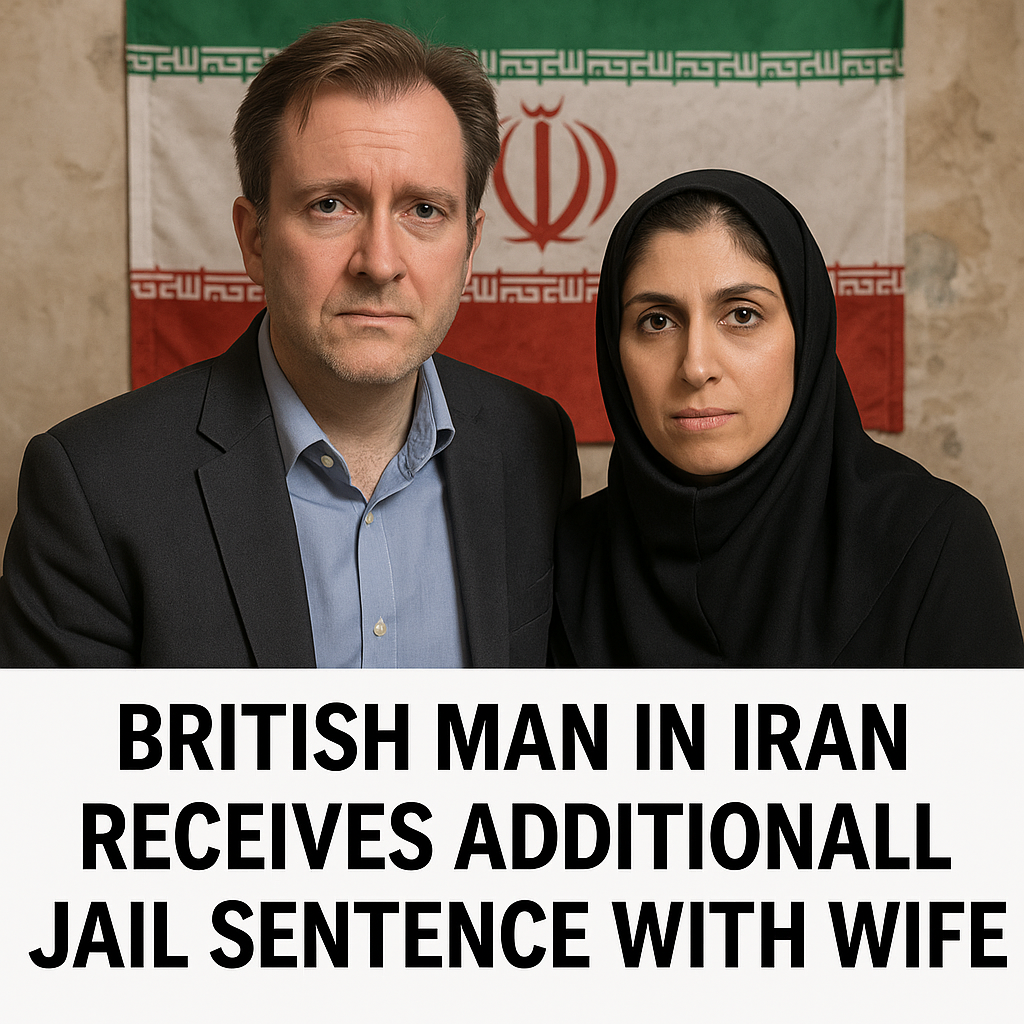
British man in Iran receives additional jail sentence with wife
In recent developments, a British man imprisoned in Iran, alongside his wife, has faced an additional jail sentence, drawing international concern and spotlighting the complex nature of political detentions in the country. This situation has not only stirred emotions but also raised questions regarding diplomatic relations and human rights.

Growing Concerns Over Imprisonment
The plight of the couple, identified as a British-Iranian, has captured global attention. Reports indicate that the man has been sentenced to an additional eight years in prison, a significant extension from his original sentence. According to the couple’s family, this new ruling appears to be a punitive measure in response to their international advocacy and public outcry regarding their unjust detention.

Both Sky News and Al Jazeera aligned on the view that the British man’s extended sentence reflects a worrying trend of Iran using detainees as leverage in geopolitical negotiations. Sky News elucidates that this additional sentence follows a pattern of similar cases in which Iranian authorities seem to assert control over foreign nationals. Local sources indicate that the couple had been engaging with various international governmental bodies about their cases, which might have exacerbated their situation.

The Diplomatic Implications
As tensions escalate between Iran and Western nations, particularly the UK, the new developments surrounding the British detainee’s imprisonment could have significant ramifications for diplomatic relations. The UK government has expressed its deep concern over the treatment of its nationals in Iran. Recent statements from government officials emphasize the importance of securing the release of these individuals and denounce any actions that appear to violate human rights.
However, contrasting perspectives emerge regarding the effectiveness of diplomatic pressure. Some analysts argue that Iran might see such diplomatic endeavors as interference, further motivating them to escalate punitive measures against detained foreign nationals. This sentiment is echoed in various reports, suggesting that Iran’s government may use imprisonment as a way to assert its sovereignty and resist external influence.
The Human Rights Dimension
The human rights implications of this case are profound. Numerous organizations advocating for prisoners’ rights and justice have rallied to bring attention to the oppressive nature of Iran’s legal system. Various human rights groups argue that trials in Iran often lack transparency and fail to meet international standards of fairness. The additional sentences meted out in these instances only underline the precarious situation faced by foreign nationals in Iran.
Furthermore, the notion that detained individuals are frequently subjected to harsh treatment has been supported by human rights advocates. They contend that these prisoners are not merely bargaining chips, but human beings subjected to potential mistreatment. This presents a moral dilemma for governments worldwide: how to balance the pursuit of justice for their citizens with the diplomatic intricacies of engaging with Iran.
Conclusion: Uncertain Path Ahead
The case of the British man and his wife in Iran is emblematic of broader issues at play, including geopolitical tensions, human rights violations, and the complexities of international diplomacy. As this situation unfolds, the lack of clear resolutions or consensus reflects the challenges faced by foreign governments advocating for their citizens. The uncertainty of their condition and future continues to evoke strong emotions among their families and supporters, sparking ongoing dialogues about the nuances of diplomacy and human rights advocacy in an increasingly complicated global landscape.
The international community watches closely, hoping that diplomatic efforts can lead to a resolution while highlighting the need for systemic reforms within Iran’s justice system. As the couple’s plight becomes a larger symbol of the struggle for human rights, it stresses the necessity for a more comprehensive approach to foreign nationals detained for political reasons.















