
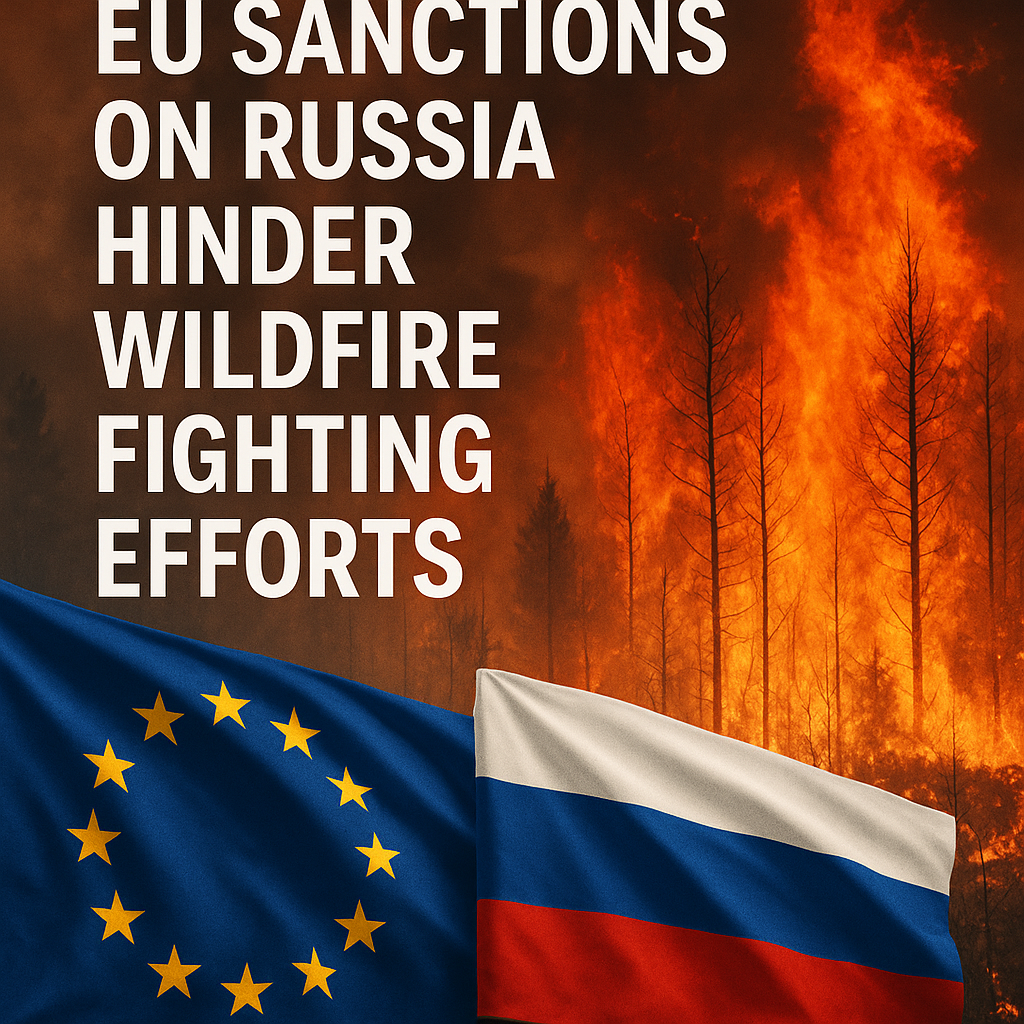
EU Sanctions on Russia Hinder Wildfire Fighting Efforts
EU Sanctions on Russia Hinder Wildfire Fighting Efforts
As wildfires rage across parts of Europe, the impacts of EU sanctions on Russia are becoming increasingly evident. These sanctions, originally imposed in response to Russia’s actions in Ukraine, are now being scrutinized for their unintended consequences on firefighting resources in countries like Spain.

The Complexity of Sanction Effects
In Spain, the Iberian Peninsula is grappling with unprecedented wildfires, exacerbated by extreme weather conditions. This catastrophic situation has been met with a desperate need for firefighting aircraft, many of which are manufactured in Russia. The sanctions have complicated the procurement of essential firefighting resources, which are crucial for battling these natural disasters. The Spanish government has expressed frustration, highlighting that the sanctions not only target Russian governmental interests but also drastically limit access to specific equipment and support needed for emergency response.

The situation reflects a broader tension within the EU’s approach to sanctions. While they are designed to penalize Russia and deter aggression, the ramifications can extend far beyond their intended targets, significantly complicating the ability of nations like Spain to safeguard their citizens from environmental disasters. This raises the question: Are EU sanctions inadvertently hindering member states’ capacity to respond effectively to crises?

Diverging Viewpoints on the Sanctions
While some advocate for a reassessment of the sanctions in light of their impact on wildfire response efforts, others defend the necessity of maintaining firm stances against Russia. Proponents of the sanctions argue that any relaxation might undermine the EU’s unity and diminish the pressure on Russia. They contend that the need for effective responses to wildfires, although critical, should not overshadow the importance of strategic geopolitical postures.
Conversely, organizations directly involved in firefighting and climate response are calling for a nuanced approach. The Spanish National Firefighters’ Union has voiced concerns that delays and difficulties in securing necessary equipment due to sanctions not only prolong the duration of wildfires but ultimately threaten lives and property. Furthermore, experts in environmental policy argue that the current punitive measures could lead to longer-term ecological damage, overshadowing the sanctions’ primary objective of promoting geopolitical stability.
Navigating the Fine Line
The conflict between geopolitical integrity and environmental protection showcases the complexity of modern diplomacy. The wildfires igniting across Europe serve not just as a backdrop for the immediate crisis but as a stark illustration of how international policies can create pressures domestically.
As the EU grapples with its approach to sanctions, it must also consider the specific context of each member state’s needs. For Spain, the timing and effectiveness of these sanctions may necessitate a reconsideration of how they are implemented, especially regarding crucial emergency supplies. The challenge lies in developing policies that support both the geopolitical objectives of EU governance and the urgent humanitarian needs presented by natural disasters.
Conclusion
The dilemma surrounding EU sanctions on Russia highlights a significant intersection of environmental urgency and geopolitical strategy. The complex ramifications of the sanctions call for a thoughtful dialogue among EU leaders, balancing the need to maintain a strong stance against aggression while ensuring that member states have the flexibility to respond to domestic crises effectively. As climate change continues to escalate wildfires and other natural disasters, the importance of accessible resources for firefighting cannot be overstated. The evolving scenario presents an opportunity for the EU to refine its policies and strategies, ensuring they are not at odds with the urgent needs of its member countries.















