German Energy Crisis: ‘Lack of Russian Gas’ Impact Explained
Understanding the German Energy Crisis: The Impact of a Lack of Russian Gas
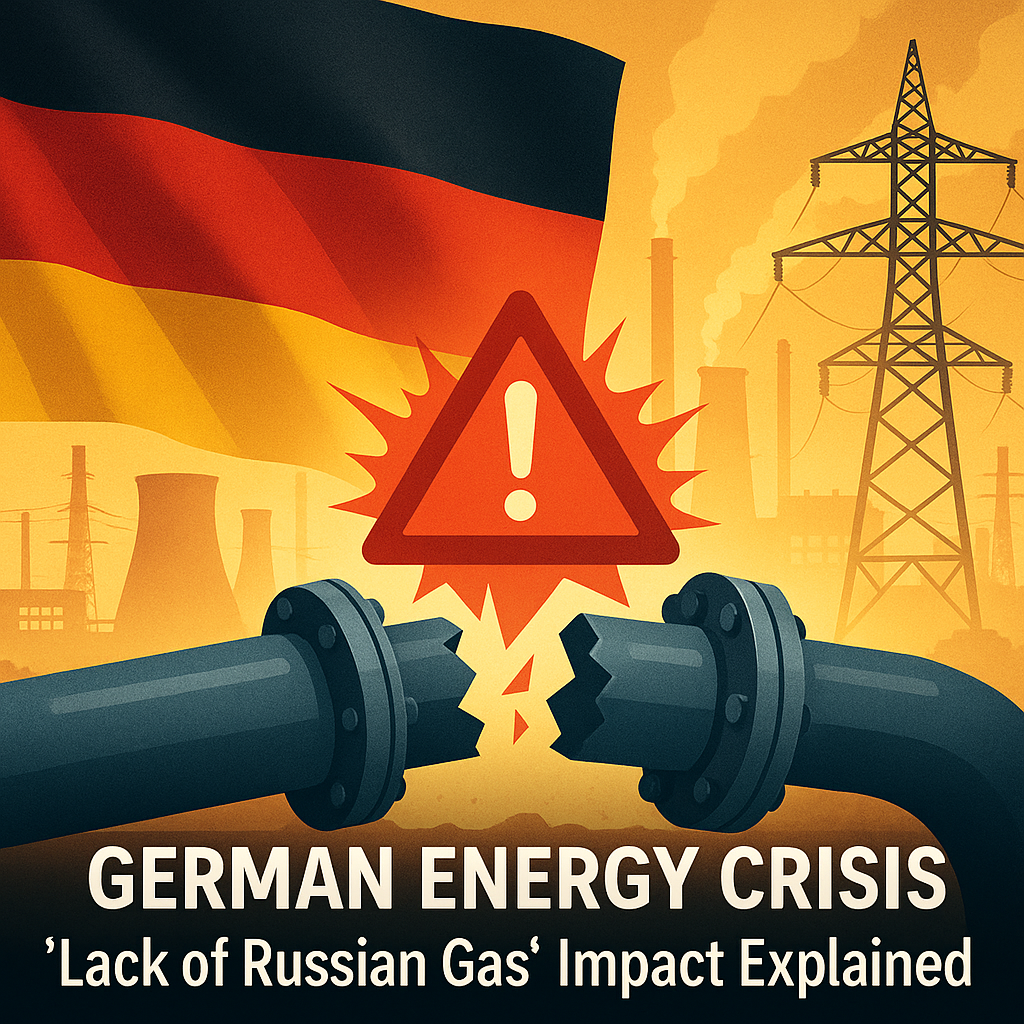
The ongoing German energy crisis has become a critical topic, particularly in light of the diminishing flow of Russian gas. The effects of this crisis are profound, spanning economic, social, and geopolitical dimensions. As Europe grapples with energy supply challenges, Germany, a nation heavily reliant on Russian gas, faces significant hurdles that warrant careful examination.

The Dependency Dilemma
For decades, Germany has been one of the largest consumers of Russian gas, with this energy source accounting for nearly 55% of its imports prior to the Ukraine conflict. The reliance has not merely been about supply; it has been tied to economic strategy, enabling Germany to maintain a competitive edge in manufacturing and infrastructure development. However, the invasion of Ukraine has dramatically shifted the landscape, prompting sanctions and supply cuts that have left Germany scrambling for alternatives.

As reported by Al Jazeera, the European gas market has been deeply affected, with prices soaring due to the reduced flow of Russian gas. This has led to a cascading effect not only on energy prices but also on overall inflation rates. Many industries are bracing for potential shutdowns or reduced output, which could lead to job losses and economic contraction in one of Europe’s largest economies.

Shifting Strategies: Alternatives and Challenges
In response to the energy crunch, Germany has initiated a multi-faceted strategy to mitigate the impact of reduced Russian gas imports. Diversification of sources has become a primary focus, aiming to enhance energy security. According to Sky News, Germany is increasing its liquefied natural gas (LNG) imports from alternative suppliers such as the United States and Qatar. This pivot, while necessary, comes with its own set of challenges, including higher transportation costs and limited infrastructure for rapid expansion of LNG terminals.
On the other hand, Germany is also investing in renewable energy sources, such as wind and solar, as a long-term solution. This approach aligns with the country’s broader vision of achieving climate neutrality by 2045. However, the transition period poses significant hurdles, particularly in terms of energy storage and grid stability. With rising demand and intermittent supply, the country needs to enhance its energy infrastructure substantially.
Public Sentiment and Political Ramifications
The public’s response to the energy crisis has been mixed. As energy costs rise, citizens express frustration over rising bills and potential energy shortages this winter. Protests have emerged in various cities, calling for more government action to stabilize prices. Some analysts noted in reports from RT that the government’s support measures, such as capping energy prices and providing financial aid to vulnerable households, have mitigated some dissatisfaction but have not addressed the underlying issues of energy dependency and insecurity.
Politically, the shift away from Russian gas also raises questions about Germany’s foreign policy direction. There is a divide among policymakers regarding the balance of energy security and diplomatic relations. Some government officials advocate for increased military and economic support for Ukraine, while others call for a more cautious approach that considers the potential backlash of further sanctions on Russian energy.
Conclusion: The Way Forward
The German energy crisis exemplifies the complexities of modern energy dependence and geopolitical dynamics. While the country has made strides towards diversifying its gas supplies and investing in renewable energy, significant challenges remain. The overarching theme is one of urgency—with winter approaching and energy demands likely to peak, Germany must navigate a careful path towards sustainable energy independence while addressing the immediate needs of its citizens and industries.
The transition will not be straightforward, and uncertainties loom large, including the potential for energy shortages and social unrest. As international dynamics continue to shape energy policy, Germany’s approach will be closely watched, serving as a critical case study in balancing immediate needs with long-term sustainability goals.