
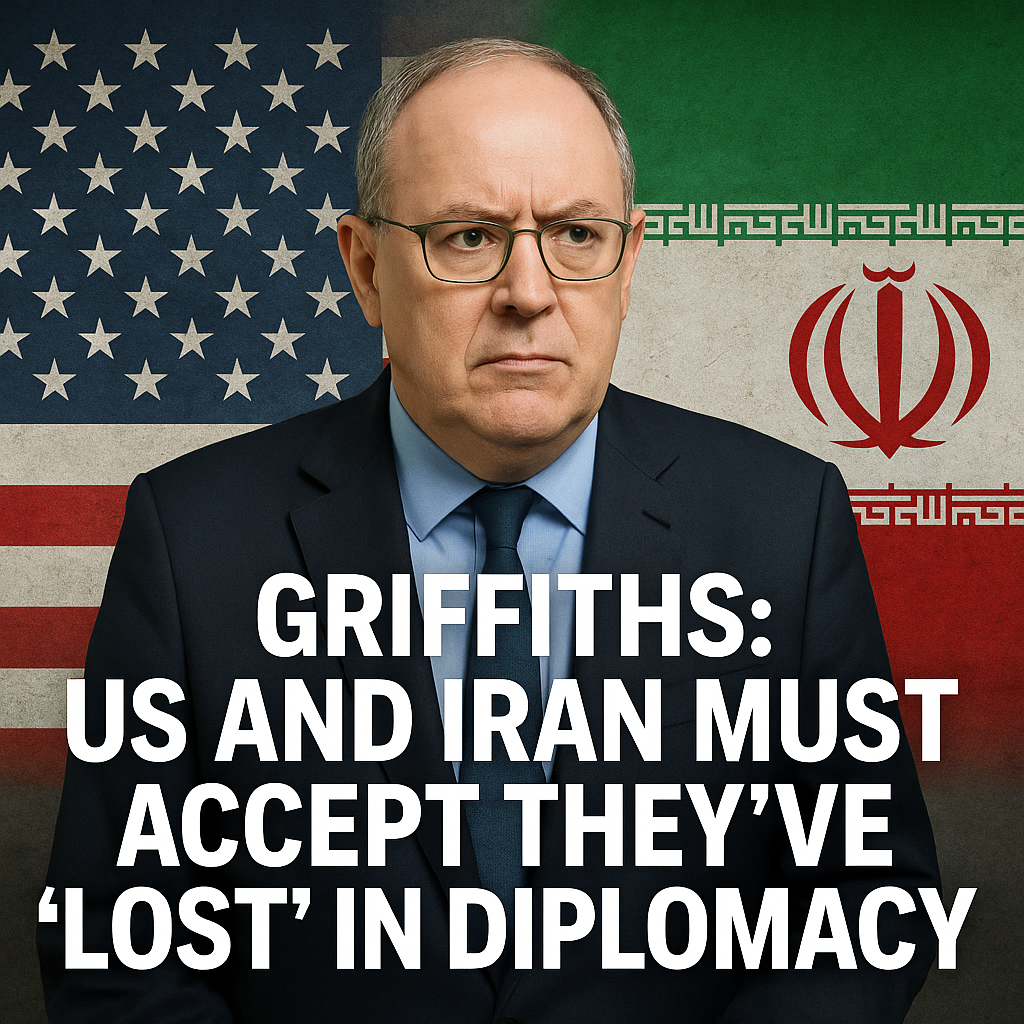
Griffiths: US and Iran Must Accept They’ve ‘Lost’ in Diplomacy
Griffiths: US and Iran Must Accept They’ve ‘Lost’ in Diplomacy
The ongoing diplomatic tensions between the United States and Iran shape not just regional stability but broader global geopolitics. In recent statements, UN humanitarian chief Martin Griffiths suggests that both countries must come to terms with their perceived diplomatic failures to move forward. This viewpoint resonates in the complex arena of international relations, where national interests often overshadow cooperative efforts.

Understanding the Diplomatic Stalemate
Griffiths points to the prolonged impasses that have characterized US-Iran relations over the years, primarily stemming from historical grievances, issues surrounding nuclear capabilities, and militaristic posturing. According to Griffiths, acknowledging a ‘loss’ in diplomacy signifies a critical juncture where both nations need to reassess their strategies. What he implies is that a rigid approach driven by uncompromising positions has not yielded productive outcomes and that a paradigm shift is necessary.

While some analysts argue that a concession mindset could pave the way for negotiations, others maintain that showing signs of defeat might embolden adversaries. Critics often cite the fluctuating commitments from the US government to engage with Iran constructively, particularly in reference to the Joint Comprehensive Plan of Action (JCPOA), which the US exited in 2018. This exit has had significant repercussions, leading to increased hostilities and diminishing opportunities for dialogue.

Competing Perspectives: Diplomacy’s Lost Opportunities
Diverse perspectives highlight a fractured landscape in US-Iran relations. On one hand, proponents of Griffiths’ position argue that both sides are trapped in a cycle of blame, unwilling to acknowledge their shared role in the lack of progress. They suggest that genuine diplomatic engagement requires a foundational acceptance of past missteps for rebuilding trust. This perspective is reflected in various reports emphasizing the inability to uphold commitments and follow through with negotiations over nuclear disarmament and humanitarian efforts.
Conversely, some policymakers suggest that the US should not ‘accept loss’ but instead maintain a stance of pressure aimed at achieving a favorable agreement. They argue that diplomatic concessions could lead to unfavorable terms, potentially posing national security risks. This line of thinking is supported by certain factions within the US government that advocate for a more aggressive stance toward Tehran, viewing engagement as a potential weakening of American influence in the region.
Moreover, the political landscape in Iran cannot be ignored. Internal dynamics—such as the influence of hardliners who oppose negotiations with the West—may complicate the responsiveness of both governments to Griffiths’ call for a reevaluation of diplomatic strategies. Thus, the reality is that both nations are not merely opposing entities but are also heavily influenced by internal pressures that define their respective foreign policies.
The Path Forward: Pragmatic Solutions
In navigation of this intricate impasse, a more pragmatic approach seems imperative. This could involve third-party mediation or multilateral discussions, which Griffiths hints could help facilitate dialogue. The potential involvement of entities like the European Union or neutral countries might serve as a bridge for the US and Iran to explore mutual interests and concessions.
It is crucial, however, to recognize that any diplomatic engagement must prioritize human rights and regional stability. Griffiths himself has advocated for humanitarian considerations to be at the forefront of discussions. Following his sentiments, a balanced agenda that addresses not just sanctions relief or military concerns but also humanitarian aid could foster goodwill.
In conclusion, while Griffiths’ suggestion that the US and Iran must accept their ‘losses’ in diplomacy presents a thought-provoking argument, the reality is fraught with complexities. The international landscape is continually shifting, and both nations must navigate not only their long-standing animosities but also the evolving geopolitical climate. Finding common ground will require a concerted effort to engage constructively, aiming for solutions that consider all stakeholders involved. By accepting past mistakes and forging a collaborative path forward, the opportunity for a genuine diplomatic breakthrough may finally be within reach.















