
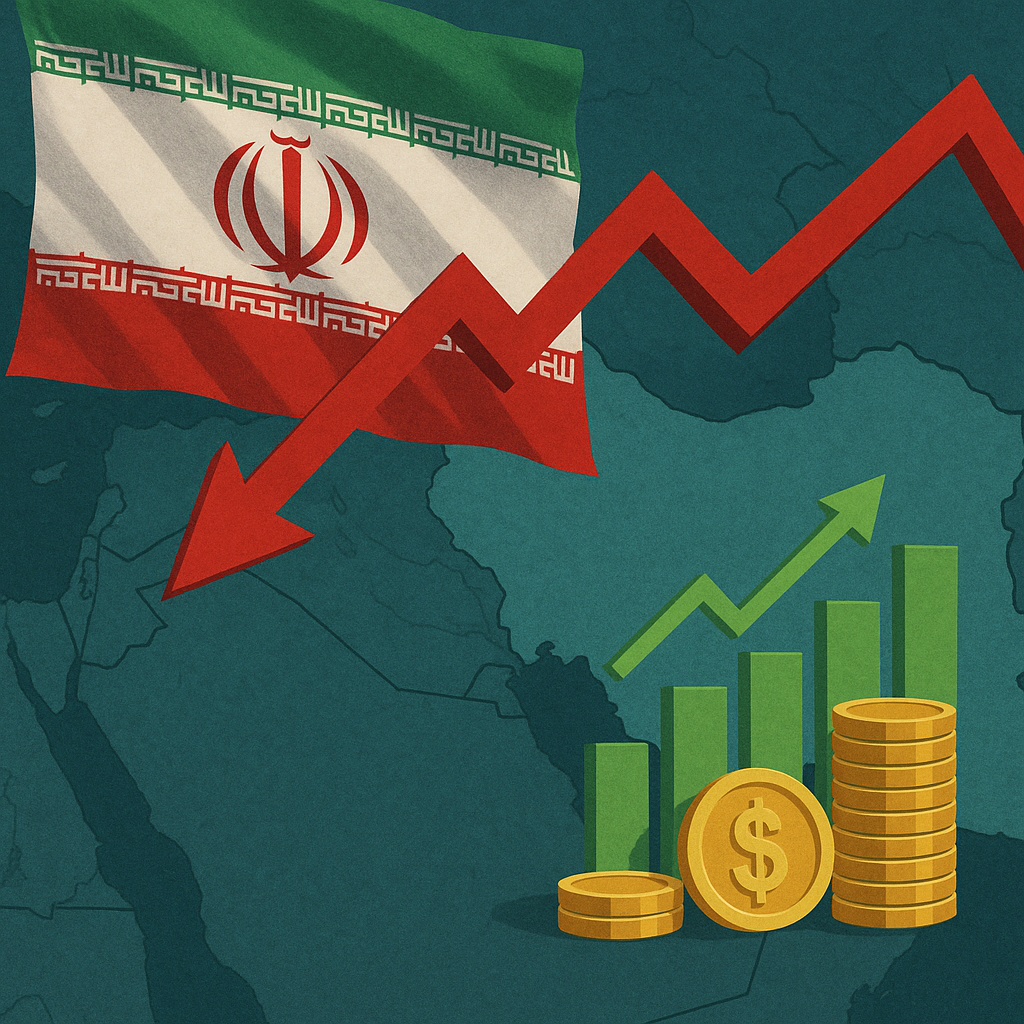
Iran’s Economy: Impact of Expanding US Conflict on Growth
As tensions continue to rise in the Middle East, the impact of expanding U.S. military conflicts on Iran’s economy has become a focal point for analysts and policymakers alike. The complexities of this situation reveal not only the challenges faced by Iran’s economic framework but also how external pressures can exacerbate existing vulnerabilities.

The Fragile State of Iran’s Economy
Iran’s economy, burdened by sanctions and internal mismanagement, has struggled to maintain stability over recent years. With an inflation rate soaring above 40% and unemployment hovering around 10%, ordinary Iranians have felt the brunt of economic instability. Analysts from Al Jazeera note that the recent escalation of U.S. military actions, including potential operations beyond the Strait of Hormuz, may further exacerbate this fragility.

The Iranian government has attempted to bolster the economy through various means, such as attempts at reviving oil exports and seeking new trade partnerships, particularly with nations like China and Russia. However, these efforts often face significant hurdles. For instance, RT reports that while Iran aims to increase its oil sales to countries willing to bypass U.S. sanctions, this has proven challenging due to the pervasive influence of U.S. financial systems worldwide. Furthermore, the threat of military confrontation can deter foreign investment, thus stunting any potential economic recovery.

International Reactions and Economic Ramifications
In addition to sanctions, the international community’s reaction to U.S. military strategies heavily influences Iran’s economy. The growing concern among regional neighbors about escalating conflicts could lead to reduced trade and collaboration. For example, countries already facing pressures of their own, like Iraq and Lebanon, may hesitate to strengthen their economic ties with Tehran if a wider conflict seems imminent.
Sky News highlights that the geopolitical landscape is shifting, and Iran’s economic sustainability is under greater scrutiny. The potential for reduced oil prices due to increased military engagement in the region could threaten the principal revenue stream for the Iranian government, leading to harsher living conditions for its citizens.
Conversely, some analysts assert that this situation could lead to increased resilience among Iranian businesses and a possible shift towards self-sufficiency. There is a belief that external pressures might encourage local industries to innovate and adapt, potentially leading to a rejuvenation of sectors previously reliant on foreign imports.
Assessing the Future of Iran’s Economic Growth
The road ahead for Iran’s economy appears fraught with uncertainties. The complexity of the situation suggests that pinpointing a clear trajectory is difficult. While some predict that continued U.S. actions could further destabilize Iran economically, others advocate for the potential resilience that could emerge from adversity.
One critical aspect that often gets overshadowed in discussions is the internal dissent within Iran itself. Popular discontent over economic mismanagement and lack of political freedom has led to sporadic protests, reflecting broader societal frustrations. As external pressures mount, there is a risk that these internal divisions could escalate, leading to further instability that could undermine any economic recovery attempts.
Moreover, the effects of environmental issues, like water scarcity and deteriorating agricultural land, further complicate the economic landscape. As reported by various sources, including Al Jazeera, these factors create a multi-dimensional challenge that extends beyond the geopolitical realm.
Conclusion: Navigating Uncertain Waters
As the U.S. expands its military operations in the region, the implications for Iran’s economy are multifaceted and complex. While there are calls to evaluate the potential for growth amid adversity, it is essential to recognize the immediate challenges posed by external sanctions, internal dissent, and regional instability.
Ultimately, with no straightforward resolution in sight, the outlook remains uncertain. As Iran grapples with these overlapping crises, its ability to navigate both internal dynamics and external pressures will significantly determine its economic future. The path forward will likely require not only strategic economic planning but also addressing the core issues that have historically undermined stability within the nation itself. As observers watch closely, the evolution of these dynamics will impact not only Iran but the broader Middle Eastern geopolitical landscape.















