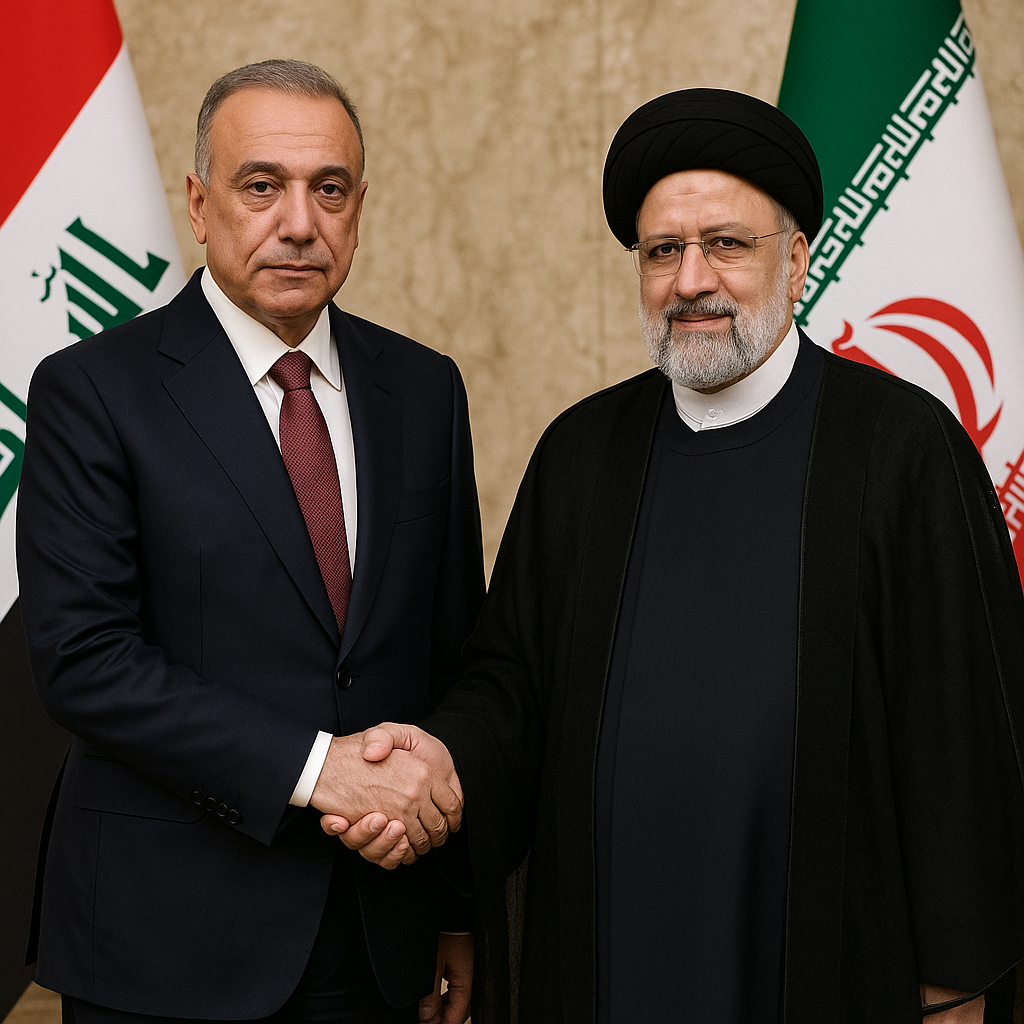
Iraqi PM’s Official Iran Visit to Strengthen Ties
Iraqi Prime Minister Mohammed Shia’ Al-Sudani’s recent official visit to Iran highlights a significant effort to enhance diplomatic relations and economic collaboration between the two nations. This meeting, the first of its kind for Al-Sudani since taking office, underscores the increasing interdependence between Iraq and Iran in the face of regional complexities.

Strengthening Diplomatic Relations
During Al-Sudani’s trip, Iranian President Ebrahim Raisi emphasized the importance of fostering strong ties. In a regional context marked by geopolitical tensions, particularly involving the U.S. and its allies, Iraq’s relationship with Iran takes on added significance. Al-Sudani’s administration is keen on solidifying Iraq’s diplomatic identity, which has often oscillated between different spheres of influence in the Middle East.

According to Al Jazeera, Al-Sudani stated, “The world is changing, and the importance of the relationships that we have is paramount for ensuring a stable future.” This indicates a strategic pivot where maintaining close political and economic links with Iran is viewed as essential for regional stability.

The visit came after months of escalating tensions in the region, particularly related to the presence of U.S. troops in Iraq and Iran’s influence over various militia groups. This backdrop makes Al-Sudani’s outreach to Iran a calculated move to balance competing influences while asserting Iraq’s sovereignty.
Economic Collaboration and Energy Dependency
One of the focal points of the discussions was economic cooperation, especially in the energy sector. Iraq heavily relies on Iranian natural gas and electricity to meet its energy demands, as noted by RT News. The two countries discussed enhancing trade relations, with Al-Sudani advocating for agreements that could lead to increased Iranian exports of gas and electricity.
Iran’s economic situation, exacerbated by international sanctions, also benefits from a closer partnership with Iraq. Joint projects and energy agreements could alleviate some pressure on Iran, while also providing Iraq with the resources needed for its development. This economic interdependency raises questions about Iraq’s broader energy strategy and its implications for domestic politics, particularly as opposition voices criticize reliance on Iranian resources.
Balancing External Pressures
While the implications of this visit are multifaceted, it is essential to acknowledge the contrasting views surrounding Iraq’s relationship with Iran. Some analysts argue that the growing ties could undermine Iraq’s sovereignty, suggesting that increased Iranian influence may lead to political instability. Conversely, others view this relationship as a pragmatic approach to secure economic stability amidst regional volatility.
Public sentiment in Iraq reflects these complexities, with some citizens expressing concern over Iran’s political influence, while others see the partnership as a necessary means for economic development. According to Sky News, debates among Iraqi citizens emphasize a desire for more substantial economic independence without forsaking valuable regional alliances.
Conclusion: A Complicated Future
In conclusion, Al-Sudani’s visit to Iran represents both an opportunity and a challenge for Iraq as it seeks to navigate its place in a tumultuous region. Strengthening diplomatic and economic ties with Iran may bolster Iraq’s position, but it also poses risks of increased dependency. Ultimately, how Iraq manages this relationship, balanced with its commitments to other international partners, will be pivotal in shaping its future trajectory.
The varying viewpoints surrounding this visit underscore the ongoing complexities in Middle Eastern geopolitics, where cooperation and conflict often coexist. Al-Sudani’s approach will likely continue to evolve as Iraq carves out its identity on the international stage amid competing influences and interests.