
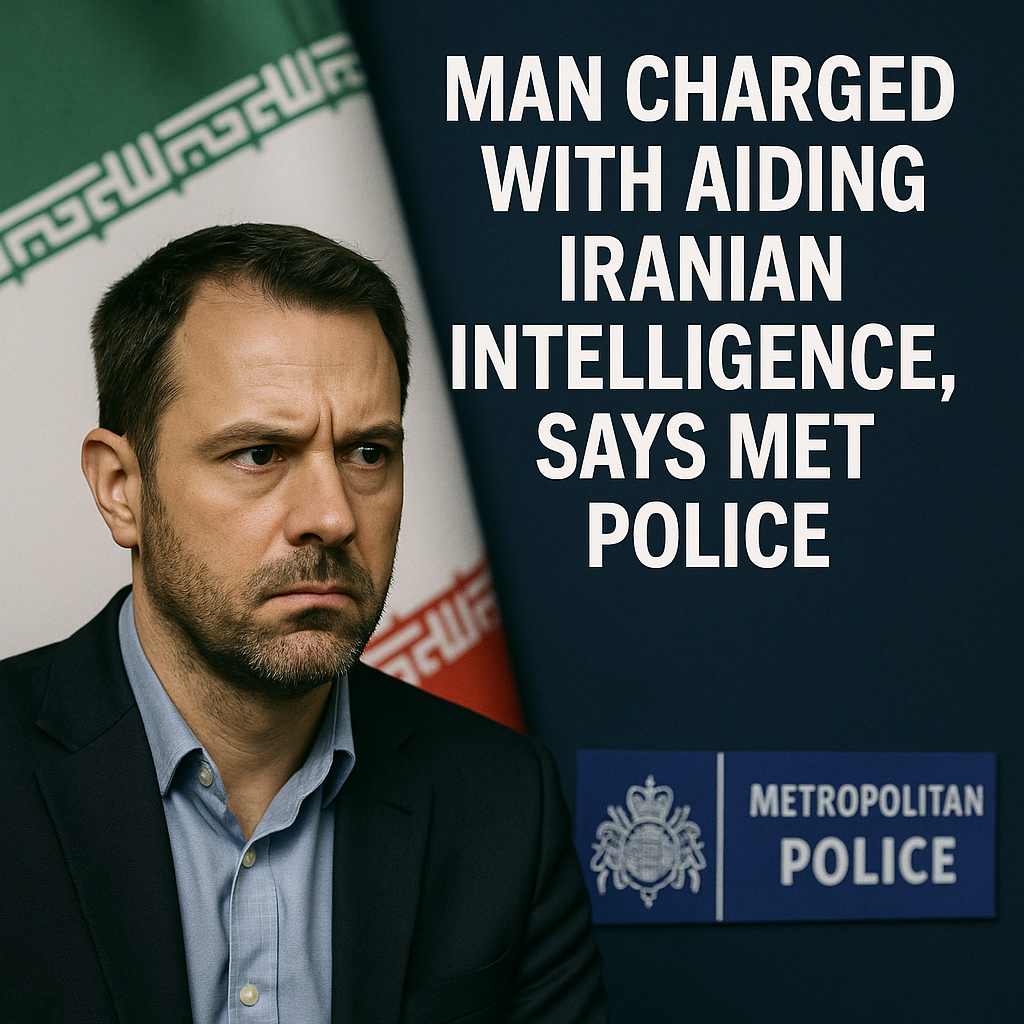
Man Charged with Aiding Iranian Intelligence, Says Met Police
Man Charged with Allegedly Assisting Iranian Intelligence: A Complex Case
In a significant development, a man has been charged by the Metropolitan Police with allegedly assisting the Iranian intelligence service. This event has ignited discussions regarding national security, espionage, and the intricate relationships between intelligence agencies and individuals operating on foreign soil.

The Allegations: A Closer Look
The individual in question, whose identity is yet to be disclosed, faces charges under the Official Secrets Act. According to reports from multiple sources, including Sky News, the allegations revolve around the individual acting as an intermediary for the Iranian government. This claim raises substantial questions about the motivations and tactics employed by intelligence agencies, especially in the context of Western nations grappling with increased espionage attempts.

The man, arrested in October, is accused of providing sensitive information that could potentially aid Iranian operatives. Authorities argue that these actions jeopardized not only the safety of individuals but also the operational integrity of British national security frameworks. The investigation has reportedly uncovered communications that point to coordination with Iranian contacts, leading to the suspicion of an organized effort to undermine UK interests.

A Broader Context: Iran and International Espionage
This arrest isn’t an isolated incident; it fits into a broader narrative regarding Iran’s expansive intelligence operations abroad. As highlighted in various analyses from Al Jazeera and RT, Iran has been increasingly active in employing intelligence strategies that intersect both cooperative and confrontational dynamics with Western nations. These operations often involve recruitment of foreign nationals who can provide data either by direct contact or through established networks.
The implications of this case extend far beyond the individual. If indeed proven true, the charges underscore the persistent concerns among Western intelligence services that adversarial nations are capitalizing on vulnerabilities in their security systems. These worries are compounded by historical grievances and ongoing geopolitical tensions between Iran and the West, particularly over nuclear negotiations and Iran’s support for militant groups in the region.
Reactions from Experts and Officials
Responses to this incident have varied among experts. Some believe that such operations by foreign intelligence are relatively common, particularly in major cities like London, which serve as global hubs for commerce and diplomacy. A former intelligence officer noted in an interview that “London is a fertile ground for diverse networks; intelligence agencies from around the world are always vying for information. The stakes are high, and this case is just one of many.”
Conversely, civil rights activists have raised alarms over the implications of the case for civil liberties. Critics argue that since no substantial evidence has been made public, the charge might foster an atmosphere of distrust toward individuals in diaspora communities. They warn that such actions could lead to racial profiling and ethnic discrimination, issues that continue to plague many Western nations.
Navigating the Complexity of National Security
The complexities inherent in espionage cases like this one lie in their delicate balance between national security interests and individual rights. As this investigation unfolds, the UK government’s approach will be crucial in shaping public sentiment and legal frameworks around such scenarios. Transparency in proceedings and a fair application of the law will be vital in addressing concerns over civil liberties while ensuring the integrity of national security.
Conclusion: The Road Ahead
This case exemplifies the multifaceted challenges that nations face in an era characterized by digital interconnectedness and heightened geopolitical tensions. As investigations continue, stakeholders from diverse sectors will be watching closely to gauge how authorities navigate this charged landscape. The incident serves as a reminder of the complex interplay between foreign intelligence activities and domestic integrity, beckoning for a cautious yet robust approach in fostering both security and trust within society.
In summary, the charge against the man for allegedly assisting Iranian intelligence is not merely a legal matter; it encapsulates broader themes of security, ethics, and international relations that demand an informed dialogue among policymakers, experts, and the public at large.















