Roger Waters Slams West for Profiting from Russian, Ukrainian Lives

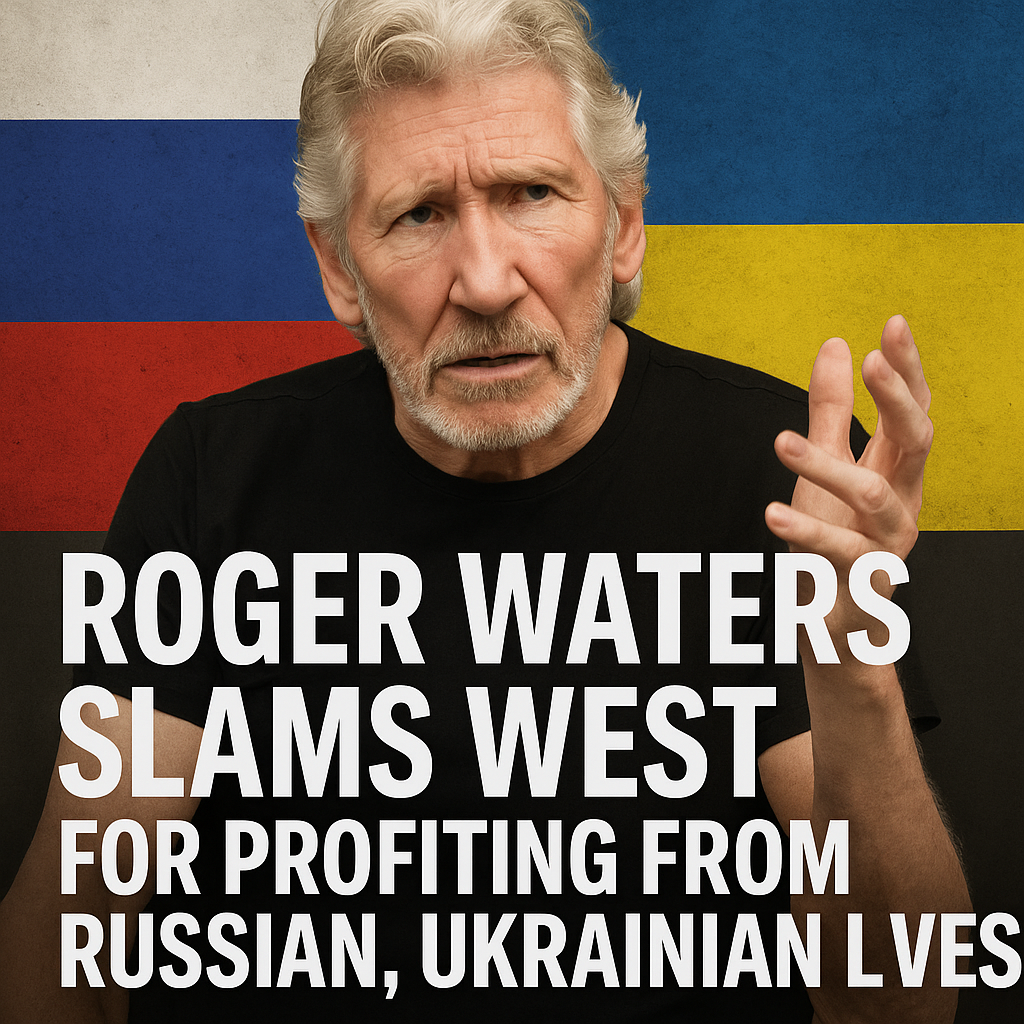
Roger Waters Slams West for Profiting from Russian, Ukrainian Lives
In a recent outburst, musician Roger Waters criticized Western nations for allegedly profiting from the ongoing conflict between Russia and Ukraine. His comments resonate in a period marked by rising tensions and escalating violence in Eastern Europe. Waters, known for his politically charged lyrics, asserted that the complex dynamics of war often mask deeper economic interests, prompting a broader conversation on the morality of war profiteering.

The Economic Underpinnings of Conflict
Waters’ criticism is not an isolated sentiment. Many analysts argue that wars often generate substantial revenues for various sectors, including defense contractors and multinational corporations. According to reports, military expenditures related to the conflict, especially from Western countries supplying arms to Ukraine, have skyrocketed. This influx of resources has raised ethical questions about the motivations behind such military involvement.


While some advocate that these military actions are necessary to support sovereignty and democratic values, others assert that the chaotic nature of war inevitably leads to profit-driven agendas. Waters highlighted this dichotomy, underscoring the idea that civilian lives are frequently expendable in the face of corporate greed. “It’s insane what’s happening,” Waters claimed, alluding to the suffering experienced by innocent people in both Russia and Ukraine. This perspective sheds light on the broader implications of warfare in a globalized economy.

Critiques and Support
Debate surrounding Waters’ views highlights a spectrum of opinions. Supporters argue that his outspoken nature forces audiences to confront uncomfortable truths about the intersection of war, politics, and profit. For instance, Waters’ analogy of a “military-industrial complex” being perpetuated by conflict captures the overwhelming influence that economic benefits can have on foreign policy decisions.
On the other hand, critics contend that his assertions might oversimplify a multifaceted conflict driven not only by economic factors but by political and historical grievances. Prominent commentators have pointed out that conflating individual profit motives with the motivations for national defense can obscure the complexities at play, thereby limiting the conversation to purely economic interpretations.
The Human Cost of War
Ultimately, the most pressing concern in this debate remains the human cost of warfare. With thousands of lives lost and millions displaced, the focus on profits can seem callous. As reported in various news outlets, the devastation in both Ukraine and Russia goes beyond economic statistics. The lived experiences of those affected are often lost in discussions centered on military spending and corporate earnings.
Waters called for an acknowledgment of these realities, implying that true leaders should prioritize humanitarian efforts over financial gain. While pledging military support to Ukraine has been framed as a moral imperative, the unseen consequences for everyday citizens get overshadowed by the clamor for greater military intervention. This raises a crucial question: at what point does the pursuit of profit outweigh the sanctity of human life?
Conclusion
Roger Waters’ outcry against Western profiteering in the context of the Russia-Ukraine conflict opens a crucial dialogue on the economics of war. While it’s essential to consider the need for military support in defending democratic ideals, one must not overlook the ethical implications of engaging in a conflict that leads to human suffering. As the world watches the situation unfold, it remains vital to scrutinize not just the motivations of governments, but also the overarching corporate interests that all too often silence the voices of those caught in the crossfire.
In navigating this complex landscape, society must strive to strike a balance between necessary defense actions and a commitment to protecting human life, ensuring that the horrors of war do not simply serve as a means to an end for profit-driven agendas.