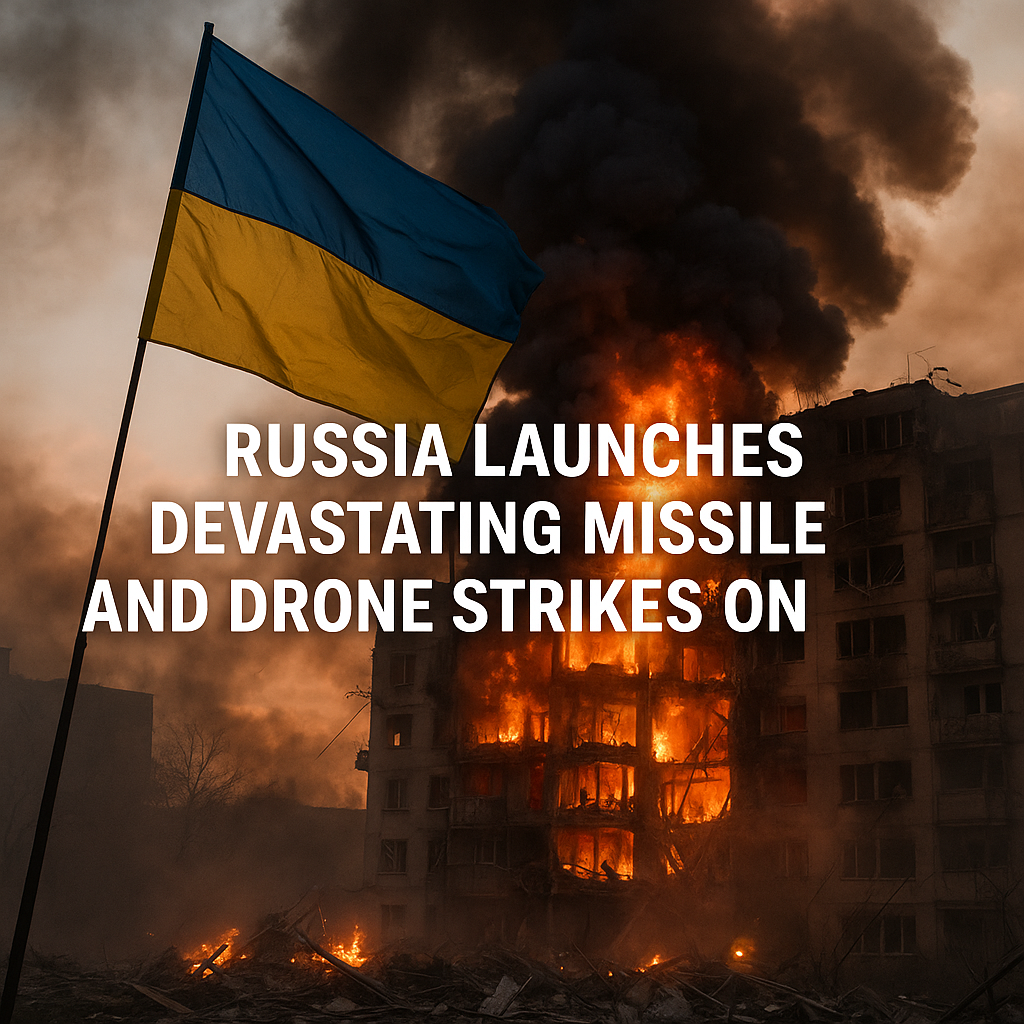
Russia Launches Devastating Missile and Drone Strikes on Ukraine
In recent weeks, Russia has launched devastating missile and drone strikes on Ukraine, exacerbating the ongoing conflict and deepening humanitarian crises. These sudden escalations have not only heightened tensions between Ukraine and Russia but have also drawn international attention and concern regarding broader security implications in Eastern Europe.

Escalation of Military Operations
The latest round of attacks showcases Russia’s persistent military strategy aimed at undermining Ukraine’s infrastructure. Reports from multiple news sources highlight that the strikes have targeted key infrastructure, including energy facilities, significantly impacting civilian life. The Al Jazeera video report outlines devastation in major cities, with increasing numbers of casualties among both military and civilian populations.

Conversely, Russia maintains that these operations are necessary for its national security, framing its military maneuvers as a preemptive response to what it perceives as hostile actions from Ukraine and its allies. The Kremlin’s narrative underscores a defensive posture, as outlined in reports from RT, which depicts Ukraine’s military movements as provocations that warrant escalated responses.

This dichotomy illustrates the complexity of the conflict, as both sides present compelling narratives to justify their positions. With Ukraine calling for international support and sanctions against Russia, the tension escalated further; NATO and Western allies have reacted by reinforcing their commitments to Ukraine, responding with both military and economic aid.
Humanitarian Impact
The fallout from Russia’s missile and drone strikes has been catastrophic. Humanitarian organizations report that civilians bearing the brunt of these attacks face dire situations, including displacement, lack of access to basic services, and psychological trauma. Sky News recently covered the soaring number of internally displaced persons in Ukraine, highlighting the urgent need for humanitarian assistance amidst the chaos of war.
Interestingly, while Western media emphasizes the humanitarian disaster, Russian state media frames the conflict through a lens of national integrity, arguing that the strikes are targeted and necessary. This divergence in portrayals raises crucial questions about the narratives dominating public discourse and the influence of media on perceptions of the war.
International Response and Diplomatic Efforts
The international community’s response has been multifaceted, with various nations condemning Russia’s actions and expressing solidarity with Ukraine. Sanctions have been a widely discussed tool, with ongoing debates about their effectiveness in deterring further aggression. However, the U.S. and European nations are also considering how these measures affect global markets and food security, given Ukraine’s critical role as a grain exporter.
Moreover, peace talks, although often rendering little progress, remain a topic of discussion. Both sides are bogged down by mistrust, and any attempts to mediate the situation are complicated by the recent escalations. Uncertainties linger about whether diplomatic channels can yield positive outcomes in light of the prevailing aggression.
Conclusion
The latest developments in the Russia-Ukraine conflict highlight the intricate web of military, humanitarian, and international dimensions at play. As missile and drone strikes continue to wreak havoc on Ukrainian infrastructure, the urgency for a balanced and effective response becomes ever more critical. The narratives from both Russia and Ukraine, steeped in historical grievances and national security concerns, complicate the path towards resolution.
Amidst the chaos, the international community remains cautious but resolute in its support for Ukraine, while simultaneously grappling with the implications of ongoing sanctions and military assistance. As this conflict continues to evolve, the need for comprehensive analysis and responsible reporting remains paramount to understanding its far-reaching impacts.