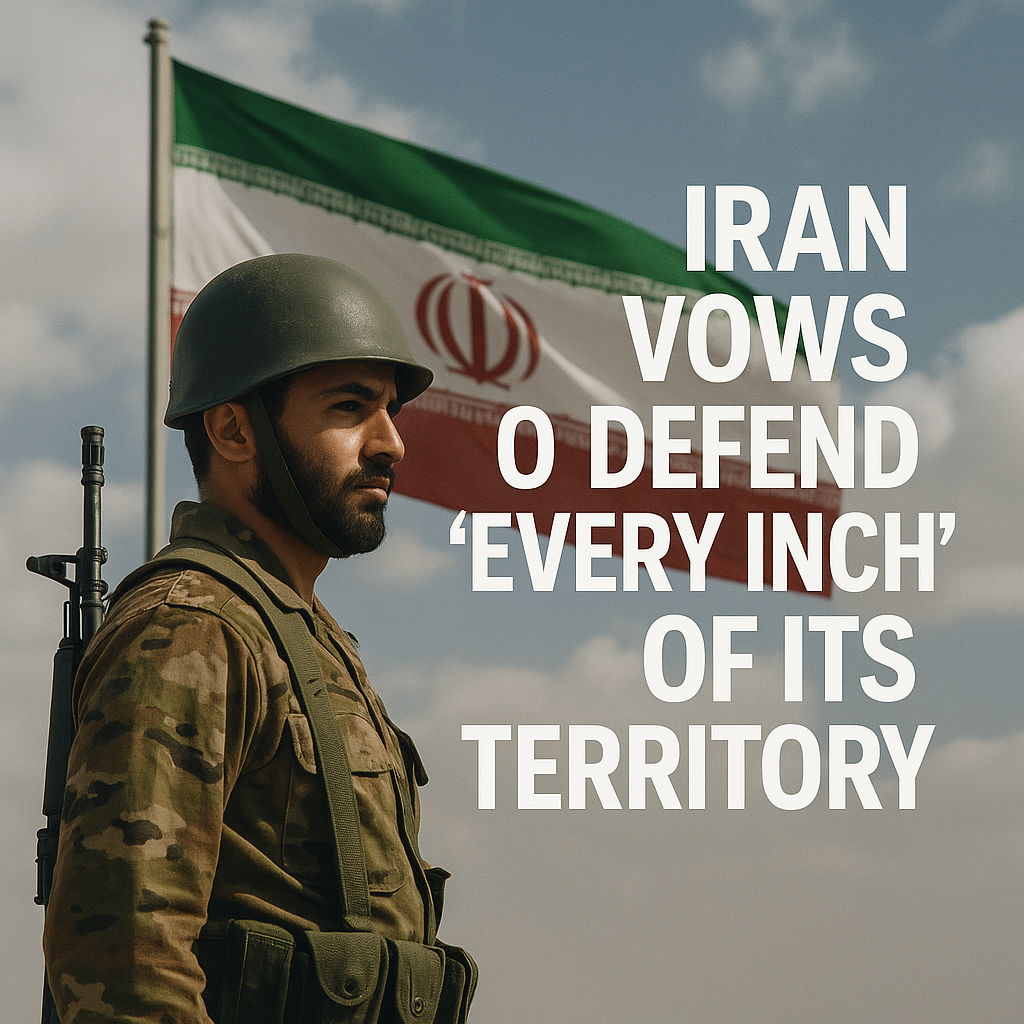
Iran Vows to Defend ‘Every Inch’ of Its Territory
Iran has recently declared its unwavering commitment to defend “every inch” of its territory, a statement that underscores the nation’s geopolitical stance amid rising regional tensions. The rhetoric emanates from the Iranian leadership as they respond to perceived threats, particularly from the West and neighboring countries. This declaration reflects a blend of national pride and vigilance, but it also raises questions about the implications for regional stability.

The Underlying Tensions
Iran’s pledge to protect its territorial integrity comes in a context rife with complications. Relations with the West, particularly the United States, have deteriorated significantly since the Trump administration withdrew from the Joint Comprehensive Plan of Action (JCPOA) in 2018. Following this withdrawal, sanctions have intensified, leading to economic hardships that resonate with the Iranian populace. In light of these pressures, Iranian leaders have adopted a defiant posture, asserting their readiness to confront any form of aggression.

In recent statements, Iranian officials have highlighted their ongoing military advancements, emphasizing the development of indigenous defense systems that bolster their deterrent capabilities. Analysts suggest that these advancements are aimed not only at addressing external threats but also at fostering a sense of national unity and purpose internally. The Iranian leadership often leverages such rhetoric as a means of consolidating power, framing external threats as justification for domestic policies.

Regional Reactions and International Implications
The declaration has not gone unnoticed in the region. Countries such as Israel and Saudi Arabia view Iran’s assertiveness with apprehension. Israeli officials, in particular, remain concerned about Tehran’s growing influence in neighboring countries, notably through proxy groups in Syria and Lebanon. Their opposition to Iran’s advancements has often translated into military actions, raising the specter of direct confrontations.
Moreover, the Gulf states, including Saudi Arabia, are recalibrating their security strategies in response to Iran’s rhetoric. There are growing calls among these countries for enhanced military cooperation with the United States and Israel to counter perceived Iranian threats. The Iranian leadership, in turn, perceives these alliances as provocations and a direct challenge to its sovereignty, perpetuating a cycle of mutual distrust and hostile posturing.
The Internal Dynamics
While the external threats garner significant attention, the internal political landscape in Iran plays a pivotal role in the nation’s aggressive stance. The Islamic Republic has long propagated a narrative of resistance against foreign influence as a unifying theme for its citizens. As economic and social challenges mount, including rising inflation rates and protests against government policies, the regime utilizes defensive rhetoric to divert public attention from domestic issues.
Political analysts note that this strategy is double-edged. While inflating a sense of external threat may temporarily rally the public, it risks deepening fissures within Iranian society as calls for reform and change persist. The discourse around defending the country’s territory feeds into a broader narrative of nationalism, but it may also alienate segments of the population that seek engagement with the West.
Navigating the Future
Iran’s commitment to defending every square inch of its territory serves as a reminder of the fragile state of Middle Eastern geopolitics. The international community is faced with the challenge of navigating a complex landscape characterized by entrenched positions and escalating tensions. The prospect of diplomacy seems distant, particularly as both sides of the conflict become increasingly hardened in their views.
While there is no clear trajectory for resolution, it is crucial for global powers to engage with Iran and regional actors in a manner that prioritizes dialogue over aggression. The world must grasp the importance of understanding the multifaceted motivations behind Iran’s declarations, balancing national security interests with the need for a sustainable path toward stability.
Ultimately, the statement by Iran’s leadership emphasizes a sentiment that resonates deeply within the national psyche, punctuating the enduring complexities of territorial integrity, national pride, and regional politics. As events unfold, the challenge ahead will involve not just defending territorial claims but also fostering dialogue that encourages cooperation rather than conflict, which remains essential for lasting peace in the region.