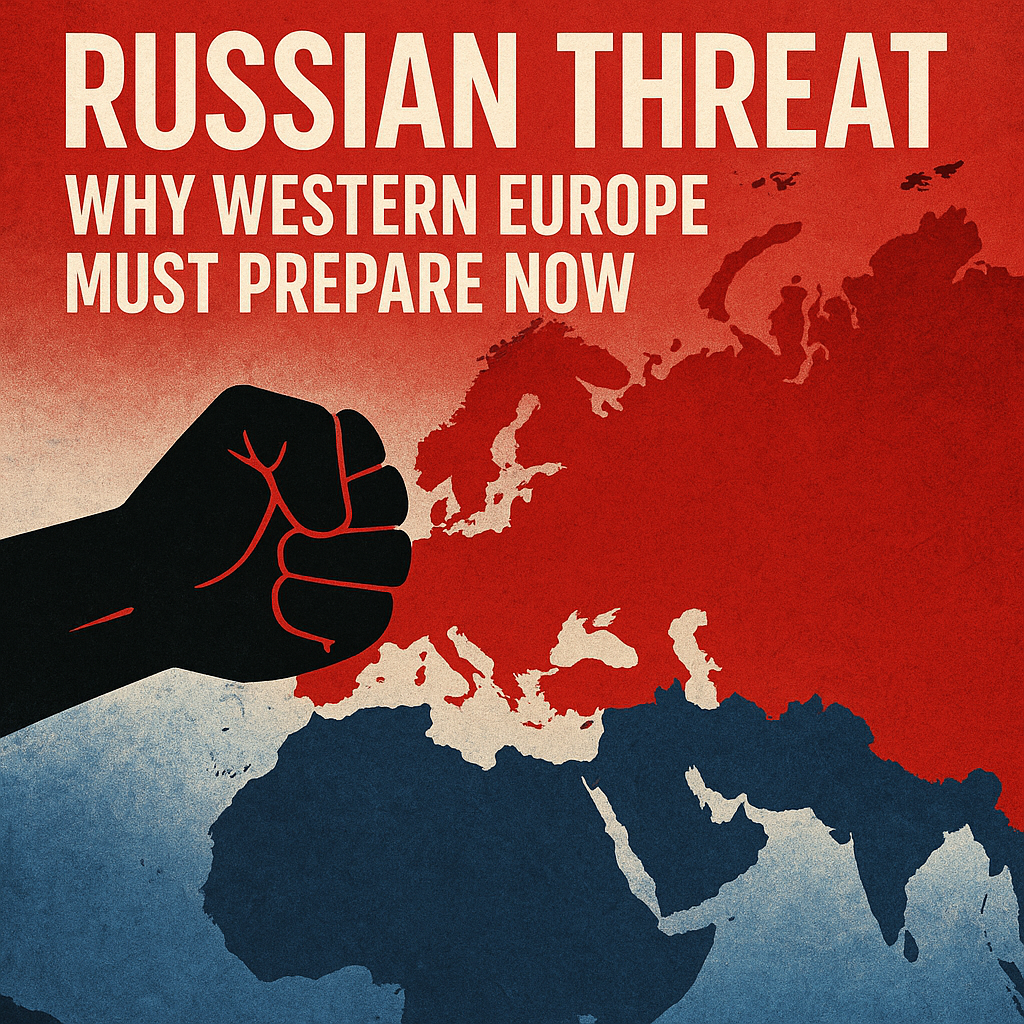
Russian Threat: Why Western Europe Must Prepare Now
The increasing influence of the Russian military in Eastern Europe has raised alarms about the necessity for Western Europe to bolster its defenses. As the situation continues to evolve, leaders across various nations are grappling with how to address a potential threat that could reshape their security landscape.

Understanding the Current Landscape
Recent tensions have escalated due to Russia’s aggressive posturing in Ukraine and its military exercises near NATO borders. According to reports from diverse sources, including Al Jazeera, Western intelligence agencies are concerned about the ramifications of these actions. An article from RT underscores that the prospect of military action could become more than just a theoretical scenario, emphasizing the unpredictability of Russia’s intentions.

The complexity of the situation is highlighted by contrasting viewpoints. Advocates for a stronger Western stance argue that inaction could embolden Russian assertiveness. They suggest that NATO forces need immediate reinforcement, particularly in Eastern European member states that are more vulnerable to potential incursions. On the other hand, some analysts warn against excessive militarization, suggesting that a heavy-handed approach might provoke further aggression rather than deter it.

Key Factors Contributing to the Threat
Several key factors contribute to the perceived Russian threat in Western Europe:
1. Historical Context: The legacy of the Cold War continues to shape perceptions of Russia. Many European countries remember the tensions and conflicts of past eras, which influences current defense strategies.
2. Military Capabilities: Russia has significantly modernized its military forces in recent years. This modernization includes new technology in cyber warfare, air defenses, and ground forces that can quickly mobilize.
3. Political Landscape: The Kremlin’s increased geopolitical ambitions, particularly under President Vladimir Putin, further exacerbate fears. The annexation of Crimea and ongoing involvement in Eastern Ukraine illustrate a commitment to expanding influence, which resonates deeply among Western European leaders.
4. Energy Dependence: Many European nations are significantly reliant on Russian energy supplies, creating a complex interdependence. For instance, cutting ties could have economic repercussions, yet relying on a potentially hostile entity poses its own risks.
Preparedness and Response Strategies
In light of these concerns, experts emphasize the importance of preparedness. A proactive approach involves both military readiness and diplomatic engagement. The EU has begun discussions on enhancing its defense capabilities, particularly in areas such as joint military exercises and resource sharing among member states.
1. Military Alliances: Strengthening NATO’s presence in Eastern Europe, particularly in the Baltic states and Poland, is often cited as a critical step. Rotational deployments of troops and increased military exercises aim to deter any potential aggression.
2. Cybersecurity Initiatives: Given the likelihood of hybrid warfare strategies employed by Russia, enhancing cybersecurity measures across critical infrastructure is essential. Investments in technology that safeguard against cyber threats can make a significant difference.
3. Diplomatic Channels: While military strength is vital, diplomatic efforts cannot be overlooked. Continuous dialogue with Russia can prevent misunderstandings and de-escalate potential conflicts. The challenge lies in establishing trust and maintaining open lines of communication.
4. Public Awareness and Support: Engaging the public on the importance of security initiatives is also crucial. Governments need to convey the realities of the threat and the necessity for collective action, fostering a united front against any aggression.
Conclusion: An Ongoing Challenge
The threat posed by Russia is multifaceted and evolving, necessitating a nuanced understanding and approach from Western European nations. As discussions continue and strategies evolve, a balanced response that includes military readiness, robust cybersecurity, and ongoing diplomacy appears imperative.
While the potential for conflict looms large, the path forward is not solely based on military strength but requires a comprehensive strategy that reassesses and recalibrates the regional dynamics. By preparing now, Western Europe can navigate this complex landscape with resilience and adaptability.