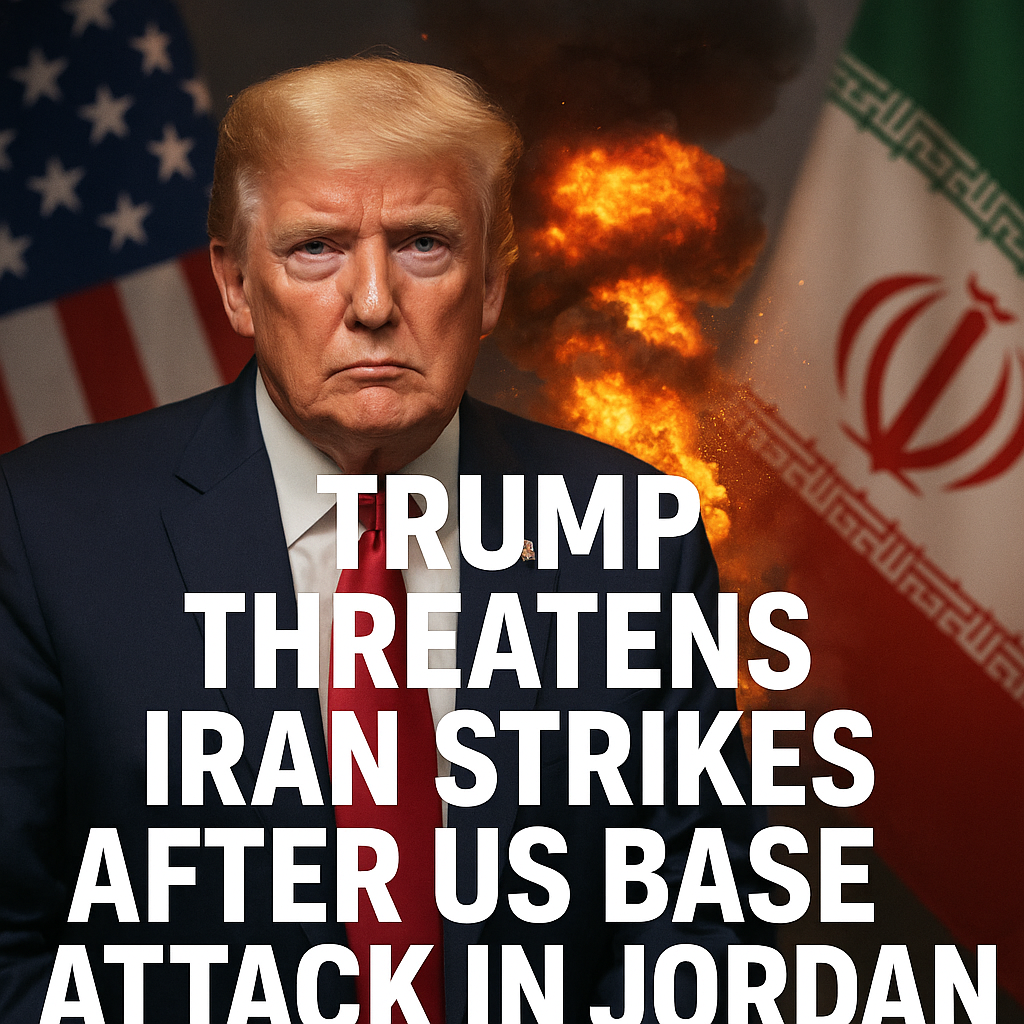
Trump Threatens Iran Strikes After US Base Attack in Jordan
Tensions Escalate: Trump Threatens Iran Strikes After US Base Attack in Jordan
On July 29, 2026, following an unexpected attack on a U.S. military base in Jordan, then-President Donald Trump issued stark threats towards Iran, suggesting potential military strikes. This incident has reignited discussions surrounding U.S. foreign policy in the Middle East, especially concerning relations with Iran. The recent developments reflect not just a singular event, but a complex interaction of political sentiments, national security interests, and historical tensions that permeate U.S.-Iran relations.

The Context of the Attack
The U.S. base in Jordan serves as a critical strategic point for American operations in the region, including counter-terrorism and operations aimed at combating extremist groups. According to reports from various news outlets, including Al Jazeera, the attack resulted in minor injuries but heightened existing tensions. Trump characterized the act as part of a broader Iranian aggression, suggesting that further military action could be warranted.

Key points from the incident include:

– Nature of the Attack: The specific details of the attack remain somewhat unclear, with speculation ranging from drone strikes to ground assaults by proxy forces.
– Immediate Response: In a press conference, Trump emphasized that “Iran will pay dearly” for supporting militant groups that threaten U.S. interests, marking a notable escalation in rhetoric.
– Regional Implications: Experts warn that any military response could destabilize not just Iran but also its neighbors, exacerbating an already volatile geopolitical landscape.
While Trump’s administration has repeatedly condemned Iranian influence in the region, the consequences of a direct military intervention could extend far beyond U.S. borders.
Differing Perspectives on Military Action
Reactions to Trump’s threats have been varied, reflecting a spectrum of opinions regarding U.S. military involvement in Iran. Some analysts argue in favor of a forceful response, viewing it as necessary to deter future attacks and uphold U.S. credibility. Others caution against such an approach, citing the risks of escalating a broader conflict.
Arguments in favor of military action include:
– Deterrent Effect: Supporters of military intervention suggest that a swift response could serve as a deterrent against further Iranian aggressions, reinforcing U.S. authority in the region.
– Strengthening Allies: Such actions may also reassure allied nations, particularly Israel and Gulf states, which perceive Iran as a looming threat.
Conversely, critics of military strikes emphasize the long-term ramifications of an aggressive stance against Iran. They argue:
– Escalation of Violence: The risk of drawing the U.S. deeper into an extended conflict could lead to retaliation and an escalation of violence across the region, affecting civilians and destabilizing multiple countries.
– Diplomatic Solutions: Some former diplomats and military officials advocate for diplomatic engagement as a more viable long-term solution, stressing that dialogue is crucial to managing tensions and finding a sustainable resolution.
The Uncertain Future of U.S.-Iran Relations
As news outlets like RT and Sky News highlight the intensity of these threats, it’s clear that the situation remains fluid. The intricate interplay of military, diplomatic, and domestic factors complicates any straightforward approach to U.S. policy in the region.
– Domestic Politics: It’s essential to consider the political landscape in the U.S., where public opinion on military intervention is increasingly polarized. While some factions advocate for robust military action, anti-war sentiments are also strong, especially in light of previous conflicts in the Middle East.
– Iran’s Response: The Iranian government, which has historically responded to U.S. threats with defiance, may seek to leverage this situation to bolster domestic support or to unify its factions against a common enemy.
The prospect of military action raises profound ethical and moral questions about the costs of war, especially given historical precedents in Iraq and Afghanistan. As both nations navigate this delicate landscape, the importance of ongoing dialogues and multilateral efforts cannot be overstated in preventing further escalation.
Conclusion
In summary, the recent threats made by Trump against Iran following the U.S. base attack highlight the precarious nature of international relations in the Middle East. While proponents of military intervention stress its necessity for deterrence, the risks associated with an escalated conflict make a compelling case for diplomatic solutions. As the situation unfolds, the world watches closely, acutely aware of the potential ramifications of U.S. actions in the region. In this era of complex global interaction, the balance between military readiness and diplomatic engagement will be crucial for a peaceful resolution.