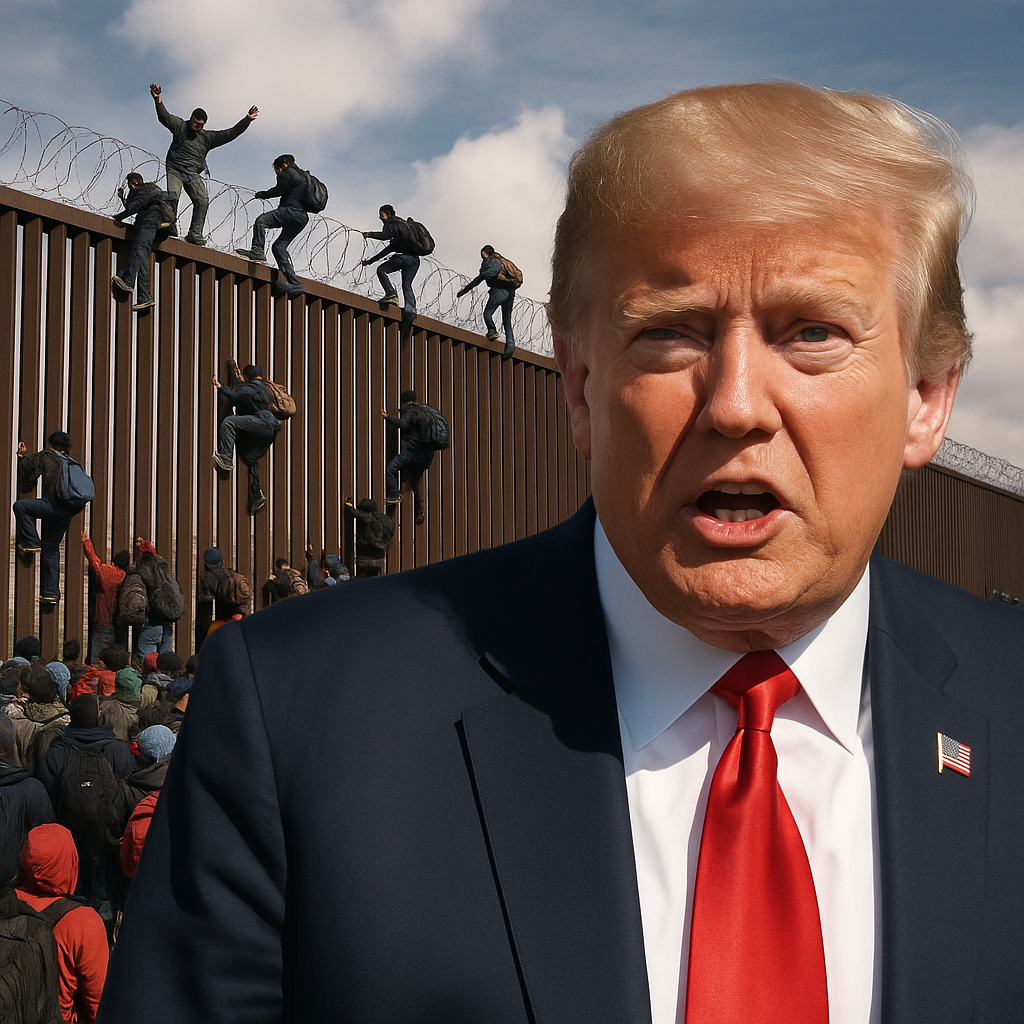
Trump Warns of Spain-Style Migrant Invasion in the US
Trump Warns of Spain-Style Migrant Invasion in the US
Former President Donald Trump has recently raised alarms about a potential influx of migrants into the United States, drawing parallels to the situation in Spain. This warning reflects ongoing debates concerning immigration and border security, a topic that has gained renewed attention amid rising numbers of migrant encounters at the border.

Understanding the Context of Trump’s Warning
Trump’s assertions come at a time when the U.S. is grappling with complex immigration challenges. He claimed that the U.S. could face a migrant invasion similar to that which Spain has reportedly experienced, especially on its northern border with Morocco. In a speech, Trump expressed concerns over the Biden administration’s handling of immigration policies, arguing that leniency is leading to increased crossings, which he believes could overwhelm U.S. resources and infrastructure.

On one side, supporters of Trump’s viewpoint argue that stricter enforcement is essential. They cite fears over public safety and the economic burden that an uncontrolled influx could impose on local communities. According to RT, these supporters depict a grim picture of what they consider “open border” policies. They say that such approaches could lead to unsustainable numbers of migrants, mirroring the crisis seen in parts of Europe, particularly Spain.

Conversely, critics of Trump’s stance argue that the comparison to Spain is exaggerated. Al Jazeera reports that the situation in Spain, marked by specific geopolitical challenges, does not directly parallel U.S. demographics or immigration policies. Some experts point to the complex reasons behind migration, including conflict, economic hardship, and climate changes, suggesting that a more nuanced understanding is necessary rather than alarmist rhetoric.
Exploring Different Perspectives on Immigration
The immigration debate in the U.S. is a multifaceted issue, woven with humanitarian concerns and security challenges.
Social and Economic Factors
Proponents of a more humanitarian approach emphasize the need to address root causes of migration. They argue that many people flee their home countries seeking safety from violence or economic despair and that comprehensive immigration reform should include pathways to legal status and support for those in genuine need of refuge. According to Sky News, organizations advocating for migrant rights emphasize the importance of humane treatment and fair processes for asylum seekers.
On the other hand, there’s a prevailing sentiment among some voters that the current immigration system is unable to cope with existing pressures. Critics of the existing policies advocate for an immediate tightening of borders, fearing that without decisive action, the situation could worsen, leading to societal strain. This dichotomy highlights the ongoing tension between the values of compassion and the perceived need for order and security.
Political Implications
As the immigration debate continues to polarize, Trump’s comments may serve a dual purpose: galvanizing his base while simultaneously stoking fear among those concerned about border security. His warnings about a so-called “invasion” may resonate with constituents who prioritize strict immigration control. This approach can strengthen his political positioning ahead of potential future campaigns, keeping the issue in the spotlight and framing political opponents as ineffective on immigration.
However, this strategy also brings forth criticism from opponents who view it as dangerous rhetoric that can incite fear and division. Reports from multiple sources indicate that such characterizations can undermine bipartisan efforts toward a comprehensive solution, contributing to heightened tensions around immigration reform discussions.
Conclusion: A Complex Landscape Ahead
The realities of immigration and border security are undeniably complex and continually evolving. Trump’s warnings about a potential migrant invasion akin to Spain’s situation illustrate the polarized views surrounding this critical issue, but they also highlight the necessity for informed, objective conversations.
While a segment of the populace feels an urgency for immediate action to curb a perceived influx, others contend that compassionate and systematic reform is essential for a just approach to immigration. As the discourse continues, it will be imperative to navigate these perspectives with care and discernment, ensuring all voices are heard while weighing the facts and implications of immigration policies on both sides of the debate. The future of U.S. immigration policy will likely hinge on balancing these urgent calls for action with a nuanced understanding of the myriad factors contributing to migration.