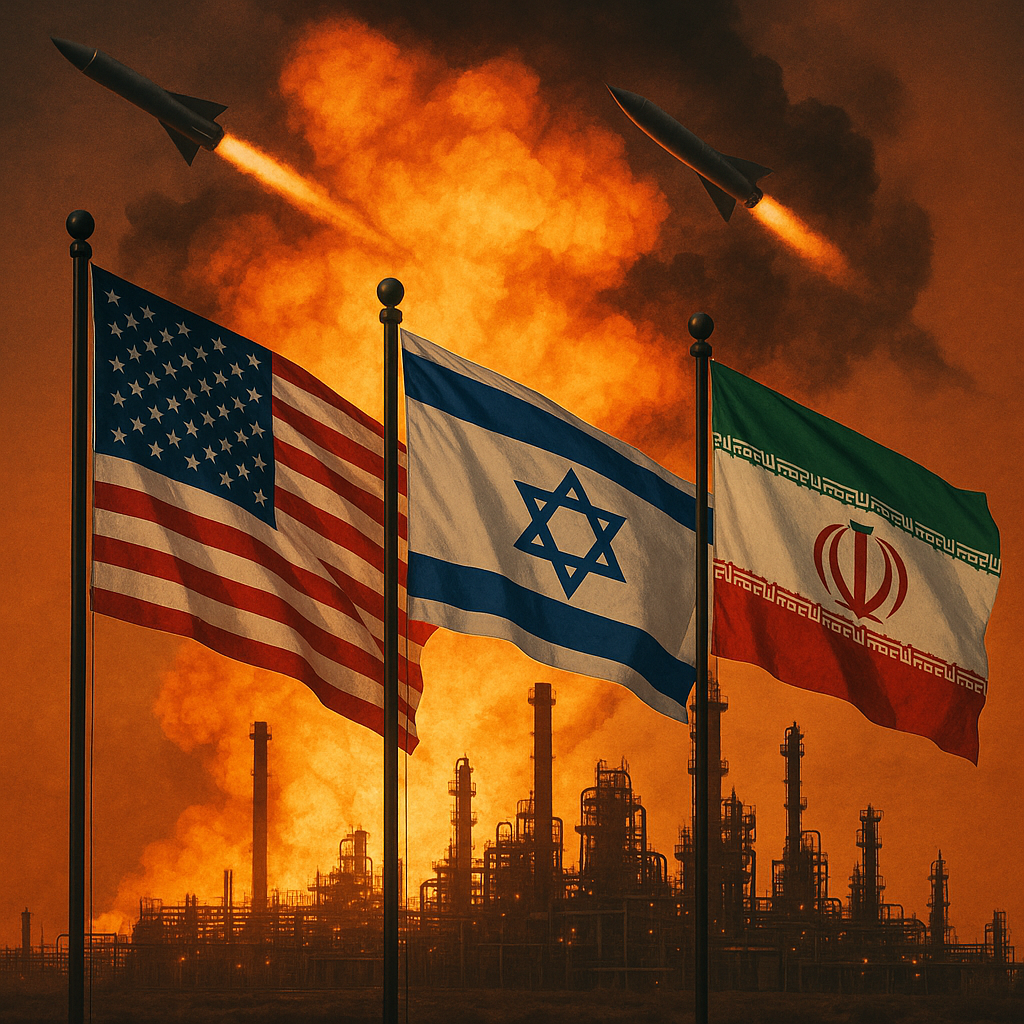
US-Israel Prepare for Strikes on Iranian Energy Infrastructure
US-Israel Prepare for Strikes on Iranian Energy Infrastructure
In recent developments, the United States and Israel have initiated discussions surrounding potential strikes aimed at Iranian energy infrastructure. This strategic move reflects a broader geopolitical landscape marked by tensions over Iran’s nuclear program and its regional influence.

The Strategic Imperatives
The rationale behind the potential airstrikes pivots largely on concerns regarding Iran’s nuclear ambitions and its impact on regional security. Sources from Israel’s defense establishment voice a growing urgency, with officials stating that action is necessary to degrade Iran’s capabilities. A senior Israeli military officer articulated that the situation requires a united front, emphasizing, “Recent intelligence assessments indicate that Iran could approach operational nuclear capability by 2025.”

Conversely, some analysts argue that military strikes may exacerbate tensions rather than resolve them. An editorial in Al Jazeera underscored that such actions could incite further retaliation from Iran, destabilizing not just the Persian Gulf but also potentially triggering confrontations that may extend beyond the immediate region. This viewpoint calls attention to the cyclical nature of military interventions and their unpredictable outcomes.

The Regional and Global Repercussions
Attacks on Iranian energy infrastructure could have significant ramifications, extending well beyond Iran itself. Energy prices globally may see substantial fluctuations as the Strait of Hormuz, through which a substantial portion of the world’s oil supply passes, becomes a focal point for military activities. A report from Sky News indicated that any disruption in this critical passage could lead to price spikes, affecting economies worldwide and possibly leading to a broader economic fallout.
Moreover, the response from Iran is expected to be swift and calculated, potentially involving retaliation against U.S. forces in the region or allied interests. Analysts note that Iran has a history of employing non-conventional warfare tactics, which may include cyberattacks or proxy engagements across various fronts.
A Divided Perspective on Engagement
Public and political sentiment regarding military intervention remains deeply polarized. Advocates of a hardline approach claim that decisive action is necessary to prevent a future nuclear-armed Iran. Proponents reference historical precedents; for instance, some argue that preemptive strikes could mirror the successful operations conducted against Iraqi nuclear facilities in the past.
In contrast, critics advocate for diplomatic engagement over military action. They cite past military interventions that have led to prolonged instability in regions like Iraq and Libya. An analyst from RT commented, “We must not repeat the mistakes of history. Diplomacy could offer a path toward a stable Middle East without the catastrophic consequences of military strikes.”
Conclusion: Navigating a Complex Landscape
As the United States and Israel consider their next steps regarding Iranian energy infrastructure, the path forward is fraught with challenges. Balancing the imperatives of national security against the potential for broad regional destabilization requires nuanced thinking and strategic foresight. The consequences of these decisions will reverberate across international relations for years to come, underscoring the importance of careful deliberation in the face of escalating tensions.