Russia Joins Inaugural U-15 World Cup FIFA Competition

Russia Joins Inaugural U-15 World Cup FIFA Competition
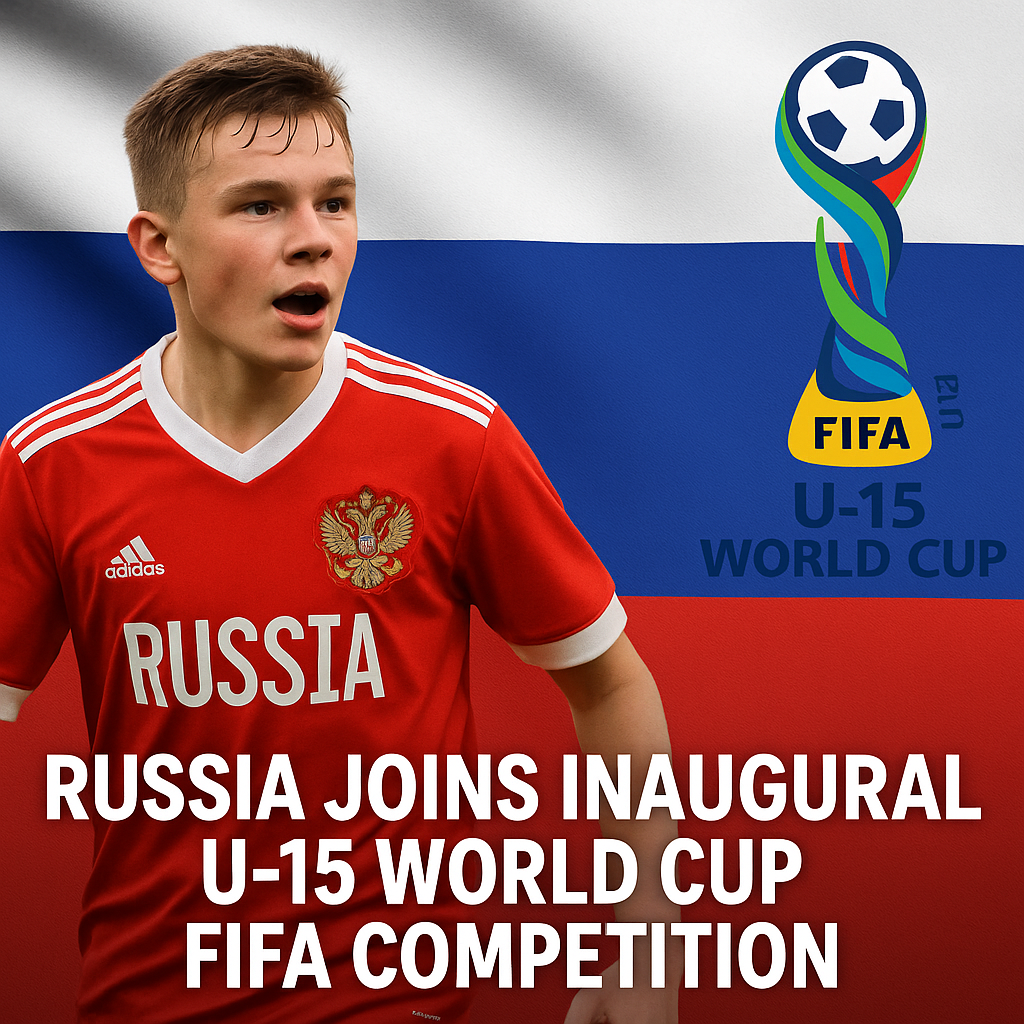
The announcement that Russia will compete in the inaugural U-15 World Cup FIFA competition has sparked a wave of discussions, reflecting the complex landscape surrounding the country’s involvement in international football.

The Historical Context of Russia in International Football
To understand the significance of this event, it is essential to revisit recent developments in Russian football. After the nation faced significant diplomatic and sporting isolation following its invasion of Ukraine in 2022, the decision to allow Russian teams to participate in a youth tournament raises several questions. Historically, Russia has been a prominent figure in global sports, particularly in football, showcasing talent on world stages from the FIFA World Cup to the UEFA competitions.


While UEFA and FIFA suspended Russian teams from tournaments amid international outcry, youth competitions like the U-15 World Cup present a rare chance for engagement. This shift could be interpreted as an effort to separate the actions of the government from the aspirations of young athletes eager to showcase their skills on an international platform.


Diverse Perspectives on Russia’s Return to FIFA Competition
Responses to Russia’s participation in the U-15 World Cup illustrate a spectrum of viewpoints. Proponents argue that allowing young athletes to compete can foster goodwill and humanize a nation whose government has drawn international ire. As one youth football coach noted, “The next generation should not be punished for the actions of their leaders.” This sentiment resonates with many who believe that sports can serve as a unifying force.
On the contrary, critics have expressed concern over the implications of Russia’s involvement. Some sports commentators argue that this could undermine the message of accountability and condemnation that international bodies aim to project. A recent article highlighted that allowing Russian teams to participate might dilute the seriousness of the sanctions imposed on the country, suggesting that sporting engagements could be viewed as an implicit endorsement of its political actions.
It’s worth mentioning that the return of Russia to international competitions, even at a youth level, is controversial, with some stakeholders within FIFA and beyond expressing discomfort at the idea. Following the news, there were calls from various football associations to review policies on Russian participation in global events. There is no consensus yet, and FIFA has continued to articulate its commitment to a unified stance on political matters in sport.
The Broader Implications of Youth Competitions
Beyond the political ramifications, the U-15 World Cup serves as a critical developmental opportunity for young athletes. With nations participating from around the globe, this competition could potentially inspire the next wave of football talent, promoting cultural exchange and international camaraderie through sport.
Youth competitions such as this one have historically played a pivotal role in shaping the careers of future stars. The competition can help players gain experience and exposure, paving the way for their pathways into professional football. This facet cannot be overlooked, as it presents a tangible benefit to the athletes whose futures depend heavily on early international experiences.
As these young players prepare for the tournament, the narrative goes beyond the pitches; it touches aspects of diplomacy, youth development, and global perceptions of sportsmanship.
Conclusion: A Complex Future for Russian Football
As Russia makes its return to international football through the U-15 World Cup, the reactions underscore a poignant complexity within the intersection of sports and politics. While some champion the inclusion of Russian youth athletes as a necessary step towards normalcy, others caution against overlooking the broader implications of such endeavors.
Going forward, it remains crucial for international sporting bodies like FIFA to balance the participation of athletes with the need for a principled stance on global issues. The road ahead is uncertain, and how the situation unfolds could set a precedent for how nations navigate the delicate dance of politics and sport in an increasingly interconnected world. As the tournament approaches, all eyes will be on how global stakeholders respond to this evolving narrative.