Strait of Hormuz: Iran’s Battle for Control and Spoils

The Geopolitical Stakes in the Strait of Hormuz
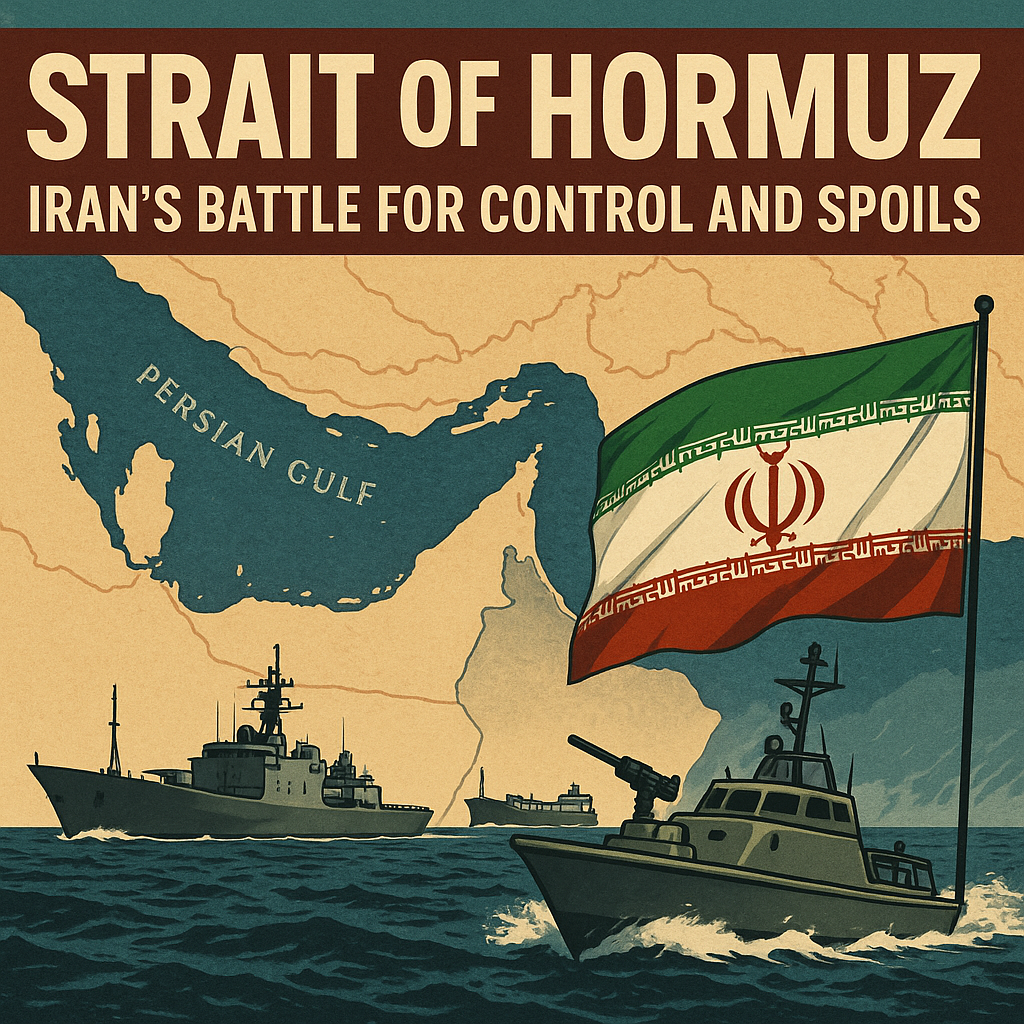
The importance of the Strait of Hormuz cannot be overstated; it is a vital waterway that sees approximately 20% of the world’s oil passing through it. Over recent years, increasing tensions in the region, particularly concerning Iran’s quest for control, have heightened global concerns regarding stability and security in this crucial passage.

Iran’s Strategic Position
Iran’s geographical location grants it significant leverage over the Strait of Hormuz. The narrow strait, only about 21 nautical miles wide at its narrowest point, is flanked by Iranian territory on one side and Oman on the other. This proximity allows Iran to exert influence over maritime traffic, making it a pivotal player in any discussions regarding freedom of navigation and maritime security.


Iran has often demonstrated its military capabilities in the region, utilizing naval exercises and threats to disrupt traffic. This show of strength aims not only to assert control but also to deter adversaries, particularly the United States and its allies. Reports indicate that Iran has threatened to close the Strait in response to sanctions and military actions perceived as hostile. These strategies reflect a broader strategy to expand Iran’s regional dominance while countering perceived threats.


Regional and Global Implications
The implications of Iran’s maneuvers extend well beyond the Strait itself. The economic ramifications of any disruptions are significant, as the strait serves as the principal route for oil exports from neighboring Gulf states, including Saudi Arabia and the United Arab Emirates. A blockade or military conflict could lead to sharp increases in global oil prices, affecting economies worldwide.
Conversely, should Iran successfully solidify its control over this crucial passage, it stands to gain substantially not only in economic terms but also in political sway. As per various sources, including insights from Al Jazeera, the ongoing tensions illustrate a complex interplay of power where local skirmishes could escalate into broader conflicts involving global powers.
Diverging Perspectives on Control and Spoils
On one hand, some analysts suggest that Iran’s actions are a desperate attempt to reclaim influence in a region where its power has been challenged. Recent historical events, such as the assassination of Major General Qassem Soleimani and the rise of rival powers in Iraq and Syria, have contributed to Iran’s assertiveness. These analysts argue that Iran is leveraging its geographical advantages to counterbalance the existential threat posed by U.S. military presence and regional alliances, particularly those centering around Saudi Arabia and Israel.
Conversely, other perspectives highlight the risks of such provocations spiraling out of control. A Sky News report discusses how the military buildup in the area has incited fears of miscalculation. As tensions rise, the potential for unintended confrontations increases, which could not only destabilize the region but also engage global powers more directly, leading to a precarious situation.
The Role of International Players
The existing dynamics have drawn various international players into the fray. The United States has consistently maintained a naval presence in the Gulf as a deterrent against Iranian aggression. According to reporting from RT, the U.S. has also formed coalitions with several Gulf states to secure maritime routes. However, the effectiveness of these coalitions is sometimes questioned, as they rely heavily on the commitment of heterogeneous nations with differing agendas and levels of military capability.
Furthermore, European nations and even China have expressed explicit concerns regarding freedom of navigation in the Strait of Hormuz. As much of Europe’s energy supply is tied to Middle Eastern oil, there is an increasing call for dialogue and de-escalation. However, the presence of multiple interests complicates the situation, creating a patchwork of responses that may not align in a coherent strategy to reduce tensions.
The Path Forward: Diplomacy or Escalation?
The varied responses and interests surrounding the Strait of Hormuz showcase a complex geopolitical chess game. While Iran seeks to enhance its control over this vital passage as a means of asserting regional dominance, the backlash from international players poses significant risks of escalation.
Many experts call for a renewed focus on diplomatic solutions rather than military posturing. While Iran’s rulers aim to wield their influence in the region, it remains crucial for other nations to engage in constructive dialogue to ensure that vital transit routes remain open and secure. As events continue to unfold, the world watches closely, hoping for a resolution that stabilizes one of the most critical maritime lanes on the planet.
In the ever-changing landscape of geopolitics, collaborative approaches may ultimately offer the best chance for maintaining peace and security in the Strait of Hormuz.