Strait of Hormuz Governance: Iran’s New Peace Proposal Unveiled

Strait of Hormuz Governance: Iran’s New Peace Proposal Unveiled
The Strait of Hormuz, a vital waterway for global oil transportation, has long been a flashpoint for geopolitical tensions and military encounters. Recently, Iran has unveiled a new peace proposal aimed at bolstering governance in this strategic region. This article examines the implications of Iran’s initiative by analyzing perspectives from diverse news outlets, drawing on various geopolitical contexts and the historical significance of the Strait.

Historical Context of the Strait of Hormuz
The Strait of Hormuz connects the Persian Gulf to the Gulf of Oman and serves as a narrow arterial path for approximately a fifth of the world’s oil trade. For decades, its governance has been contentious, influenced by the interests of both regional players and global superpowers. The strategic significance of this waterway often brings it to the forefront of geopolitical disputes, particularly between Iran, the United States, and neighboring nations like Saudi Arabia and the UAE.


Iran’s New Peace Proposal
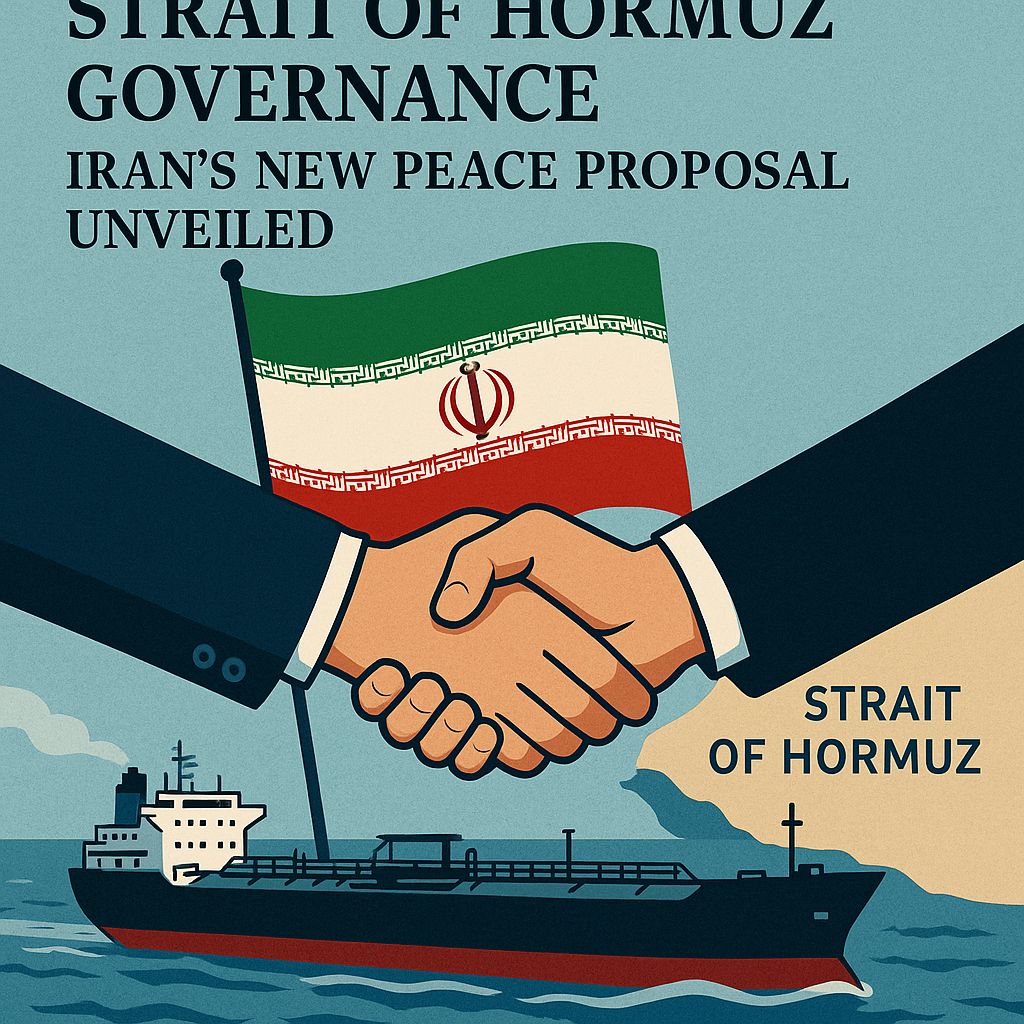
According to recent reports from RT News, Iranian officials have laid out a detailed peace proposal aimed at fostering a collaborative governance structure involving littoral states—nations that have coastlines along the Strait of Hormuz. The proposal emphasizes dialogue and cooperative security measures over unilateral military actions. This initiative possibly seeks to alleviate the longstanding tensions between Iran and other regional powers that have been exacerbated by a mix of economic sanctions and military posturing.


In presenting the plan, Iranian officials have highlighted several core tenets:
– Cooperation Among Coastal Nations: Emphasizing the need for collaborative governance, Iran envisions a framework that encourages shared responsibility among the countries surrounding the Strait.
– Security Over Militarization: The proposal calls for the reduction of military presence in the region by foreign powers, which Iran argues is a source of instability.
– Inclusive Dialogue: Iran’s approach favors diplomatic channels, suggesting that all affected parties engage in conversations that prioritize mutual interests and regional stability.
This plan has been met with cautious optimism by some analysts who argue that it could set the stage for new diplomatic avenues in a historically fraught region.
Diverging Views on the Proposal
While some analysts welcome Iran’s initiative as a step toward reducing tensions, others remain skeptical about its implementation and underlying intentions. A piece from Al Jazeera reflects concerns about the sincerity of Iran’s commitment to dialogue given its history of regional assertiveness, particularly in the aftermath of U.S. sanctions and military pressure.
Concerns About Iran’s Motives
Critics argue that while the peace proposal sounds promising, it may serve Iran’s strategic interests more than a genuine desire for peace. The potential for Iran to leverage this proposal as a diplomatic shield against sanctions cannot be ignored. For instance, recent escalations in military exercises in the Gulf region raise questions about the credibility of Iran’s aims.
Moreover, there is a broader context where neighboring states, particularly Saudi Arabia and the UAE, have their reservations about Iran’s moves. They perceive Iran’s regional ambitions as a long-term threat, which complicates efforts for sincere dialogue. An Al Jazeera report indicates that Gulf nations might interpret this initiative as a strategy to buy time while pursuing its own geopolitical objectives.
Mixed Reactions in the International Community
The international community’s perspective on the proposal ranges from cautious support to outright skepticism. Some countries, including certain European Union members, appear interested in fostering dialogue that could lead to de-escalation in the region. In contrast, the U.S. government and its allies remain vigilant, wary of any moves they perceive as an attempt by Iran to expand its influence further.
In addition, military analysts warn that any decrease in foreign military presence could embolden Iran’s assertive actions in neighboring waters. Such dynamics create a complicated patchwork of interests, making any straightforward acceptance of Iran’s proposal difficult.
Conclusion: Path Ahead for the Strait of Hormuz
Iran’s new peace proposal brings to light a range of complexities surrounding governance in the Strait of Hormuz. While the call for a cooperative framework among coastal states offers a potential path to reducing tensions, numerous obstacles remain. The divergent views, concerns about Iran’s intentions, and the geopolitical landscape involving major powers add layers of uncertainty to this proposal.
As the situation continues to evolve, it will be crucial for regional stakeholders and the international community to maintain a balance between constructive engagement and vigilance. Ultimately, lasting peace in the Strait of Hormuz will hinge on the collective willingness of all parties to prioritize dialogue over discord.
In a world where the Strait remains a vital artery for global energy supply, the stakes could not be higher for finding an effective and enduring governance solution that reflects the interests and security of all nations involved.