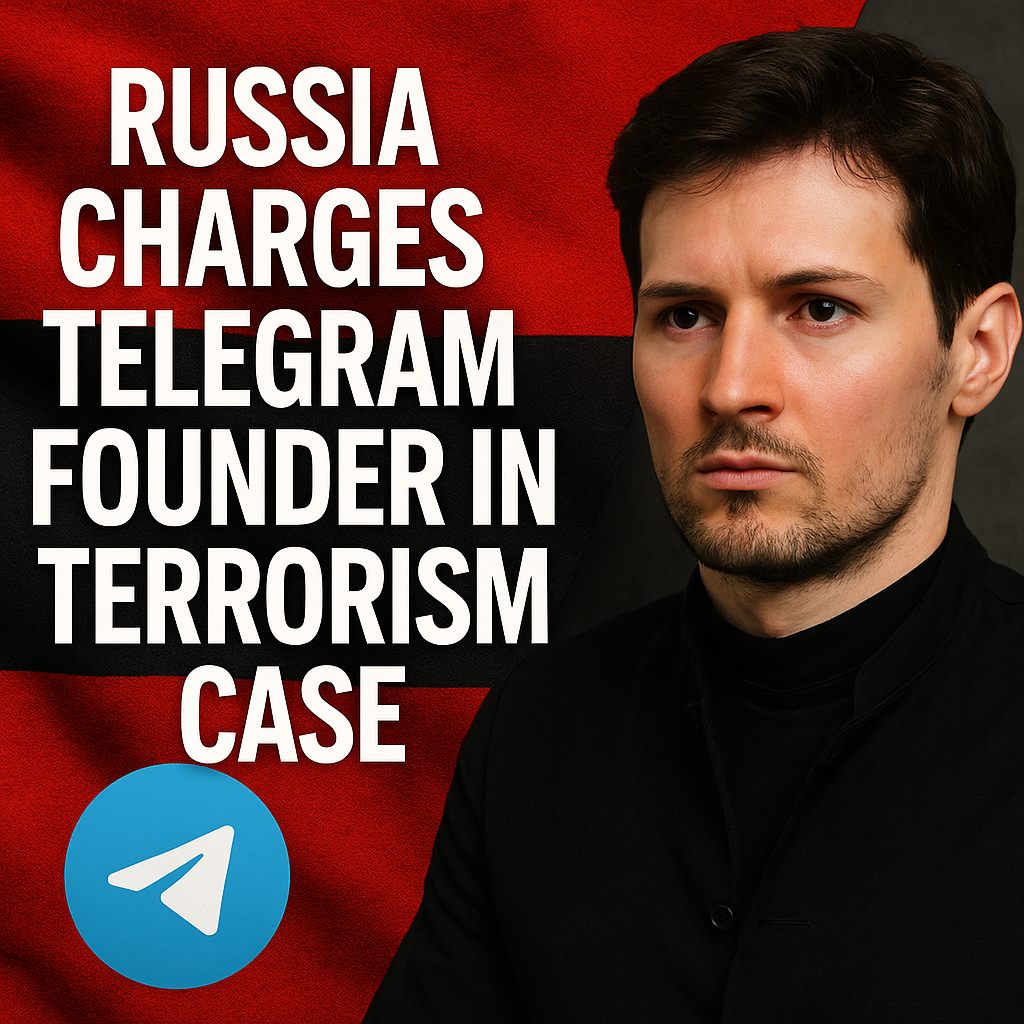
Russias shocking charges against Telegram founder Pavel Durov have sparked a heated global debate on freedom of expression versus state control, as he faces accusations of facilitating terrorism by resisting pressure to hand over user data. This case not only tests the limits of national security but also raises vital questions about the future of digital freedom in an increasingly monitored world.
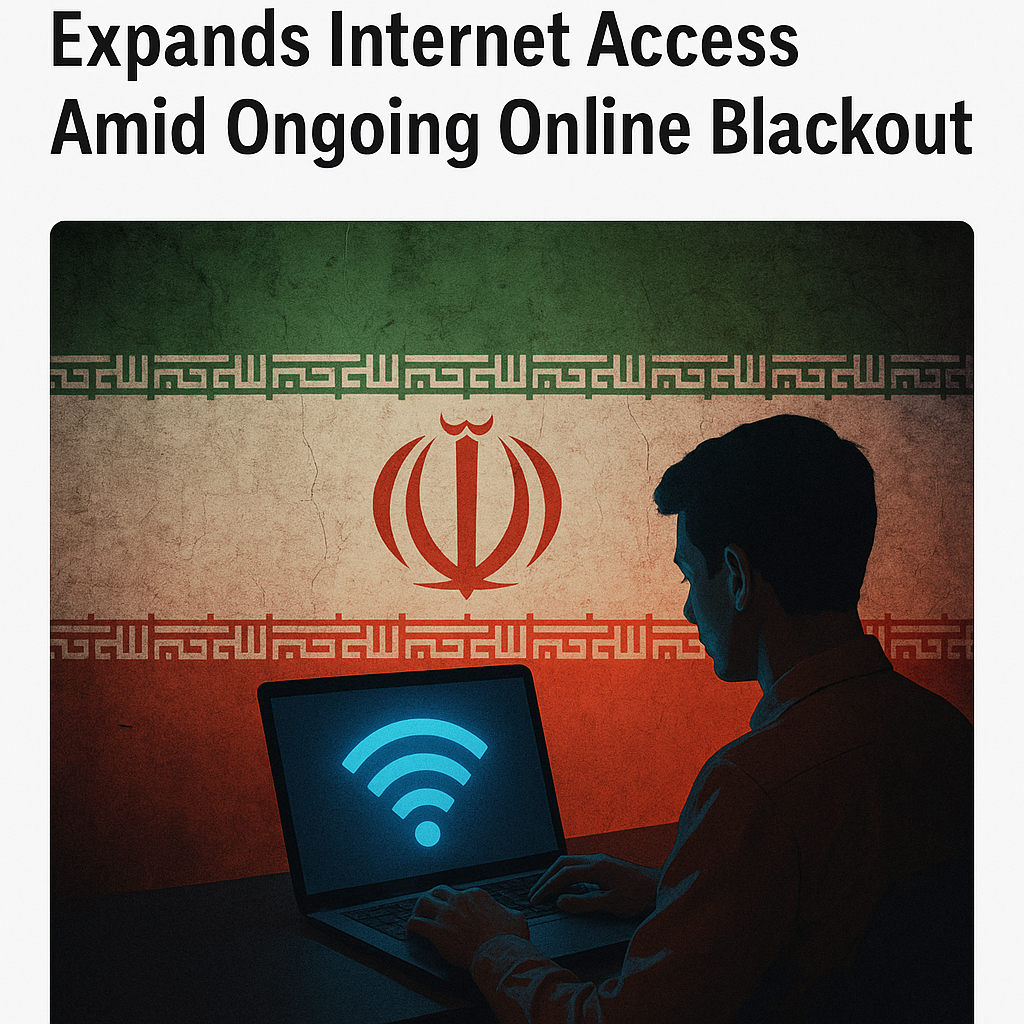
Iran is cautiously reopening its digital doors, offering limited internet access amid a harsh online blackout—just enough to spark hope for connectivity, yet still tightly controlled. While many welcome any glimmer of communication, the struggle for true freedom online continues.
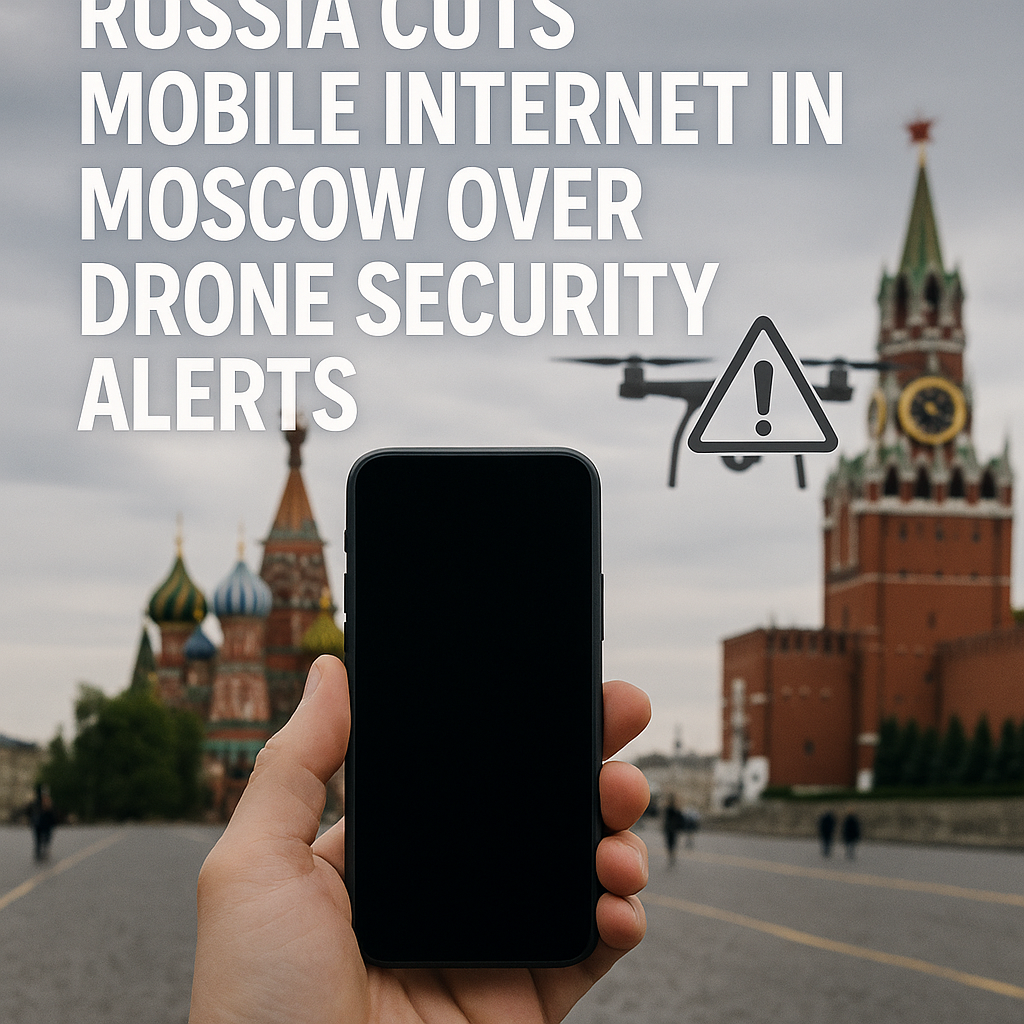
In a bold move amidst rising tensions, Russia has restricted mobile internet access in Moscow, aiming to bolster security against potential drone threats. As residents grapple with the implications for their freedoms, opinions are sharply divided—some value safety over connectivity, while others fear this could signal a troubling trend towards increased surveillance.