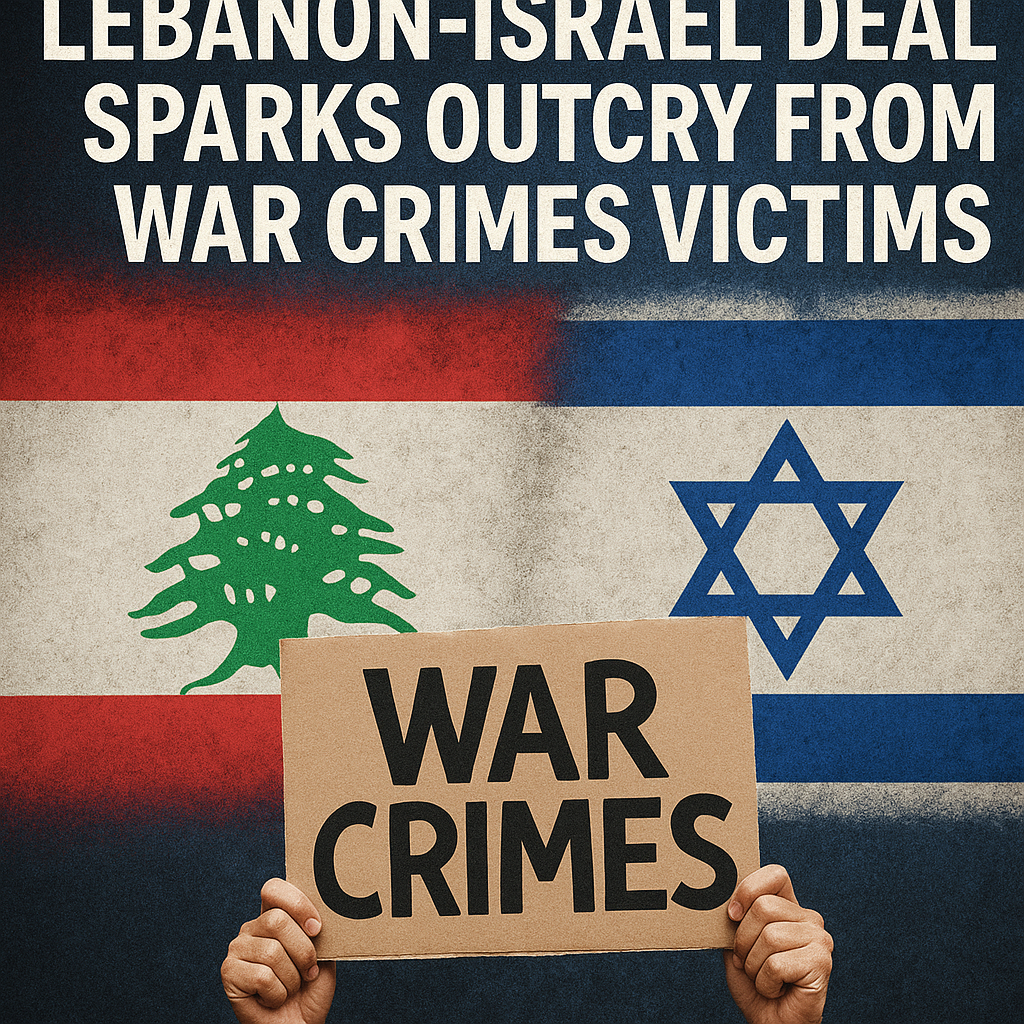
The recent Lebanon-Israel deal has sparked fierce backlash from war crimes victims, who feel their pain is being overshadowed by promises of economic gain. Critics say that while the agreement aims for stability, it fails to address the deep-rooted injustices and historical grievances that continue to haunt the region.
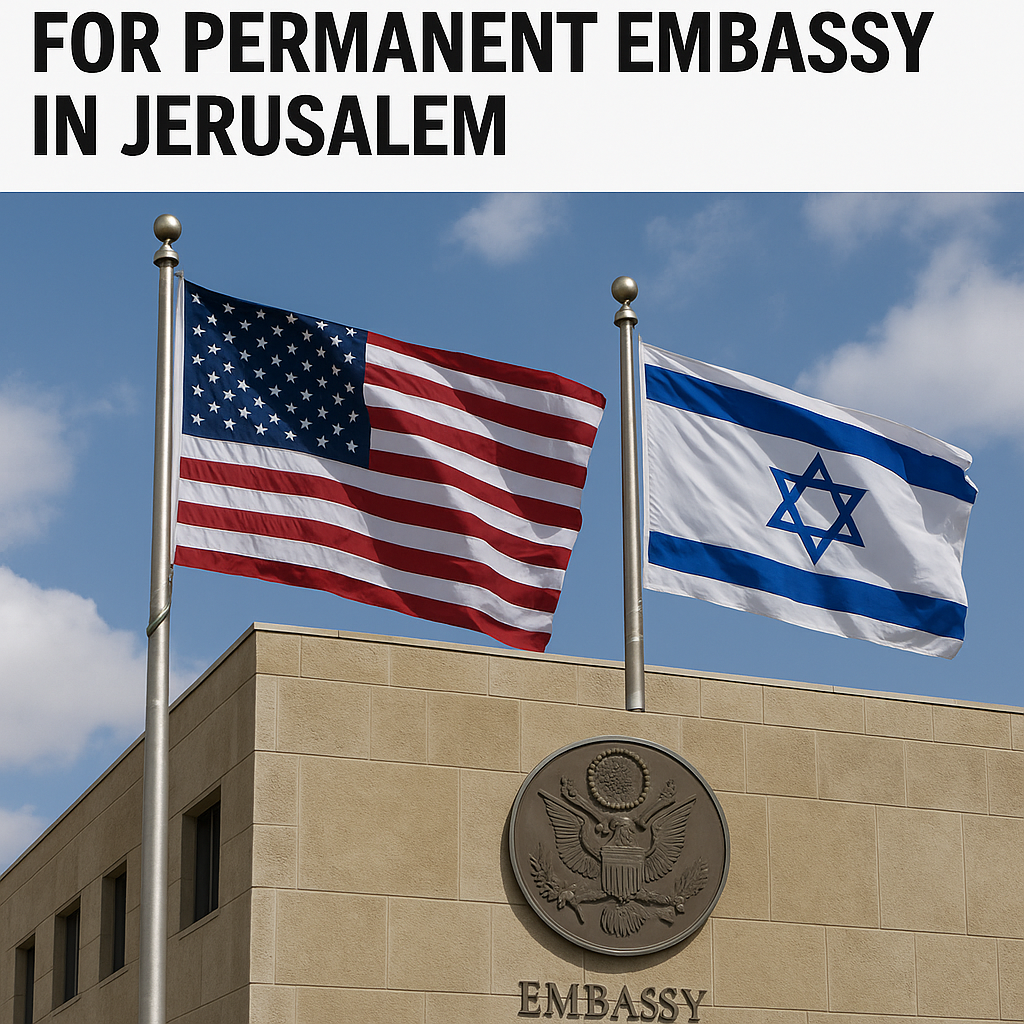
In a bold move, the U.S. has officially signed a lease for a permanent embassy in Jerusalem, deepening its commitment to Israel and sparking lively debates around its implications for peace and stability in the region. As supporters celebrate this step, critics raise concerns about its effects on the delicate balance of U.S.-Israel relations and the broader quest for peace.
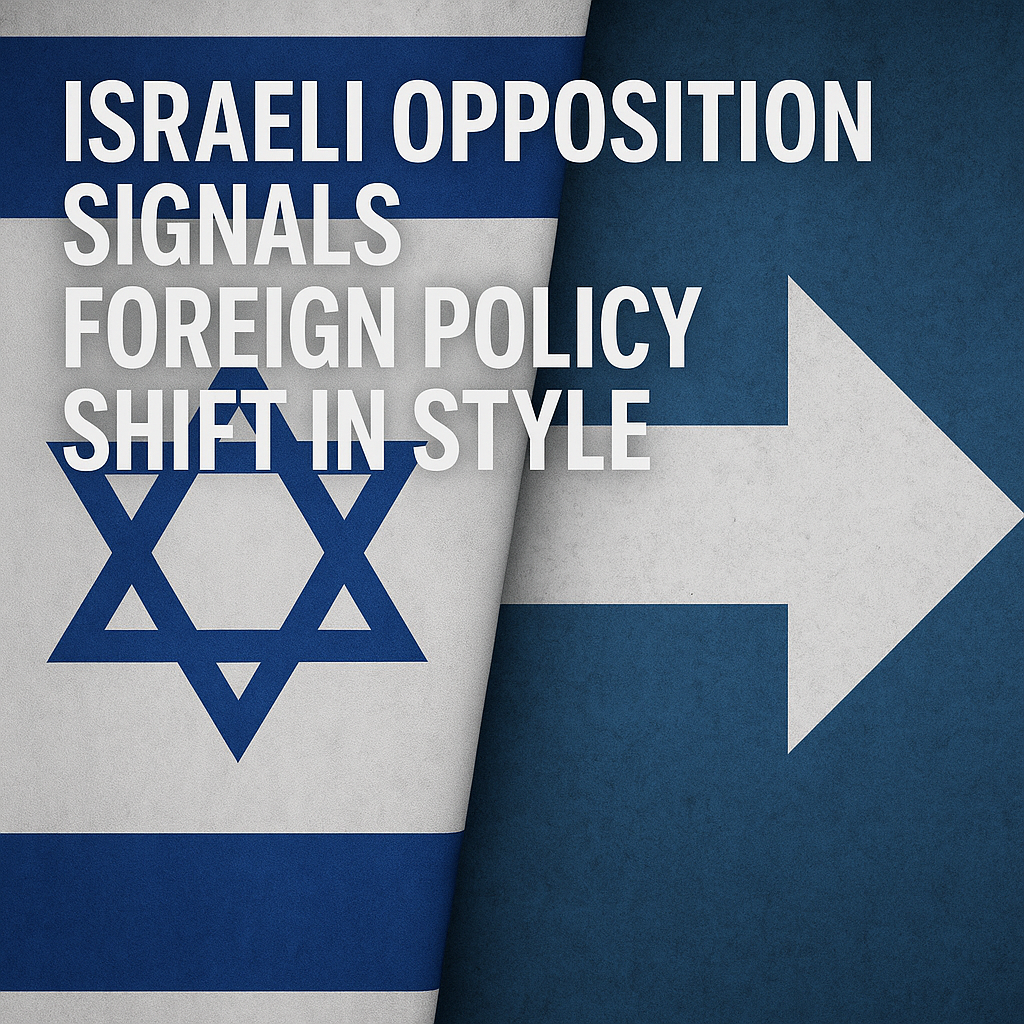
The Israeli opposition is shaking things up with a fresh approach to foreign policy, embracing a more diplomatic tone that could reshape international relations. As tensions rise, this new style aims to foster dialogue and unity, signaling a pivotal shift in the political landscape.
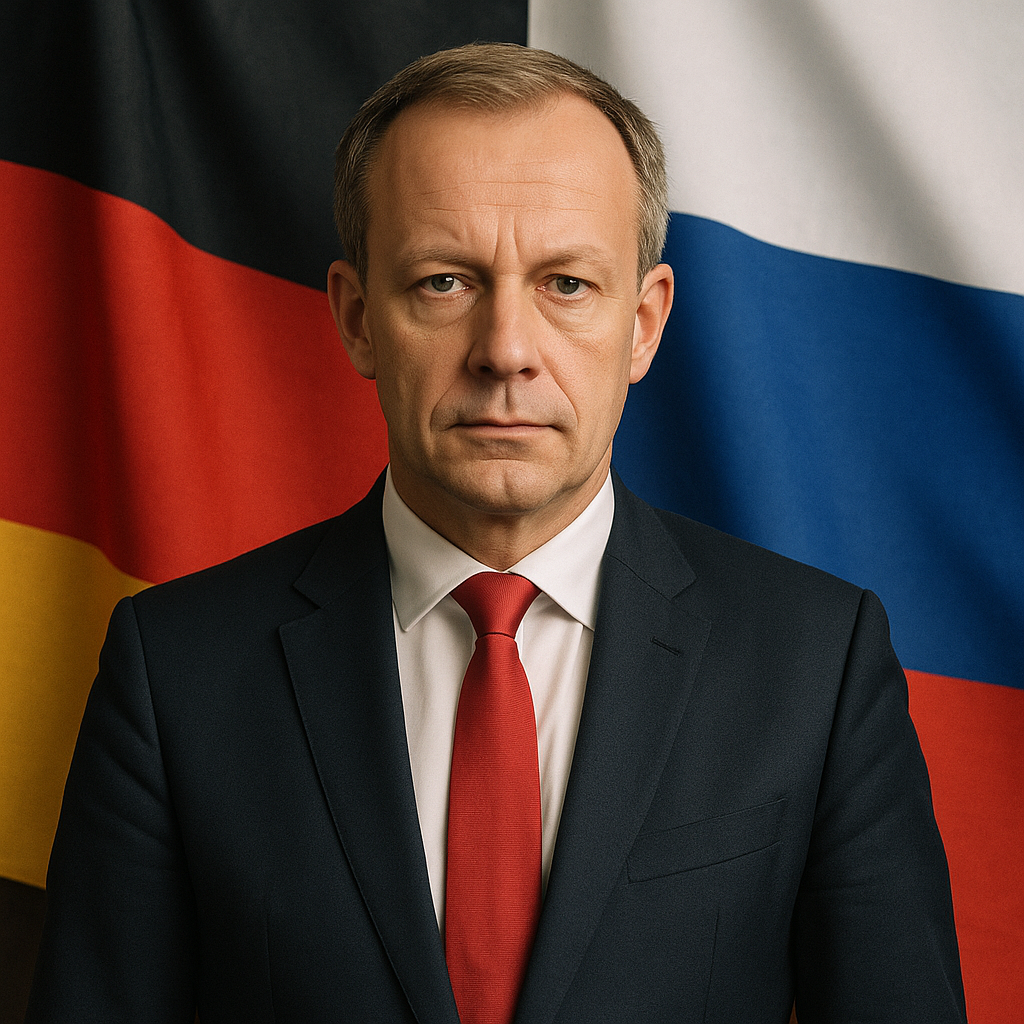
Germany’s Popular Party Leader is stirring up discussion by advocating for a fresh approach to ties with Russia, sparking both hope and doubt. As the nation grapples with energy challenges and the aftermath of the Ukraine crisis, the call for dialogue highlights a critical crossroads in Germany’s foreign policy.
Europes complex history with the Holocaust influences its stance on Israel, but as tensions rise, many are questioning whether guilt can truly justify ongoing injustices in the Israeli-Palestinian conflict. Dive into the evolving perspectives that challenge old narratives and call for accountability!
The recent framework agreement with Lebanon offers a fascinating glimpse into the heartbeat of Israeli society, revealing a tapestry of hopes for stability and economic opportunity woven alongside concerns over security and militant threats. Join us as we explore these diverse perspectives and what they mean for the regions future!
Key EU states are standing firm against a blanket travel ban on Russian veterans, highlighting the importance of compassion and engagement in these strained times. This ongoing debate showcases the delicate balance between upholding national security and recognizing individual experiences amid global tensions.
Hungarys recent blockade of Ukraines EU membership bid has stirred up a storm of debate, casting uncertainty on Ukraines aspirations for faster integration. As tensions rise, the move underscores the delicate balance of power and national interests within the EU—will Ukraine’s dream of joining the union be delayed, or can it rally support for a brighter future?
Ukrainian President Volodymyr Zelenskys decision to skip a vital recovery event in Poland amid a Nazi scandal has left many questioning the future of Ukraines diplomatic ties and post-war support. As the nation navigates this challenging moment, eyes are on Zelensky to see how he will reconcile history with progress.
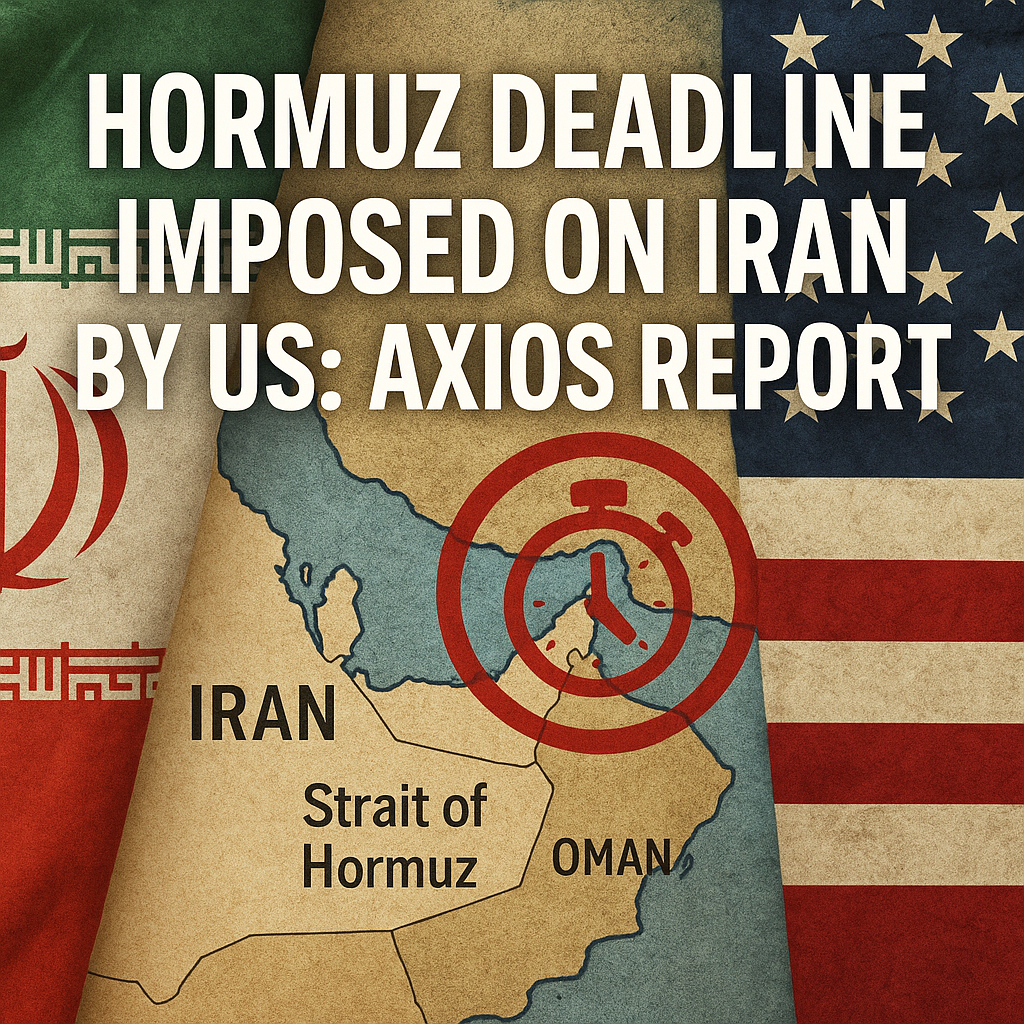
In a groundbreaking move, Iran has set up a direct hotline with the U.S. to navigate the crucial Strait of Hormuz, aiming to boost safety and cooperation in one of the worlds busiest shipping lanes. Will this communication bridge help reduce tensions, or is it just a temporary fix in a complex geopolitical landscape?